
Australia
Australia reflects on national tragedy 30 years ago, comparing it to Bondi shooting response
A national day of mourning has been eclipsed by political disputes that have been escalating since the tragic event occurred last month.
A national day of mourning had been planned for Thursday to pay tribute to the victims of the recent Bondi shootings.
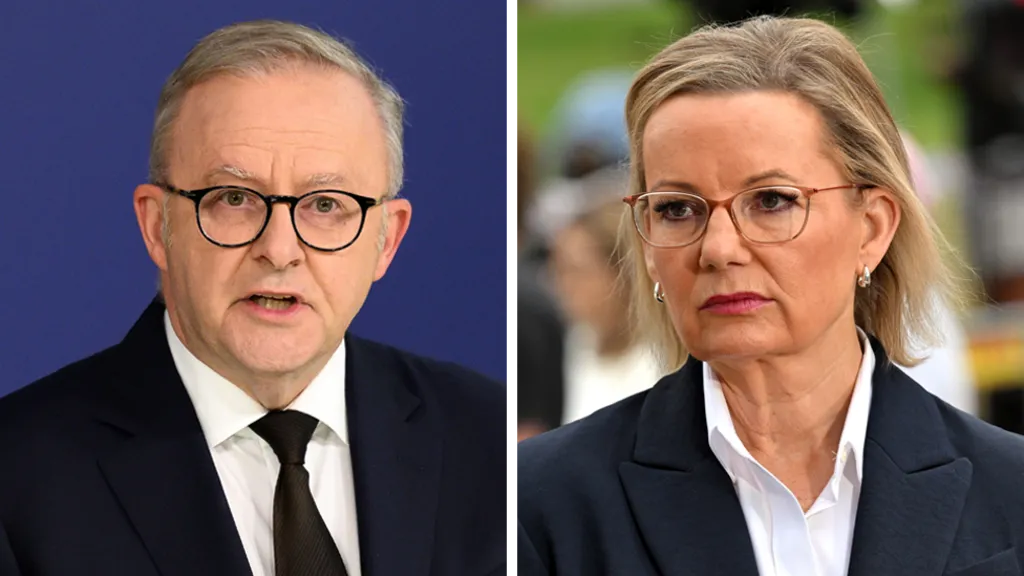
Families of those who lost their lives in the antisemitic attacks had hoped to use the day as an opportunity to pay their respects and promote unity and compassion in memory of their loved ones.
However, the day's focus shifted to a political crisis that led to the dissolution of the opposition coalition.
According to Malcolm Farr, a seasoned political analyst, the timing of the political upheaval was poorly chosen, saying in an interview with the BBC, "A 24-hour delay would not have been too much to ask."
Farr described the situation as "ill-timed" and suggested that it reflected a degree of self-interest, stating, "It's unfortunate, to say the least."
The aftermath of the tragedy has sparked a heated debate over reforms, which may ultimately lead to the downfall of two prominent leaders and jeopardize their parties' prospects in upcoming elections, marking a dismal month for Australian politics.
A devastating attack on a Hanukkah celebration at Bondi Beach, which resulted in the loss of 15 lives, including a child aged 10, prompted widespread outrage and immediate recriminations.
Kass Hill, a 52-year-old Bondi resident, expressed frustration over the rapid politicization of the incident, stating, "The way they turned it into a political issue was remarkable, but all the finger-pointing isn't achieving anything."
As grieving families awaited the opportunity to lay their loved ones to rest, numerous politicians, including the opposition leader, flocked to the scene, seeking to assign blame, while others used the occasion to voice anti-immigration sentiments, and notable business figures made appearances with floral tributes.
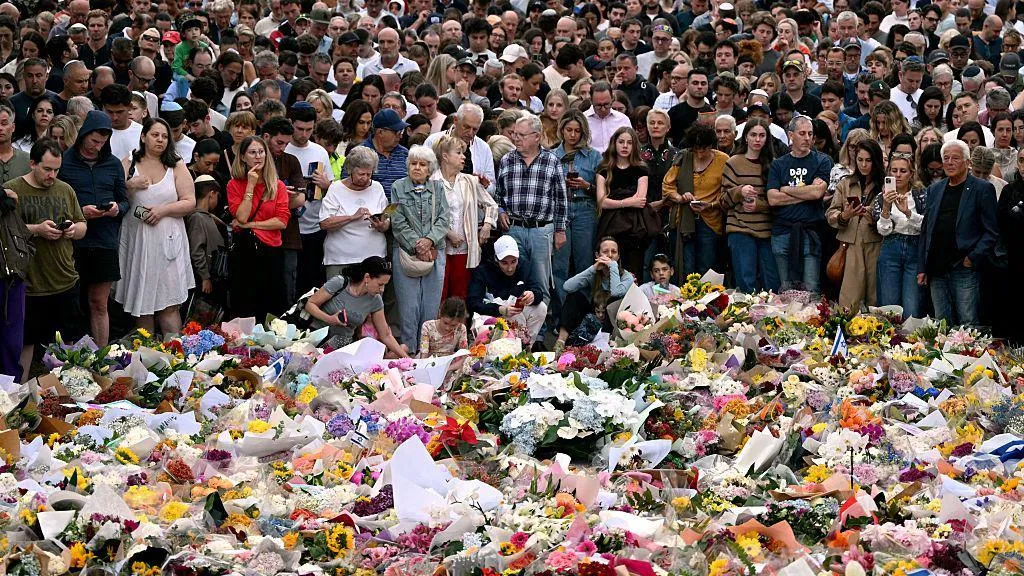
Prime Minister Anthony Albanese faced criticism from many in the Jewish Australian community, who felt their concerns were neglected prior to the attack, and in the subsequent weeks, he resisted calls from the community for a national investigation into antisemitism.
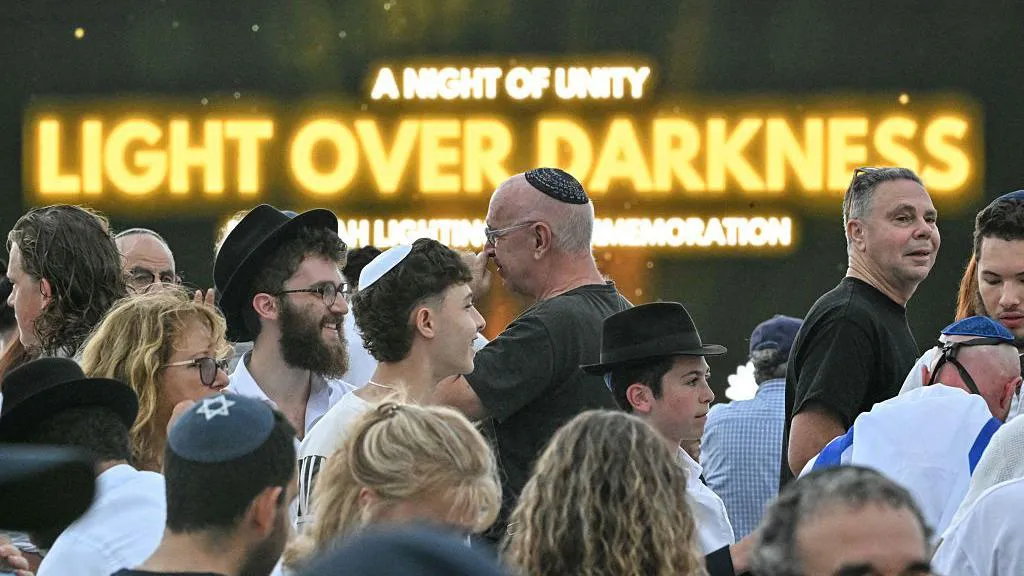
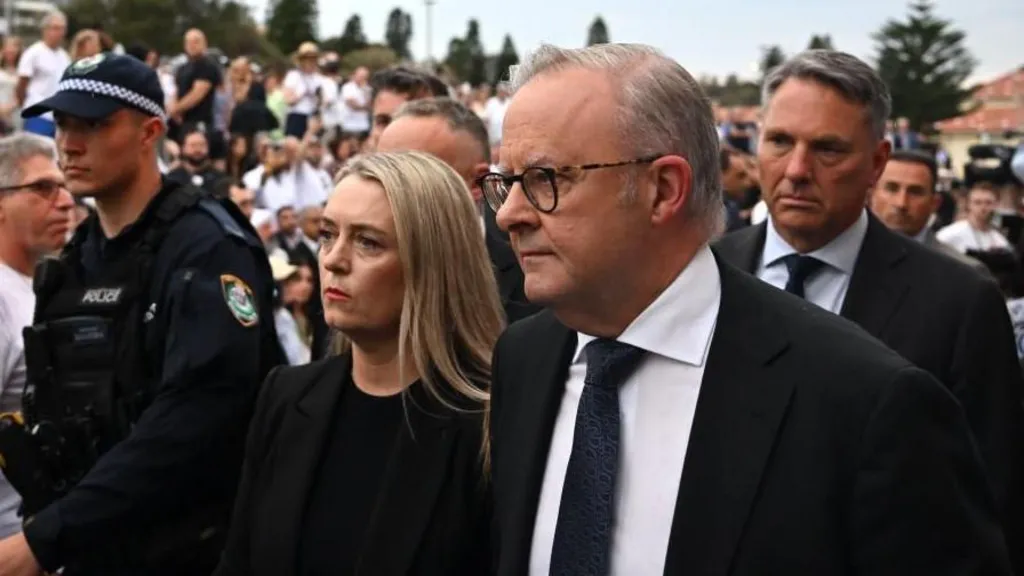
A memorial event turned hostile when he arrived, met with a chorus of boos and chants of "You're not welcome". A member of the crowd yelled, "You'd be better off in a jihadist nation where you belong". Meanwhile, a large screen overhead displayed the message "a night of unity", highlighting the stark contrast between the intended atmosphere and the reality on the ground.
Albanese has faced criticism for his response to the tragedy, with some accusing him of being overly defensive and slow to listen. In response, he has condemned his parliamentary opponents for politicising the tragedy, suggesting they are exploiting a sensitive situation for political gain.
The Bondi attack on 14 December resulted in one of Australia's worst mass shootings since the 1996 Port Arthur massacre, which claimed 35 lives. Despite the similarities in tragedy, the national responses to these events have been markedly different.
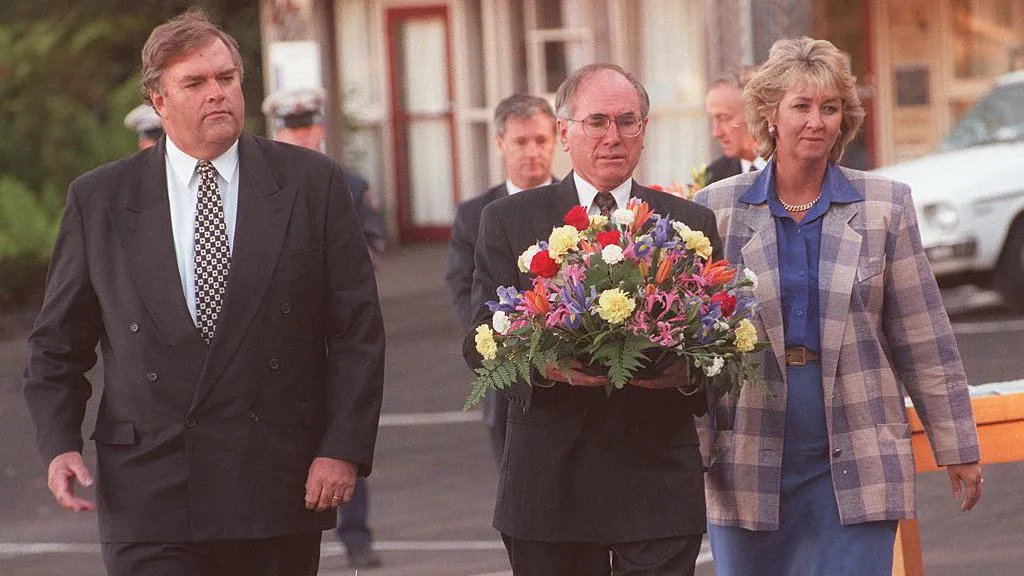
In the aftermath of the Port Arthur massacre, then-Prime Minister John Howard visited the site in Tasmania, where he laid wreaths alongside opposition leaders. This display of unity paved the way for bipartisan cooperation, leading to the passage of landmark firearms laws that established Australia as a global leader in gun control.
According to John Warhurst, an emeritus professor of political science at the Australian National University, the current state of Australian society and politics is vastly different from what it was 30 years ago. He notes that the country has become increasingly divided, reflecting a shift in the national landscape.
The recent attack has sparked division among Australians, with the ongoing debate about Israel, Gaza, and antisemitism being a key factor, notes Mark Kenny, a political columnist and host of the Democracy Sausage podcast.
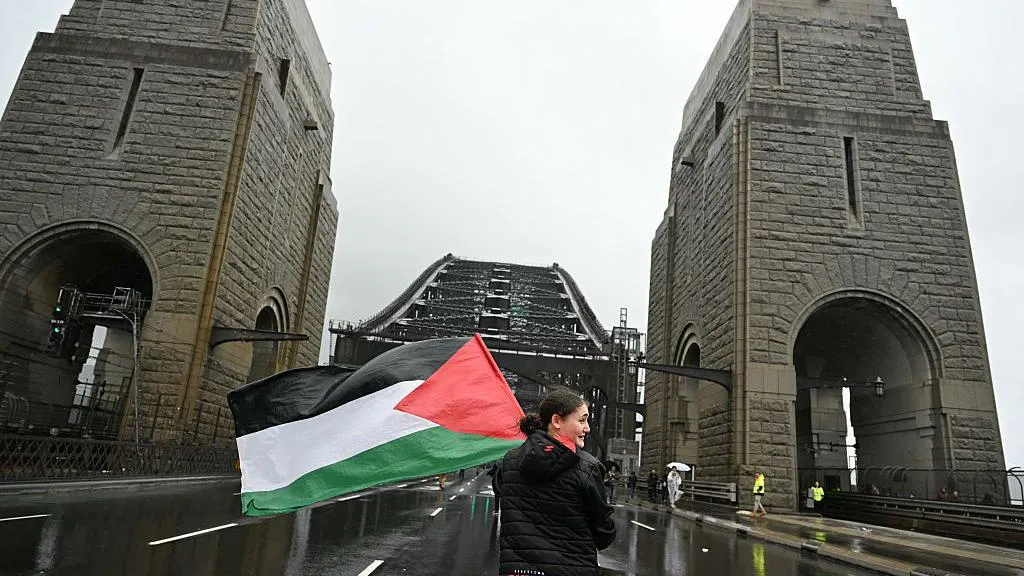
According to Kenny, the timing of the event has contributed to its politicization, as he explained to the BBC that it has become entangled in the existing controversy.
Following the 7 October 2023 attack by Hamas on Israel and subsequent protests against Israel's actions in Gaza, Australian Prime Minister Albanese has faced criticism for not adequately addressing antisemitism, with the Executive Council of Australian Jewry reporting a significant rise in incidents, from 342 on average prior to the 2023 attacks to 1,654 last year.
Conversely, Albanese has also been criticized for not sufficiently condemning Israel's actions in Gaza, which some UN experts have described as genocide, a characterization that Israel disputes.
In the aftermath of the Bondi shooting, the antisemitism commissioner, appointed by Albanese, drew a connection between the incident and the pro-Palestinian demonstrations that have been held in Sydney, which Jewish leaders have actively opposed.
According to Jillian Segal, the incident commenced on 9 October 2023 at the Sydney Opera House and has since spread to Bondi Beach, resulting in loss of life.
Authorities have not established a connection between the alleged perpetrators and the pro-Palestinian movement, instead suggesting that the father-son duo was motivated by the ideology of Islamic State, with the younger individual having been monitored by intelligence agencies in 2019.
Following the Bondi Beach incident, gun reform legislation was prioritized, similar to the aftermath of the Port Arthur incident.
Prime Minister Albanese noted that one of the individuals involved in the attack held a firearm licence, despite residing in a suburban area of Sydney, and possessed six guns, prompting him to introduce a series of changes aimed at addressing gun ownership regulations, stating, "There is no justification for someone in that situation to have that many firearms."
In contrast to the widespread support for gun control measures after the Port Arthur incident, Albanese's efforts to reform gun laws were met with criticism from the Liberal opposition and some members of the Jewish community, who argued that the focus on gun laws was a diversion from the perceived root cause of the attack, namely antisemitism, with former Prime Minister Howard also weighing in to suggest that the reforms were an attempt to shift attention away from the issue.
According to Kenny, the current state of politics in the West is characterized by a tendency to frame issues in binary terms, leading to increased polarization and divisiveness.
Kenny notes that a pervasive distrust has taken hold, prompting people to view the motivations of political leaders with skepticism, assuming they are insincere.
A recent incident in Adelaide, where a Palestinian-Australian author was disinvited from a festival due to concerns over "sensitivities" related to past statements, highlights the heightened tensions of the current climate, Kenny observes.
In the aftermath of a recent attack, there were widespread calls for swift action to address antisemitism, and Albanese subsequently announced a plan to crack down on hate speech, with support from the antisemitism commissioner.
The proposed measures have drawn criticism from some quarters, with concerns that they may infringe upon freedom of speech, including the right to criticize Israel, and limit the right to protest, while others argue that they do not adequately protect other minority groups.
According to Warhurst, the issue of balancing free speech and hate speech is complex, with no straightforward solution having been found to date, making it a challenging and contentious topic.
Warhurst believes that the current time is not ideal for addressing these issues, given the rapid pace and emotionally charged atmosphere in which they are being discussed.
The Jewish community supported the introduction of hate speech laws, but some individuals, including family members of the victims, felt that more needed to be done, and they urged Albanese to establish a royal commission, the most comprehensive form of independent investigation in Australia.
Albanese initially maintained that the measures already in place were sufficient and that a royal commission would be inappropriate, as it could potentially provide a platform for antisemitic views, thereby exacerbating the problem.
Albanese also noted that royal commissions had not been convened in response to other significant tragedies, such as the one in Port Arthur, but this argument did not persuade those advocating for an inquiry, and the promised reviews of intelligence agencies and law enforcement did not alleviate their concerns.
A letter-writing campaign, prominently featured on the front pages of conservative newspapers, echoed the public's concerns. According to Warhurst, certain media outlets, including News Limited, played a significant role in amplifying the issue.
Albanese faced significant challenges in arguing against a royal commission, notes Kenny, and his initial stance ultimately proved unsuccessful. The decision to reverse course on the matter had significant implications for his position.
Analysts have proposed that Albanese's initial hesitation may have stemmed from concerns that a royal commission could become mired in complexity and controversy. The inquiry might have focused on the Gaza conflict, potentially overshadowing the issue of Islamophobia, which saw a 740% surge in reported incidents by early January, as recorded by The Islamophobia Register Australia.
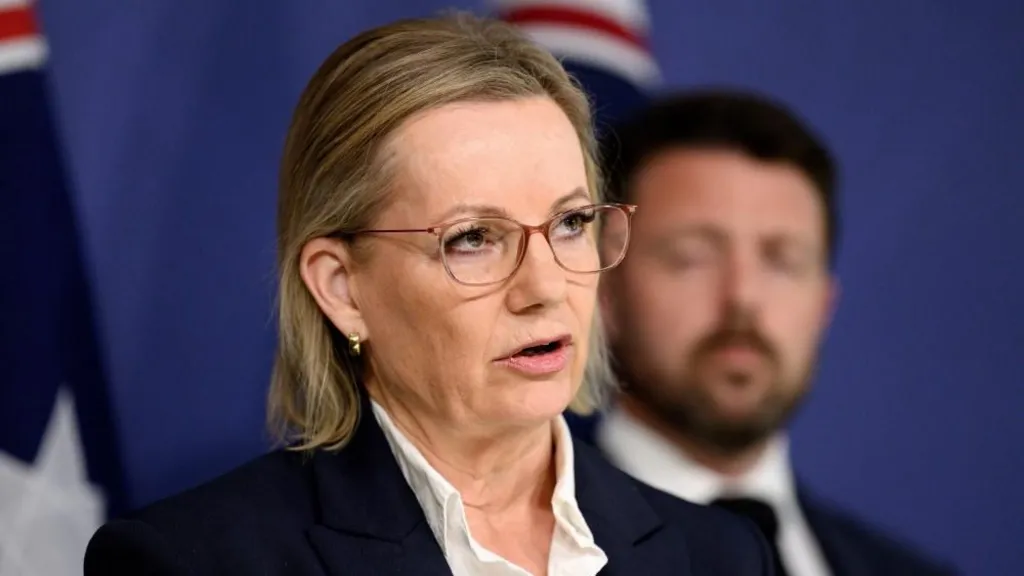
Farr suggests that Albanese may have also been motivated by a desire to resist opposition pressure, as opposition leader Sussan Ley had repeatedly called for a royal commission, questioning what Albanese was "hiding" and later capitalizing on his change of heart.
Prior to the December attack, Ley had been struggling to gain traction against the government and establish control within her own party. Some commentators had even speculated about her potential removal from leadership in the weeks leading up to the shooting.
According to Kenny, the Bondi attacks presented a chance for her to build a robust case against the government.
However, her progress from the royal commission was halted this week when she was unable to unite her Coalition in support of the hate speech laws she had been advocating for Albanese to enact swiftly.
By Thursday, which marked the national day of mourning for the Bondi attacks, the situation had deteriorated.
The National Party withdrew from the coalition, citing insufficient time to review the proposed legislation, which they believed could potentially infringe upon free speech, despite their initial calls for expedited action.
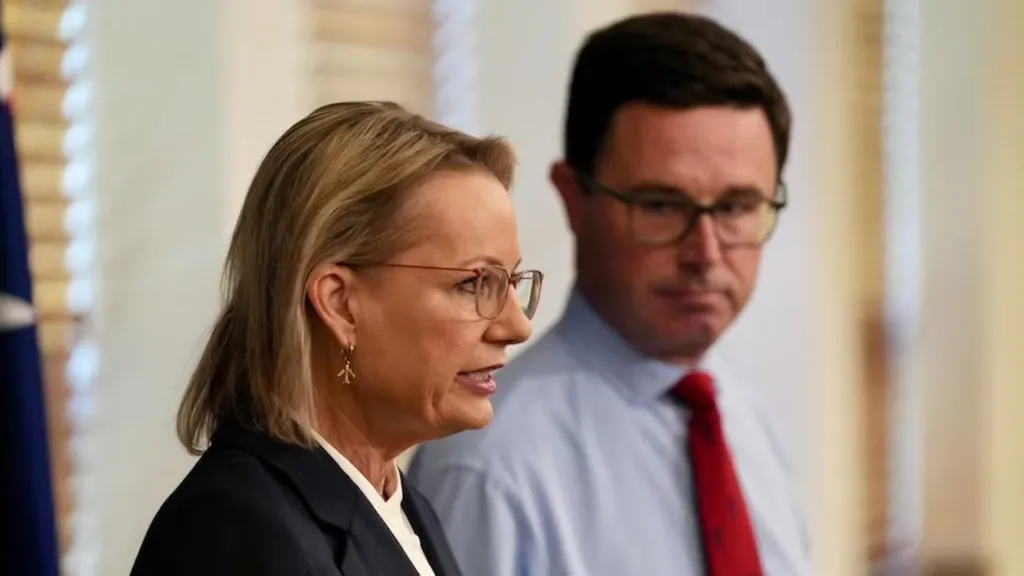
As he departed, Nationals leader David Littleproud indicated that his party's potential return to the coalition was contingent upon Ley's removal, further destabilizing her already precarious leadership position.
According to Farr, some individuals are preparing themselves for a potential vacancy, with preparations underway to present themselves as viable candidates.
Littleproud's ultimatum may backfire, potentially costing him his position, as there are indications that the Liberals may not accept him as a leader in a future coalition government.
The stability of Australia's political landscape appears to be uncertain, with all politicians potentially facing challenges.
A recent poll has revealed a decline in public approval for the major parties, with Albanese's net approval rating dropping to minus 11, down from zero in November, while Ley's rating remained relatively unchanged at minus 28.
Farr notes that the public is likely to be aware of the disconnect between politicians' calls for unity and their actual actions, and the latest display of political infighting on Thursday is unlikely to boost the popularity of any party.
This development is likely to perpetuate the skepticism many Australians already harbor towards politicians, regardless of their party affiliation, and bolster the perception that elected officials prioritize their own interests over the well-being of the nation.
Asia
Emergency call recording reveals boy’s heroic swim to save family
A 13-year-old boy, Austin Appelbee, took action to secure assistance for his mother and siblings when they were pulled out into the ocean.
An audio recording has been made public by authorities, capturing a distress call made by a 13-year-old Australian boy who swam for an extended period to seek assistance for his family after they were caught in a strong current at sea in early February.
During the call, the boy, identified as Austin Appelbee, informs emergency services that his brother, Beau, 12, sister, Grace, eight, and their mother remain in the water, awaiting rescue.
Austin expresses concern for his family's well-being, stating that he is unsure of their current condition, which is causing him significant distress.
The teenager also reports feeling severely exhausted, a result of his prolonged and physically demanding effort to reach shore and call for help.
Following the call, Austin lost consciousness and was hospitalized, where he later received news that his mother, brother, and sister had been rescued approximately 14 kilometers offshore and were in good health.
Asia
Australian opposition leader faces pressure after key staff member quits
The departure of a high-ranking colleague has created an opportunity for a potential challenge to Sussan Ley, who holds the distinction of being the first female leader of the Liberal party.
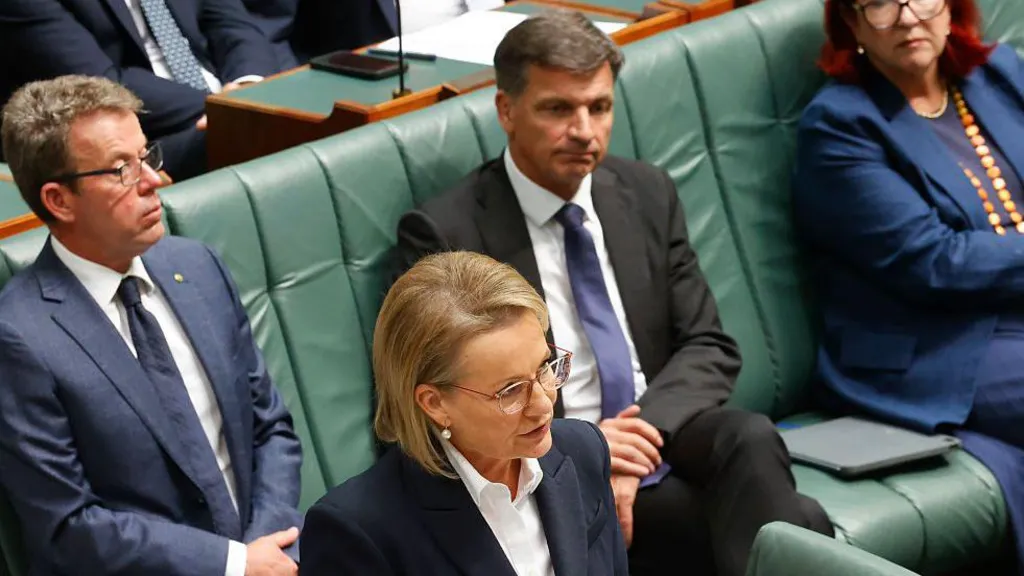
Sussan Ley, the first female leader of the Liberal Party, is facing renewed scrutiny following the departure of Angus Taylor, her shadow defence minister, from the party's leadership team.
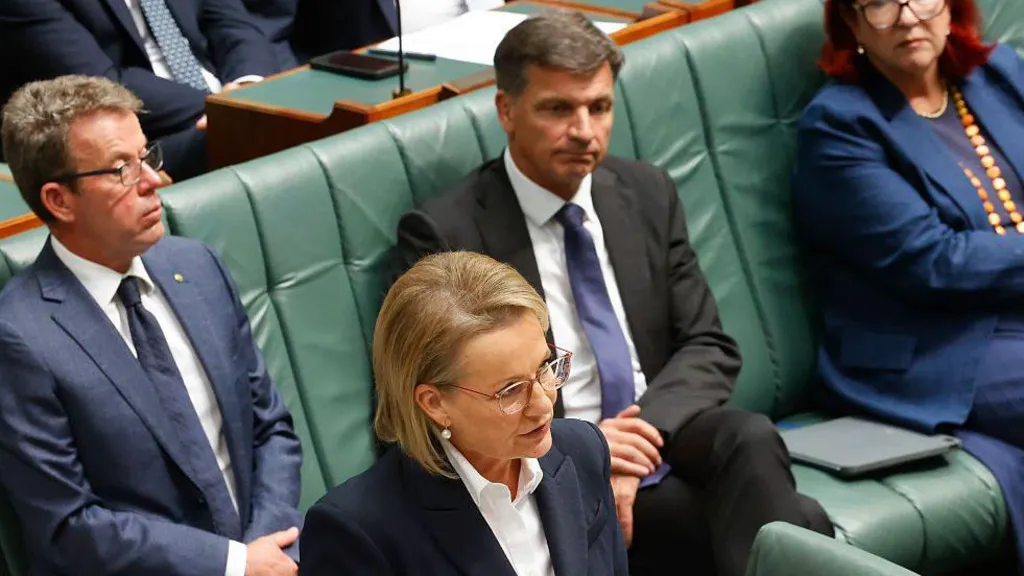
Taylor's resignation is expected to pave the way for a potential challenge to Ley's leadership, with local media outlets suggesting he has been quietly working to unseat her for some time.
Ley's tenure has been marked by struggles, including a narrow victory over Taylor in a leadership contest last year, which was held in the aftermath of the party's worst-ever electoral performance.
The Liberal-National coalition, a partnership that dates back to the 1940s, has experienced significant instability under Ley's leadership, having split and reunited twice during her tenure.
On Wednesday, Taylor, a member of the party's conservative faction, announced his resignation from the leadership team, citing his commitment to continuing to serve the Liberal Party.
In a statement to reporters, Taylor expressed his disappointment with the party's inability to hold the current Labor government accountable, emphasizing the need to protect Australians' way of life and restore their standard of living.
Taylor stated that he does not believe Ley is capable of leading the party effectively, citing the need for a change in leadership.
It remains to be seen whether Taylor's allies within the shadow cabinet will follow his lead and resign from their positions.
Local media reports suggest that Taylor's supporters are planning to request a special party meeting to consider a spill motion, which would allow the party to reconsider its leadership.
If Taylor were to succeed in his bid for leadership, it would bring an end to the ongoing speculation surrounding Ley's tenure, which has been marred by uncertainty.
The coalition's most recent split, which occurred in January, was followed by a reunification just days ago, after a dispute over hate speech laws, which Ley had supported in the wake of the Bondi Beach attack in December.
At the time of the initial split, Nationals leader David Littleproud explicitly stated that his party could not continue to serve in a shadow cabinet under Ley's leadership.
Recent polling data has shown the One Nation party, which secured 6% of the national vote in the previous election, surpassing the Coalition to take second place behind Labor, while Ley's personal approval ratings remain low.
The coalition has yet to reach a consensus on the factors that contributed to its decisive election loss to Labor, which saw the Liberals suffer significant losses in major cities.
In the aftermath of the election, the coalition briefly split over disagreements on climate and energy policy, including its commitment to achieving net-zero emissions by 2050, a policy that the Liberals later abandoned under pressure from the Nationals and their own right-wing faction.
The Nationals, which have a strong presence in rural areas and tend to lean more conservative than the Liberals, have been pushed further to the right in response to the surge in support for the One Nation party, according to political analysts, who note that this shift may hinder the Liberals' ability to appeal to centrist voters in urban areas.
Asia
Australian author guilty of creating child abuse material
In the author’s novel, which falls under the erotic genre, the main character is 18 years old and engages in role-playing as a young child.
A court in Australia has convicted an author of producing child sex abuse material, which was presented in the form of a romance novel featuring an age-gap relationship.
During the trial in a New South Wales court, it was revealed that the novel revolves around the story of Lucy, an 18-year-old, and Arthur, a 45-year-old friend of her father, including descriptions of Arthur's desires that originated when Lucy was a minor, as well as scenes where Lucy pretends to be a young child.
Lauren Mastrosa, who works in marketing for a Christian charity, faced charges after her book generated widespread outrage on the internet, but she maintained in court that the protagonist, Lucy, is explicitly portrayed as an adult throughout the story.
Magistrate Bree Chisholm delivered a verdict on Tuesday, stating that the novel's content constitutes the sexual objectification of children, thus rejecting Mastrosa's defense.
Prior to the complaint filed with the police, Lauren Mastrosa, 34, had shared an advance copy of the novel, whose title has not been disclosed by the BBC, with 21 readers in March of the previous year, prompting a subsequent investigation into its contents.
After reviewing the book, published under the pseudonym Tori Woods, Chisholm concluded that a typical reader would likely find the content to be unquestionably objectionable.
The novel, whose cover features a pastel pink background and title spelled out in alphabet blocks reminiscent of children's toys, portrays its protagonist exhibiting immature behavior, dressing in childish attire, and communicating in a simplistic manner.
According to Chisholm, the occasional mentions of the character's age as 18 were not enough to counteract the overall impression that the character is a minor.
As reported by the Australian Associated Press, Chisholm noted that the book's descriptive language and character portrayals, which evoke the image of a young child, are used in sections where sexual activity is described.
Chisholm stated that the narrative ultimately creates a disturbing visual impression in the reader's mind, suggesting an adult male engaging in sexual activity with a minor.
Mastrosa has been convicted of three offenses: creating, possessing, and distributing child abuse material, and is scheduled to appear in court for sentencing on April 28.
Following Mastrosa's charges, BaptistCare informed the Daily Telegraph that she had been removed from her position temporarily, pending the outcome of an investigation.
-
 News7 hours ago
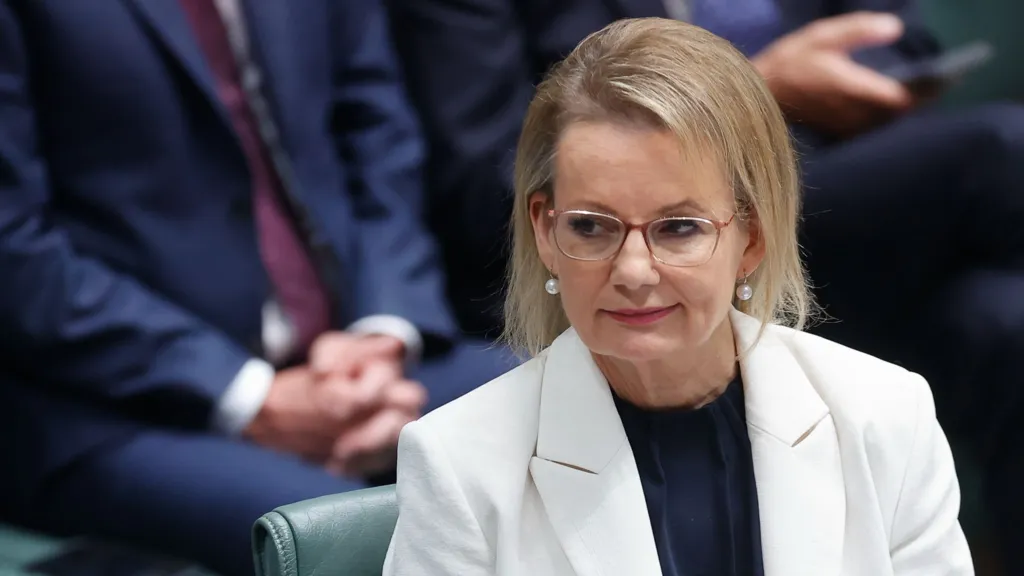
Australian Politics Faces Questions Over Gender Equality Amid Sussan Ley’s Appointment
-
 News4 hours ago
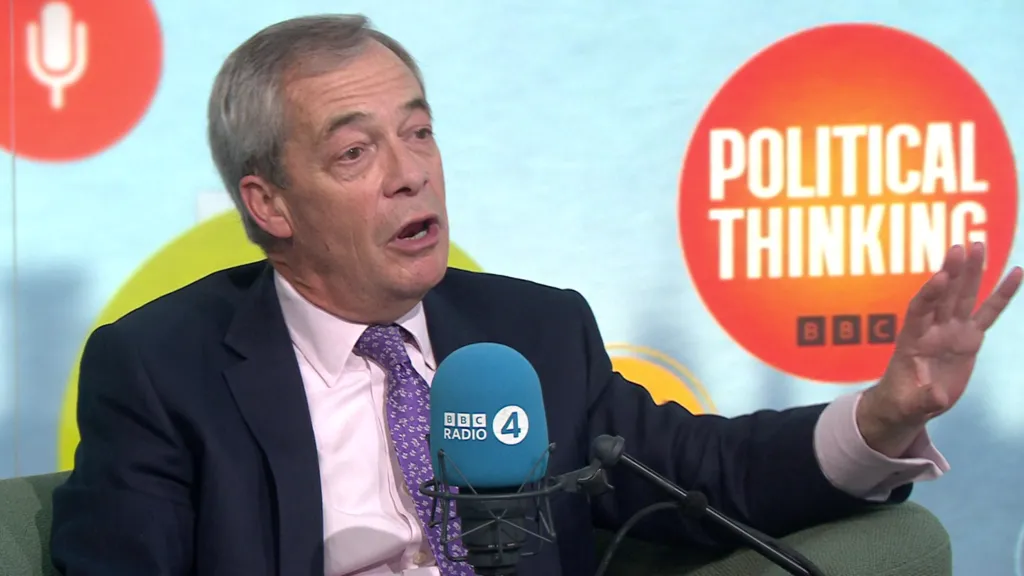
Farage Says Reform to Replace Traditional Tory Party
-
 News4 hours ago
Wrexham Pair Seek Win Against Former Team Ipswich
-
 News9 hours ago
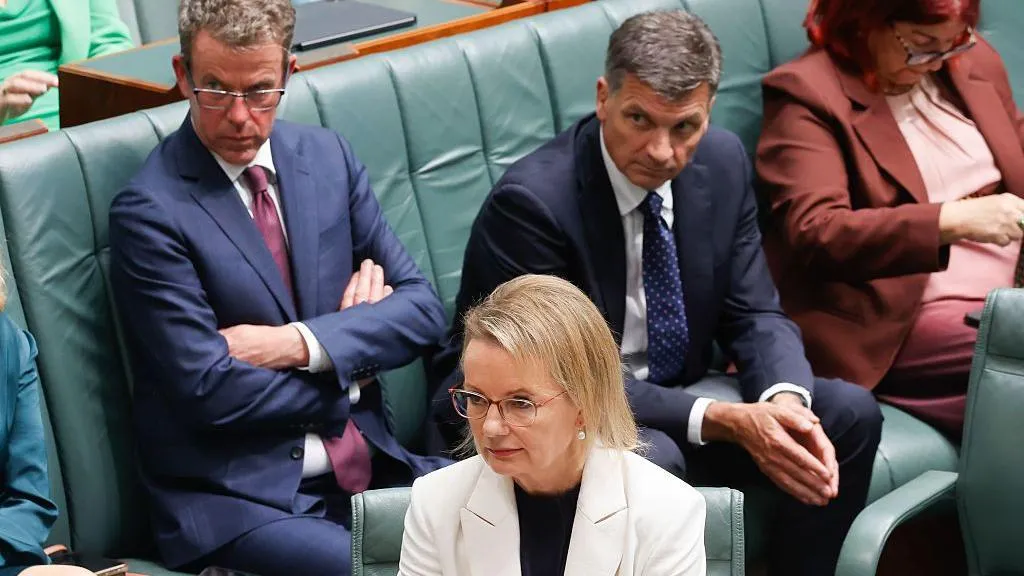
Liberal Party Removes Australia’s First Female Leader
-
 News7 hours ago
UK Braces for Cold Snap with Snow and Ice Alerts Expected
-
 News4 hours ago
Husband’s alleged £600k theft for sex and antiques blamed on drug side effects
-
 Business10 hours ago
BBC Reporter Exposed to Cyber Attack Due to Vulnerabilities in AI Coding Tool
-
 News7 hours ago
Canadian Town Unites in Mourning After Mass Shooting Leaves Community Reeling