
World
Canadian mining company confirms abducted workers found dead in Mexico
According to Vizsla Silver Corp, relatives of certain abducted employees have notified the company that the bodies of their family members have been discovered.
A Canadian mining firm has reported that several of its employees, who were kidnapped from a project location in Mexico last month, have been discovered deceased.

On 23 January, a group of 10 workers from Vizsla Silver Corp, a company based in Vancouver, went missing after being taken from a mine near Concordia, Mexico.
According to Vizsla Silver Corp, family members of some of the abducted workers have informed the company that the bodies of their loved ones have been found.
The company is currently awaiting official confirmation from Mexican authorities and will release additional information as it becomes available.
In a statement, Vizsla Silver Corp president and CEO Michael Konnert expressed his distress over the incident, stating that the company is deeply saddened by the loss of life.
Following the incident, Konnert expressed sympathy for the families who lost loved ones and emphasized the ongoing efforts to locate those still unaccounted for, stating that the primary concern is their safe recovery.
A family member, who wished to remain anonymous, shared with CBC News that they had identified the body of a relative, a 43-year-old male, on Sunday.
According to the family member, the deceased, José Manuel Castañeda Hernández, was employed as a geologist at the time of his death.
In an interview with CBC, Jaime Castañeda, the brother of José Manuel Castañeda Hernández, described the experience as extremely distressing, saying, "Being here is very difficult, it's not where we want to be," and later added, "The situation is unjust."
News
Husband’s alleged £600k theft for sex and antiques blamed on drug side effects
A family has reportedly suffered severe repercussions from the side effects of a widely used Parkinson’s disease medication, according to the BBC.
A phone call at the start of her workday drastically altered Frances' life, setting off a chain of events that would have far-reaching consequences.
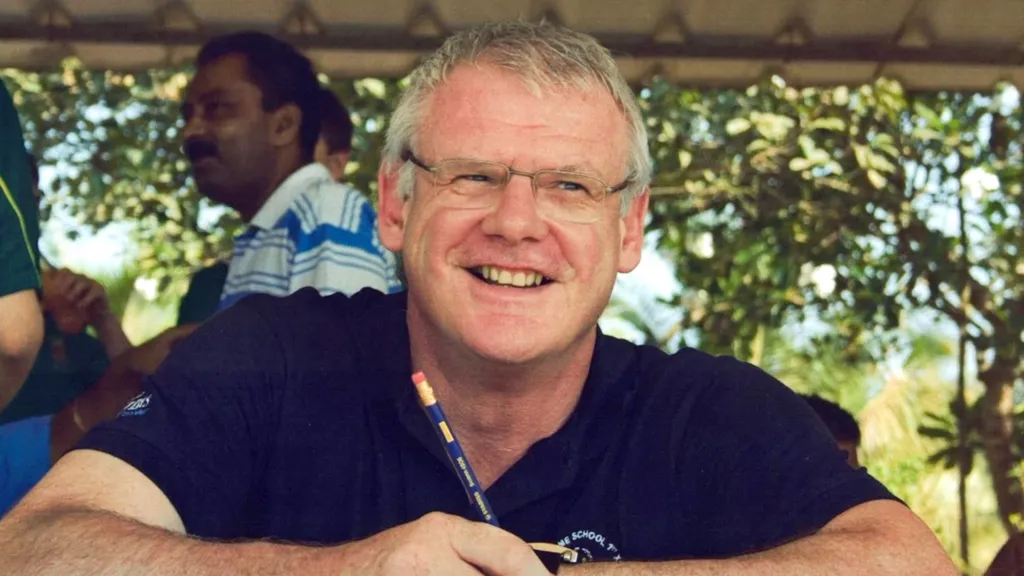
The news that her husband, Andrew, a solicitor, had been taken into custody by police on allegations of defrauding clients sent shockwaves through their family, which included their two children.
The scene at Andrew's office, located in a village south of Manchester, resembled a crime scene from a television drama, with yellow tape cordoning off the area, staff members in a state of distress, and records being carefully packed away.
An investigation by police uncovered that Andrew had misappropriated hundreds of thousands of pounds from his clients, many of whom were elderly individuals with dementia, and had used the funds for adult webcam sites, sex workers, and antique purchases.
This incident occurred 12 years ago.
In the subsequent court proceedings, it was revealed that Andrew's impulsive behavior was linked to the medication he was taking for Parkinson's disease.
Thirteen of Andrew's clients were affected by his actions, with all but two being over the age of 80, and some suffering from poor health; collectively, they lost £600,000.
One of the victims, an 87-year-old woman residing in a care home, passed away shortly after the incident, and her estate lacked sufficient funds to cover her funeral expenses.
Reflecting on the experience, Frances expressed that people distanced themselves from their family, which she understood, while their daughter, Alice, noted that her father never forgave himself for his actions.
The consequences of Andrew's behavior ultimately proved tragic.
Although Andrew's case is extreme, it is not an isolated incident.
Over the past year, numerous families have come forward to share their experiences of how impulsive behaviors, triggered by dopamine agonist drugs, have devastated their lives.
These behaviors include the development of new sexual urges, such as addictions to pornography and sex workers, as well as compulsive shopping and gambling, resulting in significant financial losses.
Dopamine agonist drugs are a well-established treatment for conditions like Parkinson's disease and Restless Legs Syndrome, with 1.5 million prescriptions issued by GPs in England in the past year alone.
NHS guidelines advise individuals taking these medications to consult their doctor if they have any concerns.
According to a 2010 study involving over 3,000 participants, one in six Parkinson's patients taking dopamine agonist drugs experience impulse control disorders.
In response to the investigation, the chair of the MPs' Health Select Committee described the findings as "devastating" and has written to the UK drugs regulator to request a review of official warnings.
Many of the individuals interviewed reported having no history of impulsive behavior before taking the medication and failed to recognize the connection between their actions and the drugs.
They alleged that doctors failed to provide adequate warnings or monitor the effects of the medication.
The weekend following Andrew's arrest, he attempted to maintain a brave facade for his family, but he collapsed at home and was taken to the emergency room.
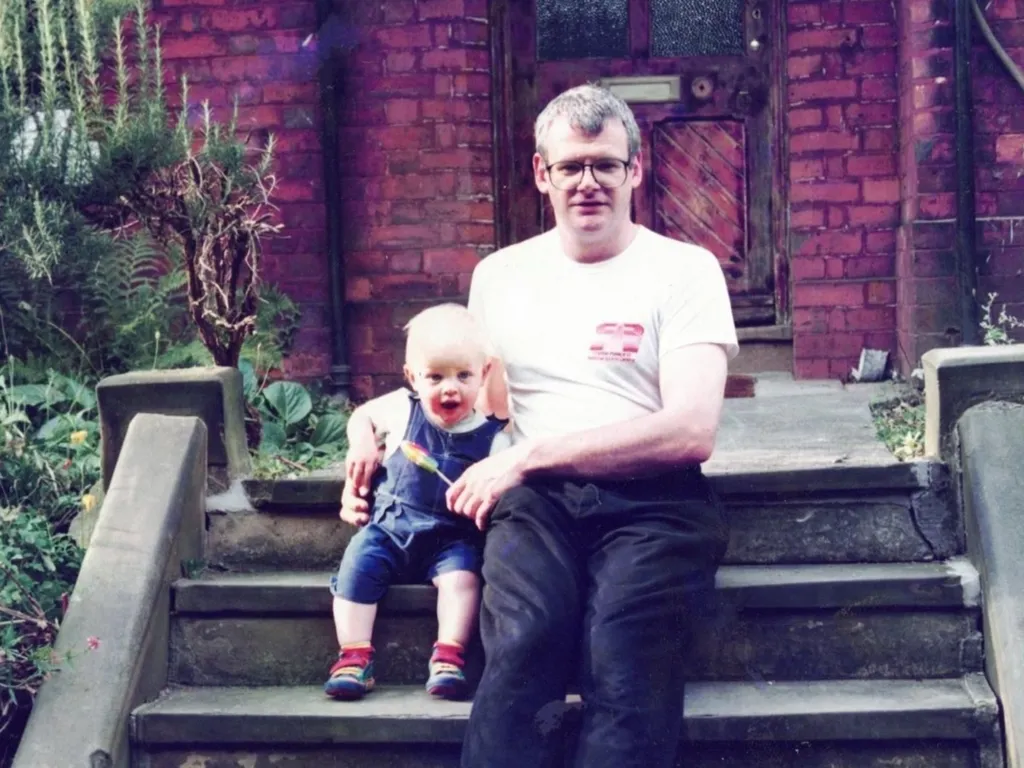
Andrew had been diagnosed with Parkinson's disease a few years prior, and when his symptoms worsened, he was prescribed Pramipexole, which had a "miraculous" effect, according to Frances.
Pramipexole and similar drugs function by increasing dopamine activity, a chemical that regulates movement and drives feelings of reward and pleasure.
Andrew's Parkinson's tremor significantly decreased, and he was able to resume playing tennis, according to his family.
However, during his emergency room visit, a doctor inquired whether Frances was aware that Pramipexole could cause impulsive behaviors in some individuals.
Frances expressed that this revelation was a "terrible shock," as she had attended all of Andrew's appointments without being informed of this potential side effect.
The possible side effects of the medication, she stated, finally explained Andrew's compulsive shopping, although at that point, she was unaware of the full extent of his spending.
Prior to his diagnosis, Andrew had used webcam and sex-chat sites approximately once a week, but in the year following his prescription, he made nearly 500 payments to these sites.
He spent over £100,000 on a single website using his clients' funds and nearly £80,000 on sex workers in just four months; at the time of his arrest, his mobile phone contained the numbers of 90 different escorts.
Andrew, an avid history enthusiast, also developed a compulsion for buying antique pens, pottery, and cricket memorabilia, spending £85,000 on eBay in the six months leading up to the police raid.
According to Alice, her father became withdrawn and ashamed after his arrest, rarely leaving the house.
The family waited for over a year to hear from prosecutors, and ultimately, Andrew was charged with fraud.
Frances noted that their son, Harry, who struggled with mental health issues, found the aftermath of his father's arrest particularly challenging to cope with.
Harry's mental health deteriorated to the point where he was sectioned, and after returning home, he disappeared; his body was later discovered, and it was determined that he had taken his own life.
In 2015, Andrew pleaded guilty in court, and during sentencing, the judge stated that he had squandered his clients' money on "sexual excesses" and "absurd extravagances."
The judge believed that Andrew's behavior was caused by the medication but argued that, as a solicitor, he should have been able to recognize the effects of the drugs and sought help from his family, friends, or advisors.
Andrew was sentenced to four years in HM Prison Manchester.
During the investigation, all of Andrew's assets were frozen to recover some of the stolen funds.
The family was unable to pursue a clinical negligence case against Andrew's doctors due to legal rules that bar the recovery of damages related to serious criminal acts.

Frances and Andrew divorced while he was in prison, and upon his release, he moved into sheltered accommodation.
Two years after being jailed, Andrew was released from prison, marking a new chapter in his life.
Andrew's family reports that his time in prison, compounded by the Covid lockdowns, had a profound impact on him. After discontinuing his dopamine agonist medication, his Parkinson's symptoms worsened significantly.
According to Alice, Andrew's life was severely disrupted, with the Parkinson's diagnosis and medication playing a significant role in this deterioration.
In October 2020, Andrew took his own life, a tragic event that has had a lasting impact on those who knew him.
The UK's Yellow Card scheme, which tracks adverse drug reactions, does not include Andrew's death, nor that of his son Harry, in its public record.
The broader consequences of dopamine agonist drugs on families, including financial losses and other forms of collateral damage, are not accounted for in official records.
Many individuals affected by these drugs have found it challenging to seek justice due to the difficulties in pursuing class actions or clinical negligence cases in the UK.
It has been over two decades since the link between dopamine agonist drugs and impulsive behavior was first identified.
A BBC investigation revealed that GSK, the company that initially licensed these drugs for Parkinson's treatment in the UK, was aware of a connection between its medication and "deviant" sexual behavior as early as 2003.
Patient information leaflets were updated three years later to include warnings about increased libido and harmful behavior, but they do not provide information on the frequency of impulse control disorders.
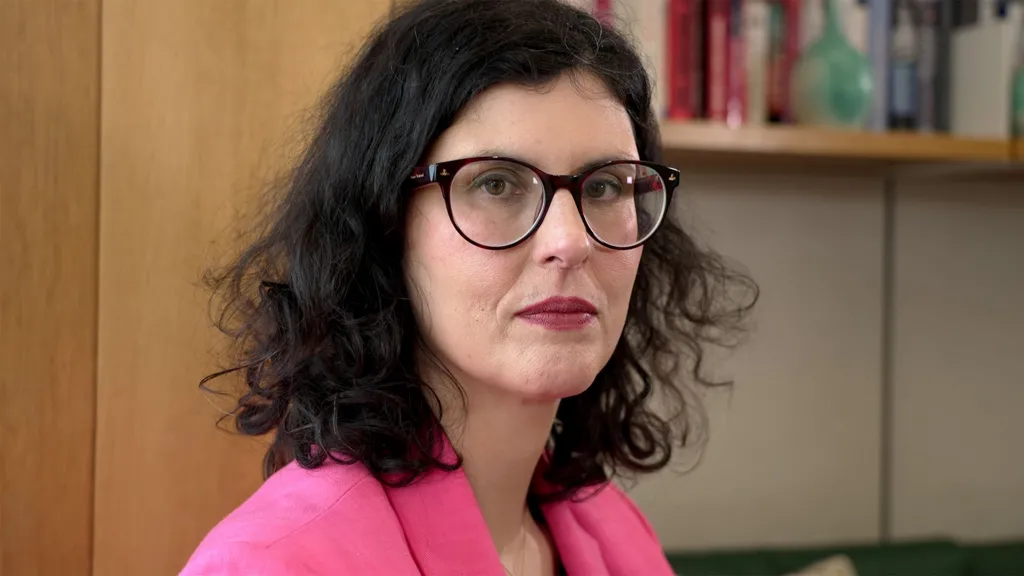
Layla Moran, chair of the MPs' Health Select Committee, is advocating for more detailed warnings that specify the types of behaviors associated with impulse control disorders and their frequency.
Moran emphasizes that the impact of these side effects extends beyond the individual, affecting families and communities and creating new challenges.
Moran argues that patients need clear information about the risks of impulsive behavior, including its likelihood and potential consequences, in order to make informed decisions.
The MHRA's Yellow Card scheme has been criticized by Moran for being inadequate for reporting sensitive side effects.
The government has expressed concern about the findings, acknowledging the seriousness of the issue.
However, the MHRA has stated that it does not plan to revise the warnings, citing the individualized nature of these behaviors.
The agency has previously noted that many cases of impulse control disorders go unreported, making it challenging to determine their frequency.
GSK has defended its drug, citing extensive clinical trials and regulatory approvals, and stating that it has shared safety concerns with regulators.
Boehringer Ingelheim, the manufacturer of Pramipexole, the drug prescribed to Andrew, declined to comment.
In 2017, NICE introduced guidelines requiring doctors to inform Parkinson's patients and their families about the risks of impulsive behaviors and to monitor their development regularly.
Despite these guidelines, some patients have reported that they were not adequately warned about the risks, and many continue to experience impulsive behaviors.
Alice and Frances have relocated to a new area, but the pain of their experiences remains a significant challenge for them.
Frances reflects on the devastating impact of her experiences, including the loss of her home, community, and son.
She struggles to find the words to express the depth of her emotional pain.
News
Farage Says Reform to Replace Traditional Tory Party
Farage expressed little astonishment that Conservative MPs were defecting to Reform, citing the latter’s greater dynamism.
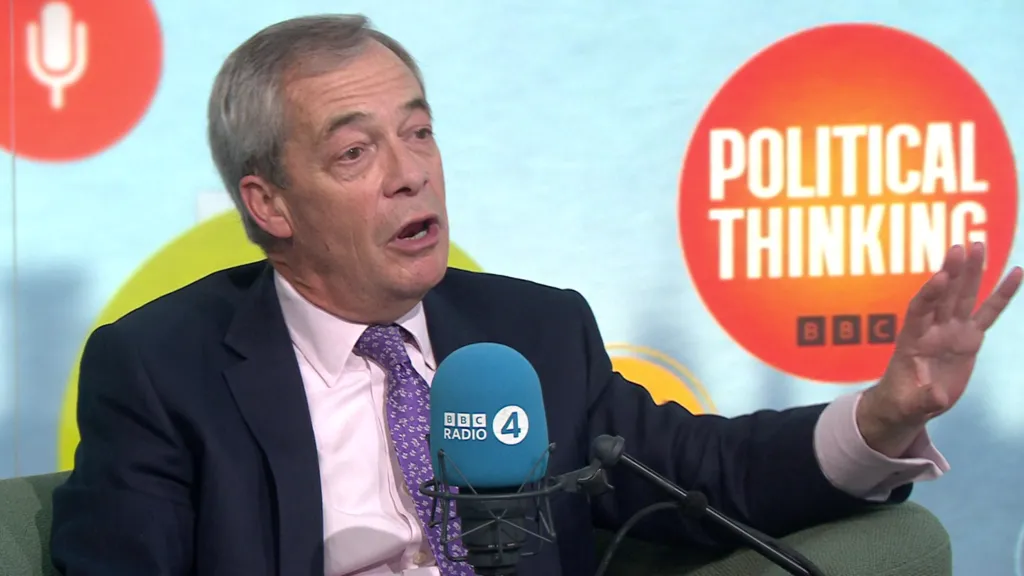
Nigel Farage, the leader of Reform UK, has stated that his party is poised to supplant the traditional Conservative party, which he characterizes as outdated.
In recent months, several high-profile Conservatives, including Suella Braverman, Robert Jenrick, Danny Kruger, and former chancellor Nadhim Zahawi, have defected to Reform UK.
Notably, Farage's party now boasts a greater number of former cabinet members from Liz Truss's administration than Kemi Badenoch's current shadow cabinet.
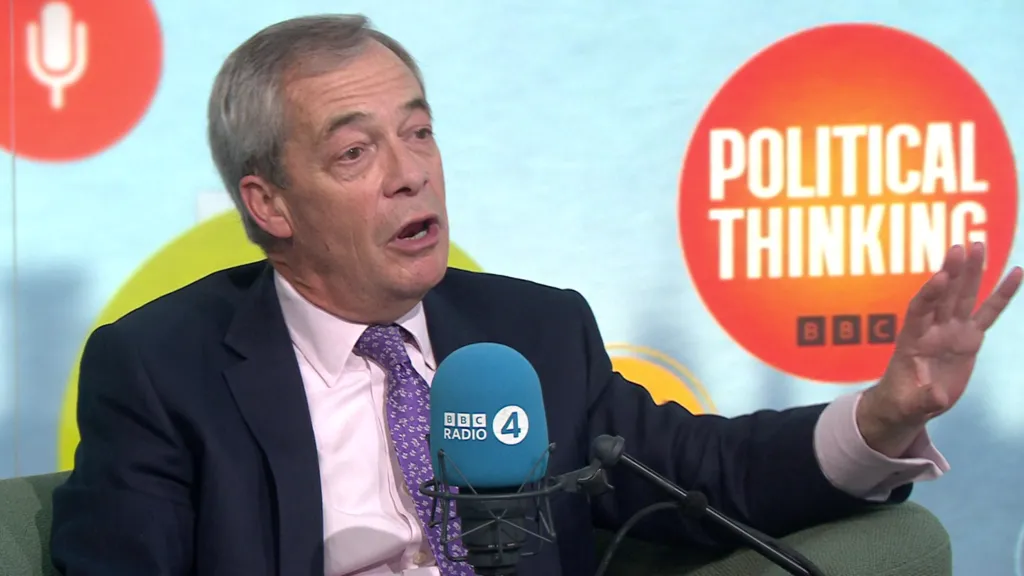
When questioned by Nick Robinson on Radio 4's Political Thinking, Farage downplayed the significance of Conservative MPs joining Reform UK, suggesting it was a natural consequence of the party's appeal.
Farage predicts that the upcoming Scottish, Welsh, and English council elections in May will mark a significant decline in support for the two major parties in British politics, ultimately leading to the demise of the Tories as a national force.
According to Farage, Reform UK represents a revitalized center-right movement, bringing a renewed sense of energy and passion to the political landscape.
Following Robert Jenrick's defection in mid-January, Farage hinted at an imminent defection from the Labour party, sparking speculation about potential new recruits.
One month later, Farage reiterated his expectation of multiple Labour defections to Reform UK, although he declined to provide a specific timeline.
He cautioned that such developments often unfold gradually, saying, "I haven't got a magic wand. Things don't always happen immediately, but it will happen."
The next key electoral test for Reform UK will be the Gorton and Denton by-election in Greater Manchester, scheduled for Thursday, 26 February, where Farage hopes his candidate, Matthew Goodwin, can secure the party's ninth parliamentary seat.
During the campaign, Goodwin sparked controversy by suggesting that some UK-born individuals from minority ethnic backgrounds may not necessarily identify as British, prompting questions about the definition of Britishness.
When asked to clarify his stance on the issue, Farage proposed that the true test of British identity lies in an individual's instinctive response to the question of their nationality.
According to Farage, one must instinctively identify as British to be considered part of the national community, saying, "You've got to instinctively respond 'I'm British' to be part of it."
Farage framed nationality as an extension of familial identity, emphasizing the importance of shared values and priorities.
He argued that Reform UK's vision of Britishness is inclusive, citing the party's performance in the 2024 general election, where it allegedly garnered more votes from the Black, Asian, and minority Ethnic community than the Liberal Democrats.
Farage attributed the erosion of British identity to a "Marxist… poisoning of the minds," criticizing the teaching of "twisted interpretations" of British history in schools and universities.
He expressed concern that some individuals in the UK have been indoctrinated to harbor negative feelings towards their country, saying, "I think the concern and the worry is there are a lot of people here who have been brought up to actually loathe the country."
Farage also expressed support for Manchester United co-owner Sir Jim Ratcliffe, who recently sparked controversy by suggesting that the UK had been "colonised by immigrants."
Although Sir Jim apologized for any offense caused by his remarks, which were criticized by the prime minister, Farage defended the sentiment behind the comment, saying it was "accurate and right" if one disregards the term "colonise."
Farage cited east London, where signs in foreign languages are common, as an example of how mass migration has led to the transformation of certain areas, making them "unrecognisable" and ultimately harming the country.
The Reform UK leader contended that Sir Jim's comments, though provocative, highlighted the need for an open debate on the impact of immigration.
A Labour spokesperson responded by highlighting the significant number of former Conservative MPs and councillors who have joined Reform UK, questioning the party's potential impact on public services.
The spokesperson argued that the presence of former Tories in Reform UK's ranks raises concerns about the party's intentions, saying, "You simply can't trust them" due to their past records.
The BBC has reached out to the Conservative party for comment on the developments.
A comprehensive list of candidates for the Gorton and Denton by-election can be found on the BBC's website.
To stay informed about the latest political developments, readers can sign up for the Politics Essential newsletter, which provides in-depth analysis and insights from across the UK, delivered directly to their inbox every weekday.

News
Hindu Man Gains Recognition for Defending Muslim
Deepak Kumar’s defiance against Hindu vigilantes has garnered widespread recognition as an exceptional display of bravery, but it has also led to him receiving threats to his life.
Mohammad Deepak is the name that has been making headlines in India, as a Hindu man who stood up for a Muslim shopkeeper.
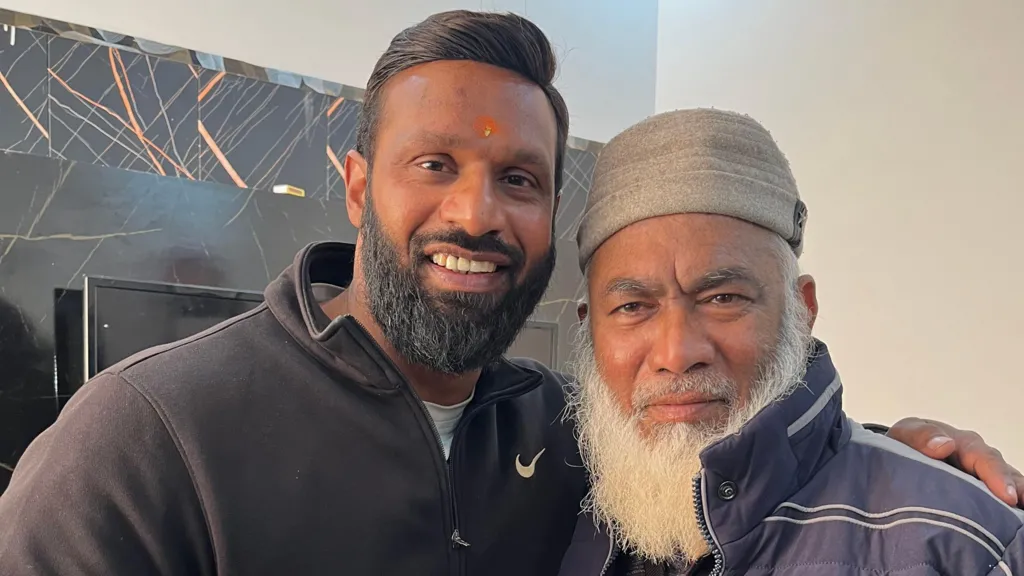
A series of events has catapulted Deepak to fame, earning him recognition as an unlikely hero in the country, after he confronted a group of activists from a hardline Hindu group.
Deepak has been hailed as a symbol of secular India and a representation of the country's pluralism, while also facing backlash, including protests and death threats, for his actions.
The incident that brought him to the forefront took place on January 26 in the town of Kotdwar, Uttarakhand, and was captured on video, which subsequently went viral.
The video footage shows Deepak, a 42-year-old gym owner, engaging with activists from Bajrang Dal, who were harassing Vakeel Ahmed, the owner of a clothing store.
According to Deepak, he was visiting a friend's shop when he witnessed the activists heckling Ahmed, telling him to remove the word "Baba" from his shop's name, "Baba School Dress and Matching Centre", which has been in operation for 30 years.
The term "Baba" is commonly used in India to refer to mystics, gurus, and elderly men, and is used by both Hindus and Muslims.
However, the Bajrang Dal activists insisted that the term "Baba" in Kotdwar could only refer to Siddhabali Baba, a local temple dedicated to the Hindu god Hanuman, and that a Muslim had no right to use it in his shop's name.
Ahmed's son can be heard requesting more time to comply with the demand, but the activists were adamant that it must be done soon.
Deepak intervened in the situation, drawn in by the commotion outside the shop, and later recounted the events to BBC Hindi.
In the video, Deepak can be heard asking, "Are Muslims not citizens of India?"
He described his actions as spontaneous, stating that he did not appreciate the way the young men were speaking to the elderly Ahmed, targeting him because of his religion.
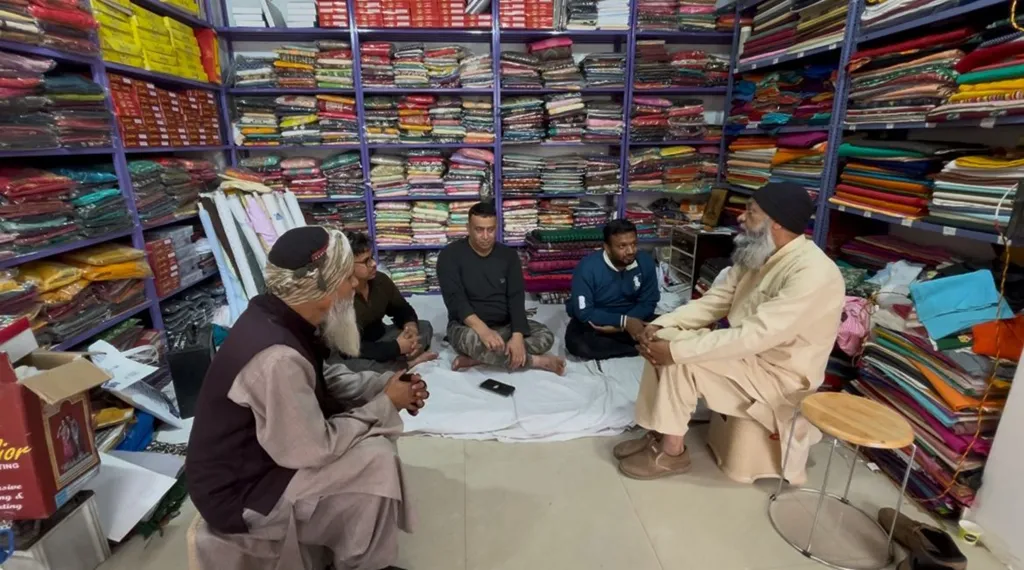
Ahmed, 68, expressed gratitude towards Deepak, saying that it is difficult to predict what might have happened if he had not intervened, as the activists could have escalated the situation.
After Deepak's intervention, the Bajrang Dal activists asked for his name, to which he responded by identifying himself as Mohammad Deepak.
By introducing himself with a combination of Hindu and Muslim names, Deepak aimed to convey that he is an Indian, and that everyone has the right to live in the country regardless of their faith.
The activists were taken aback by Deepak's response and left the scene, but a few days later, a large group of Bajrang Dal supporters gathered outside his gym to protest.
Following a complaint from Ahmed, the police registered a case against the unidentified individuals, and also filed a case against Deepak after receiving a complaint from two Hindu activists.
The incident and the subsequent police action have garnered significant attention in India, with many hailing Deepak's actions as a rare instance of courage in the face of rising attacks on Muslims by Hindu mobs.
Rahul Gandhi, a Congress party MP, has praised Deepak as a "hero of India" who is fighting for the constitution and humanity, and has called for more individuals like him to stand up against hate and intolerance.
An article in the Indian Express noted that the video of the incident has provided a sense of hope, highlighting Deepak's words as a powerful reminder of the importance of standing up against hatred and intolerance.
The article stated that Deepak's actions demonstrate the "real India", where individuals have the right to live and express themselves freely, without fear of persecution.
Many people have taken to social media to express solidarity with Deepak and commend him for his bravery, with his phone ringing non-stop and his social media following increasing significantly.
A video he posted on January 29 has garnered over five million likes, in which he says, "I am not a Hindu, I am not a Muslim, I am not a Sikh, I am not a Christian. First and foremost, I am a human being."
Deepak is still coming to terms with his newfound fame, stating that he never anticipated that his intervention would receive so much attention.

He said, "I simply did what I thought was right, without expecting it to become such a big issue, but now it's national news."
However, his actions have not been without consequence, as he has faced criticism and backlash from some quarters.
Deepak has received numerous death threats and abusive messages on social media, with one such threatening phone call being posted on X.
The caller can be heard saying, "Bajrang Dal shouldn't have spared you… I'll teach you a lesson soon."
Deepak's family has been left "traumatised" by the attention, and he is under significant mental pressure, while his gym, which was once thriving, is now largely deserted.
The number of people visiting his gym has decreased significantly, from over 150 to just 15, due to fear and intimidation.
Deepak said, "I used to have a lot of people coming to train here, but now they are afraid to come, and I'm facing financial difficulties as a result."
Opposition MP John Brittas, who visited Deepak, described him as a "beacon of hope" in the struggle against communalism and has taken a membership at his gym, which is now facing financial difficulties due to threats from communal elements.
As news of Deepak's financial struggles spread, people from across India have offered to buy gym memberships to support him, with one X post saying, "We can't let a good man lose."
Despite the challenges and threats he faces, Deepak remains resolute, stating that if he is confronted with a similar situation in the future, he will continue to stand up against what is wrong.
He said, "If we remain silent today, tomorrow our children will also learn the same silence," emphasizing the importance of speaking out against injustice and intolerance.
-
 News7 hours ago
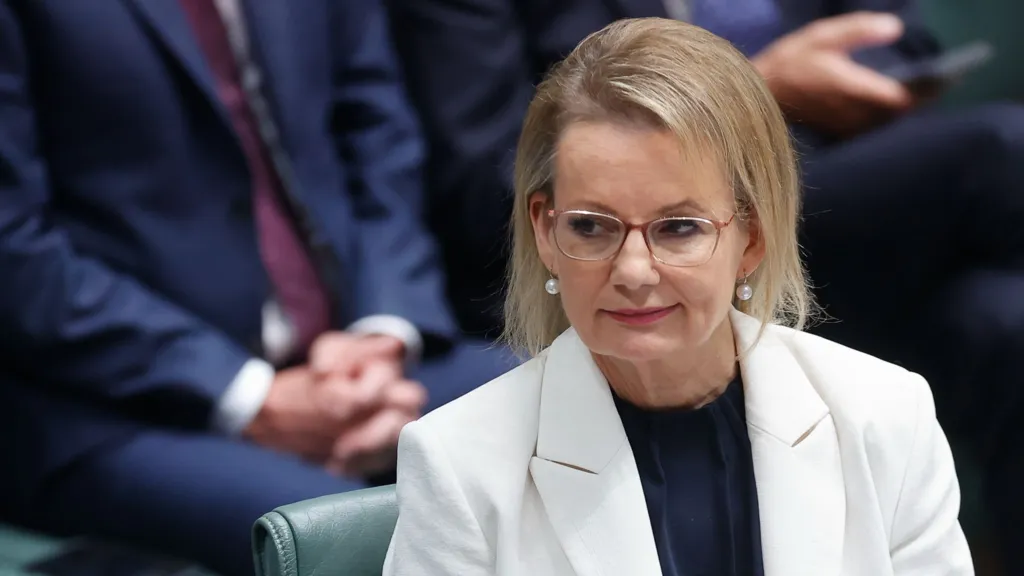
Australian Politics Faces Questions Over Gender Equality Amid Sussan Ley’s Appointment
-
 News4 hours ago
Farage Says Reform to Replace Traditional Tory Party
-
 News4 hours ago
Wrexham Pair Seek Win Against Former Team Ipswich
-
 News9 hours ago
Liberal Party Removes Australia’s First Female Leader
-
 News7 hours ago
UK Braces for Cold Snap with Snow and Ice Alerts Expected
-
 News4 hours ago
Husband’s alleged £600k theft for sex and antiques blamed on drug side effects
-
 Business10 hours ago
BBC Reporter Exposed to Cyber Attack Due to Vulnerabilities in AI Coding Tool
-
 News7 hours ago
Canadian Town Unites in Mourning After Mass Shooting Leaves Community Reeling