
News
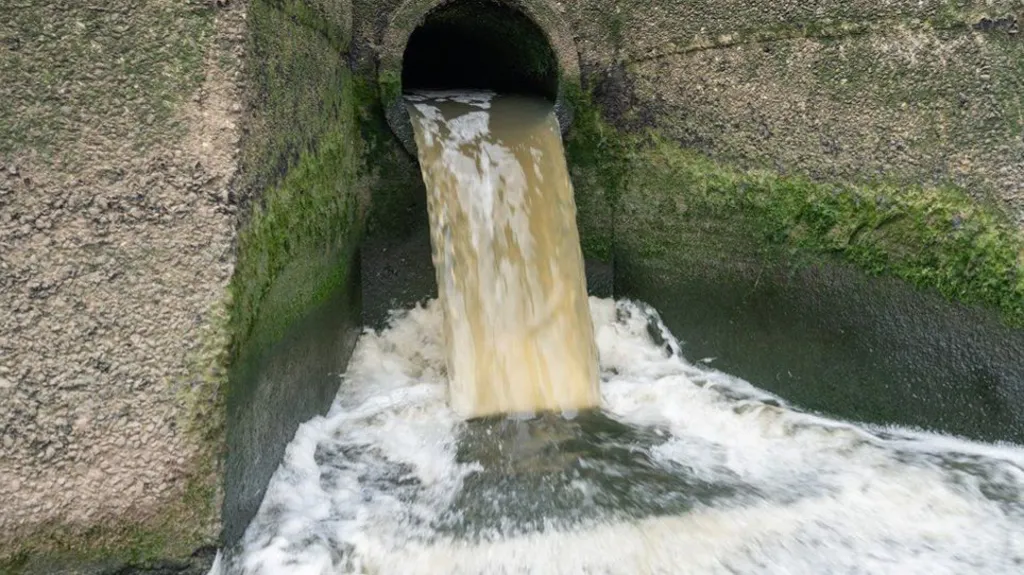
Colorado River granted legal personhood status by Native American tribes
A severe drought, the most extreme in 1,200 years, is currently affecting the river that flows through seven states in the US.
In a move to safeguard the Colorado River for posterity, the Colorado River Indian Tribes, a coalition of the Mojave, Hopi, Navajo, and Chemehuevi tribes, has conferred legal personhood upon the waterway. This development, which occurred in November 2025, acknowledges the river as a vital, sentient entity endowed with inherent rights, akin to those afforded to individuals.
The Colorado River is presently grappling with an unprecedented drought, one that has not been seen in over 1,200 years, underscoring the urgent need for conservation efforts.
With the current water sharing agreements among the seven US states that rely on the river set to expire by the end of 2026, these states have been given a deadline of 14 February to negotiate a new pact. If they fail to do so, the federal government will intervene with its own plan. The Colorado River Indian Tribes believes that granting personhood status to the river is a crucial step towards preserving its well-being.

News
Jonbon Takes Ascot Chase Title Ahead of Pic D’Orhy
Jonbon emerged victorious in the Ascot Chase, edging out Pic D’Orhy in an exciting contest to secure his 12th Grade One win.
With 12 Grade One wins under his belt, Jonbon has amassed over £1.6m in prize money, cementing his position as a top contender in the world of horse racing.
On Valentine's Day, Jonbon secured a thrilling victory in the Ascot Chase, dealing a blow to Pic D'Orhy and claiming his 12th Grade One win in the process.
Trained by Nicky Henderson, Jonbon faced stiff competition from Pic D'Orhy, the winner of the previous two years, with the two horses jumping the final hurdle neck and neck.
Despite Harry Cobden's skilled riding, 5-2 chance Pic D'Orhy was ultimately outpaced by Jonbon, the 4-9 favourite, which Nico de Boinville rode to a length and a half victory.
Jonbon's impressive record over fences is surpassed only by that of Kauto Star, a two-time Cheltenham Gold Cup winner with 16 Grade One victories to his name.
Henderson praised Jonbon's bravery, saying, "It takes a lot of courage to perform like he did today, especially considering his intense battle in the Clarence House Chase just four weeks ago."
Henderson expressed his hope that Jonbon would emerge victorious at the upcoming Cheltenham Festival, stating, "He certainly deserves a win, doesn't he?"
The Ascot Chase saw Jonbon and Pic D'Orhy dominate the six-horse field, with Blow Your Wad finishing a distant third, 14 lengths behind the leaders.
Paul Nicholls, Pic D'Orhy's trainer, was pleased with his horse's performance, describing it as "one of his best races ever" despite the disappointing outcome.
In other racing news, Grand Geste delivered a strong finish to win the Grand National Trial Handicap Chase at Haydock.
Under the guidance of jockey Danny McMenamin, the Sue Smith-trained grey Grand Geste made a late surge, taking the lead after the final fence and crossing the finish line nearly two lengths ahead at odds of 13-2.
Grand Geste's victory comes with a potential bonus of £500,000 if the horse goes on to win the Grand National at Aintree later this year.
The Grand National Trial Handicap Chase saw Top of the Bill finish second at 22-1, followed by Neo King and Deafening Silence, while favourite Myretown faded badly and was pulled up after initially setting the pace.
For the latest horse racing results, please refer to the updated listings.
News
WHO Criticizes Proposed US-Backed Infant Vaccine Study in Guinea-Bissau
In Guinea-Bissau, withholding a proven hepatitis B treatment from certain newborns while administering it to others has been deemed unethical.
The World Health Organization has condemned a proposed hepatitis B vaccine trial in Guinea-Bissau, which aimed to enroll thousands of newborns, as "unethical".
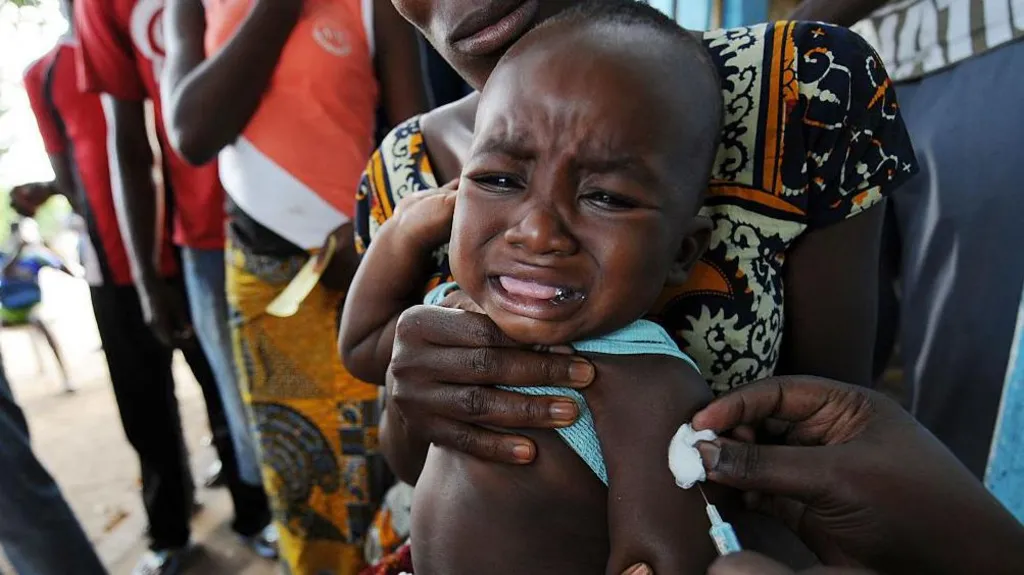
The study, backed by the US, intended to administer the vaccine to one group of babies at birth and delay vaccination for another group until they were six weeks old.
According to the WHO, the hepatitis B vaccine given at birth is a crucial public health measure with a proven track record, prompting "significant concerns" about the trial's methodology.
The US Department of Health, led by Robert F Kennedy Jr, had sought to investigate the vaccine's broader health effects through this trial.
On Friday, the WHO expressed concerns regarding the trial's scientific basis, ethical safeguards, and adherence to established human research standards.
With over three decades of use in more than 115 countries, the hepatitis B vaccine has a well-established history of effectiveness.
The WHO argued that withholding a proven life-saving intervention from some newborns could result in "potentially irreversible harm".
Hepatitis B is prevalent in Guinea-Bissau, with a significant portion of the population estimated to be infected; the WHO notes that birth-dose vaccination can prevent mother-to-child transmission in 70-95% of cases.
The WHO maintains that trials involving placebos or withholding treatment are only justifiable when no proven treatment exists, which is not the case with the hepatitis B birth-dose vaccine.
The organization recommends that all newborns receive the hepatitis B vaccine within 24 hours of birth, as infection at birth is the primary cause of lifelong infection, with 90% of infected newborns becoming chronic carriers.
Currently, Guinea-Bissau administers the dose at six weeks, but plans to introduce the birth dose nationwide by 2028, aligning with global standards; the WHO has offered to support this effort.
The suspended trial, led by Danish researchers and funded by the US, had planned to involve 14,000 babies in the West African country.
Public outcry prompted the Guinea-Bissau government to suspend the project last month.
Critics have raised questions about why Guinea-Bissau was chosen as the location for the trial.
In a related development, a US advisory panel recently voted to stop recommending universal hepatitis B vaccination for newborns in the US.
The panel, appointed by US Health Secretary Kennedy, had replaced the previous members of the Advisory Committee on Immunization Practices with new members who have expressed skepticism about vaccines.
Despite denying anti-vaccination views, Kennedy has repeatedly made claims about vaccine harms that have been widely debunked.
Among the vocal opponents of the Guinea-Bissau trial is the country's former health minister, Magda Robalo.
Robalo told the science journal Nature that the trial was "not acceptable" and that "Guinea-Bissauans are not guinea pigs".
According to the WHO, more than 12% of Guinea-Bissau's adult population has chronic hepatitis B, with some studies suggesting the prevalence could be as high as one in five.
Many people with the virus are asymptomatic or experience mild symptoms.
However, some individuals may exhibit jaundice, dark urine, fatigue, nausea, vomiting, and abdominal pain.
The WHO warns that chronic hepatitis B patients are at high risk of developing cirrhosis and liver cancer.
For more news from the African continent, visit BBCAfrica.com.

News
Ireland secures maiden victory after fending off Italy challenge
Ireland secured their first victory of this year’s Six Nations campaign, overcoming a significant challenge from Italy, and in doing so, prevented the Azzurri from achieving their maiden championship win in Dublin.
Ireland managed to turn the tables on Italy in their Six Nations match, thanks in part to a try from debutant Rob Baloucoune, who helped his team recover from a deficit at halftime.
The scoring breakdown for the match included tries from Osborne, Conan, and Baloucoune, with Crowley contributing a conversion and a penalty, while Italy's points came from a Nicotera try, converted by Garbisi, and two penalties from Garbisi.
Italy's scoring consisted of a try by Nicotera, which was converted by Garbisi, and two penalties kicked by Garbisi.
In a closely contested match, Ireland secured their first win of the Six Nations campaign, narrowly defeating Italy and preventing the Azzurri from achieving their first championship victory in Dublin.
Following a disappointing loss to France the previous week, Ireland initially took the lead when Jamie Osborne scored an unconverted try, capitalizing on a yellow card given to Italy's Louis Lynagh for a deliberate knock-on.
However, the momentum shifted in Italy's favor, and after Paolo Garbisi kicked a penalty, Ireland's Craig Casey received a yellow card, allowing Italy to gain an advantage that ultimately led to Giacomo Nicotera scoring a try and giving the Italians a halftime lead.
Three minutes into the second half, Ireland responded with a try from Jack Conan, but the score remained tied at 10-10 after Sam Prendergast missed the conversion attempt.
Ireland breathed a sigh of relief when a would-be try by Louis Lynagh was disallowed due to a forward pass, leaving the score still tied and setting the stage for a tense conclusion to the match.
As the game hung in the balance, Rob Baloucoune marked his Six Nations debut with a crucial try, and Jack Crowley's subsequent penalty gave Ireland a 10-point cushion.
Although Italy managed to close the gap, Ireland withstood a frenzied late surge from the visitors and ultimately dashed their hopes of a historic win.
A reaction to Ireland's come-from-behind victory over Italy in the Six Nations is available.
Having had nine days to reflect on their disappointing loss to France, during which coach Farrell criticized the team's lack of intent, Ireland were under pressure to deliver a strong performance and generate positive discussion around the team.
Italy, who had suffered several significant defeats in Dublin in the past, were determined to prevent Ireland from bouncing back and instead sought their first Six Nations win on Irish soil in 14 attempts.
Despite being down a player for 10 minutes after Lynagh's yellow card, Italy's defense held firm, allowing only five points to Ireland's struggling attack before Garbisi's penalty narrowed the gap to two points after 20 minutes.
As the first half progressed, Italy increased the pressure on Ireland, and after Craig Casey was sin-binned for a high tackle on Michele Lamaro, the Azzurri kicked to the corner and drove towards the Irish line, resulting in Nicotera's try.
Ireland's situation could have been even more dire if not for Michele Lamaro's knock-on after full-back Lorenzo Pani had intercepted a poor kick by Sam Prendergast and beaten the Irish fly-half.
The Ireland team consisted of Osborne, Baloucoune, Ringrose, McCloskey, Lowe, S Prendergast, Casey, Loughman, Sheehan, Clarkson, McCarthy, Ryan, Izuchukwu, Doris, and Conan.
Ireland's replacements included Kelleher, O'Toole, Furlong, Edogbo, Beirne, Timoney, Gibson-Park, and Crowley.
Craig Casey received a yellow card in the 32nd minute.
The Italy team was composed of Pani, Lynagh, Menoncello, Marin, Ioane, P Garbisi, Fusco, Fischetti, Nicotera, Ferrari, N Cannone, Zambonin, Lamaro, Zuliani, and L Cannone.
Italy's replacements included Di Bartolomeo, Spagnolo, Hasa, Ruzza, Favretto, Odiase, A Garbisi, and Odogwu.
Louis Lynagh was given a yellow card in the 10th minute.
The match referee was Hollie Davidson from Scotland.
The assistant referees were Matthew Carley from England and Luc Ramos from France.
The television match official was Ian Tempest from England.
The foul play review officer was Tual Trainini from France.
-
 News2 days ago
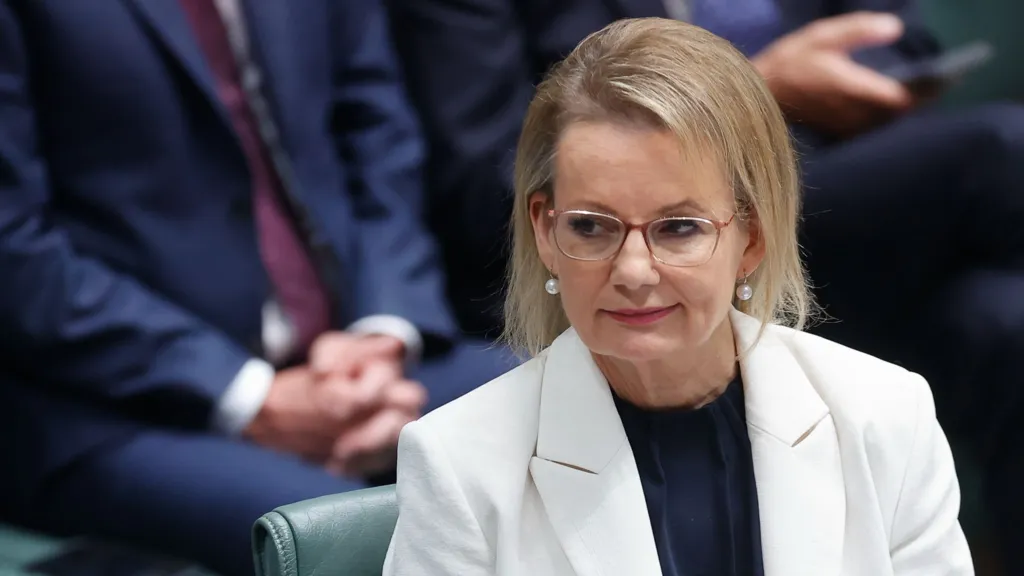
Australian Politics Faces Questions Over Gender Equality Amid Sussan Ley’s Appointment
-
 News1 day ago
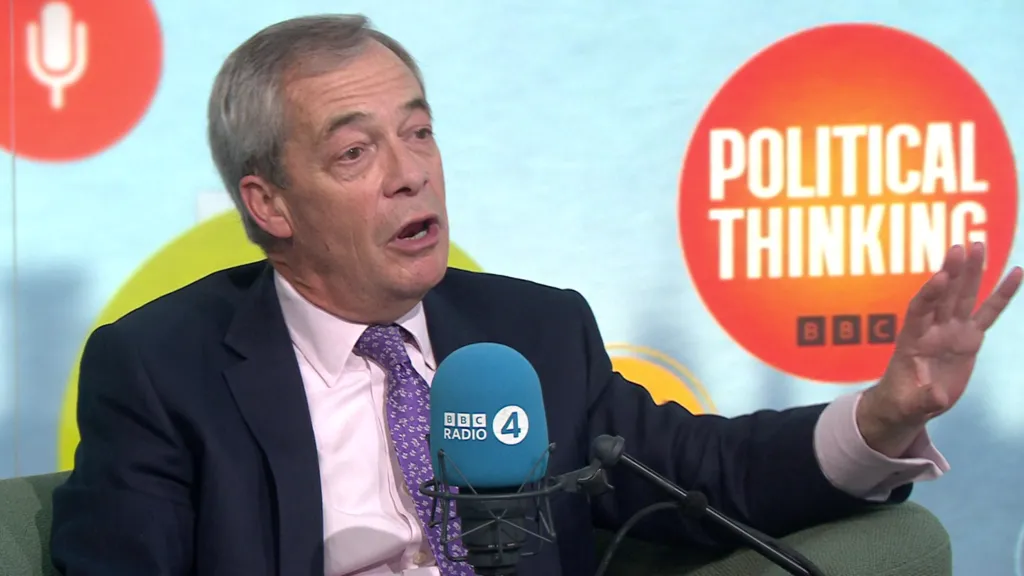
Farage Says Reform to Replace Traditional Tory Party
-
 News1 day ago
Husband’s alleged £600k theft for sex and antiques blamed on drug side effects
-
 Business2 days ago
BBC Reporter Exposed to Cyber Attack Due to Vulnerabilities in AI Coding Tool
-
 News1 day ago
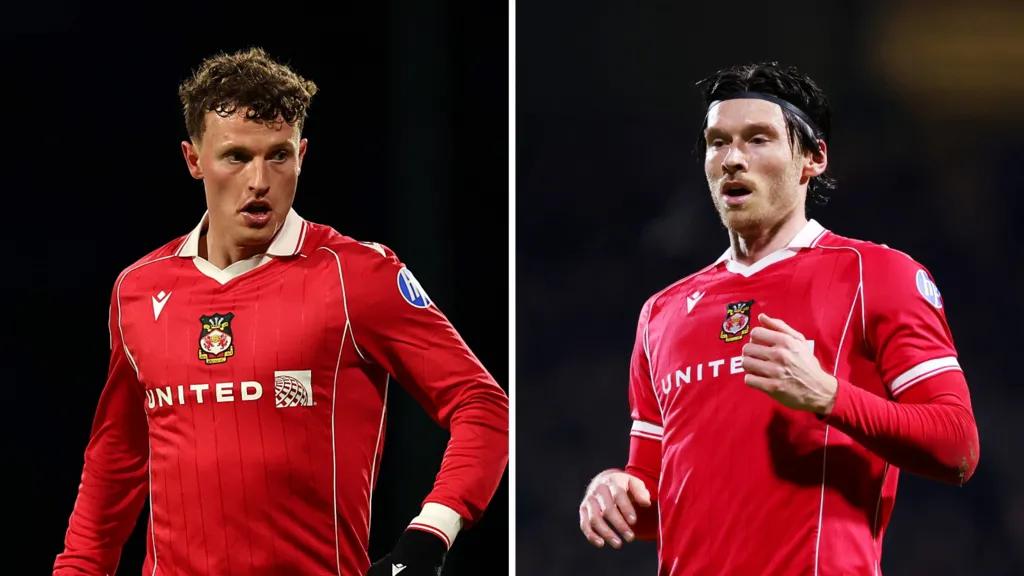
Wrexham Pair Seek Win Against Former Team Ipswich
-
 News2 days ago
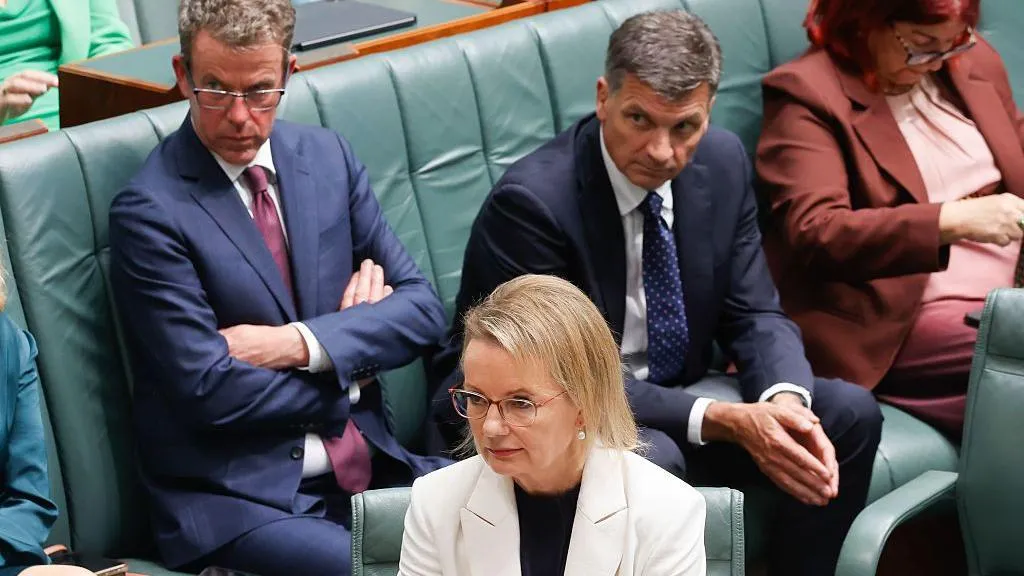
Liberal Party Removes Australia’s First Female Leader
-
 News2 days ago
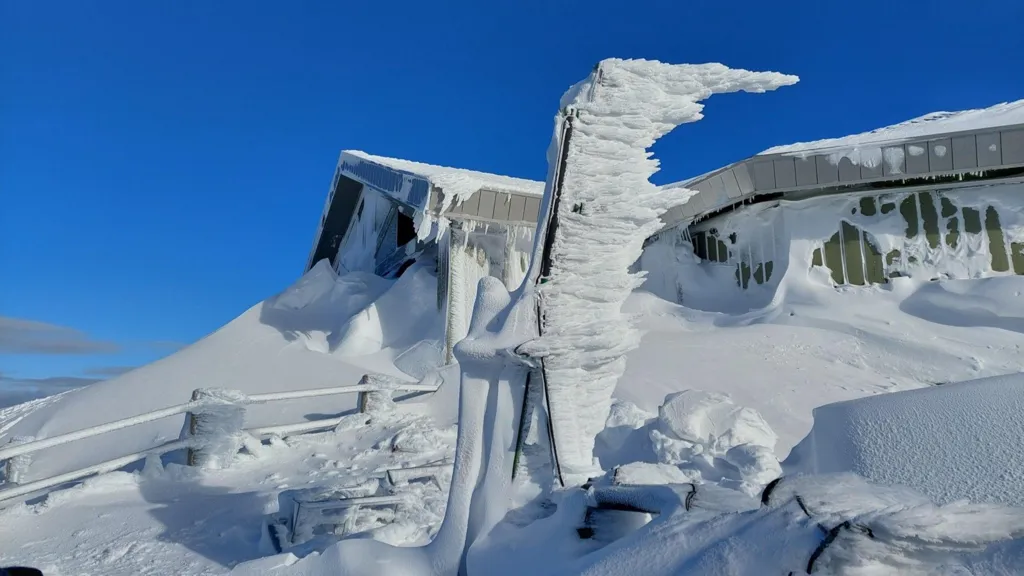
UK Braces for Cold Snap with Snow and Ice Alerts Expected
-
 News3 days ago
Sunbed ads spreading harmful misinformation to young people