
England
Bristol considers reintroducing trams after 80-year absence
Proposals for a possible large-scale transportation network in the West of England are set to be unveiled.
Bristol's history with mass transit systems has been marked by periods of activity and inactivity over the years.

Regional mayor Helen Godwin of the West of England Combined Authority, accompanied by local council leaders, recently announced a new vision for the future of transportation in the West of England.
As of June 2025, Godwin has suggested that trams, light rail, guided buses, or alternative forms of mass transportation could be viable options for the Bristol area.
The city has struggled to launch such projects in the past, particularly in recent years.
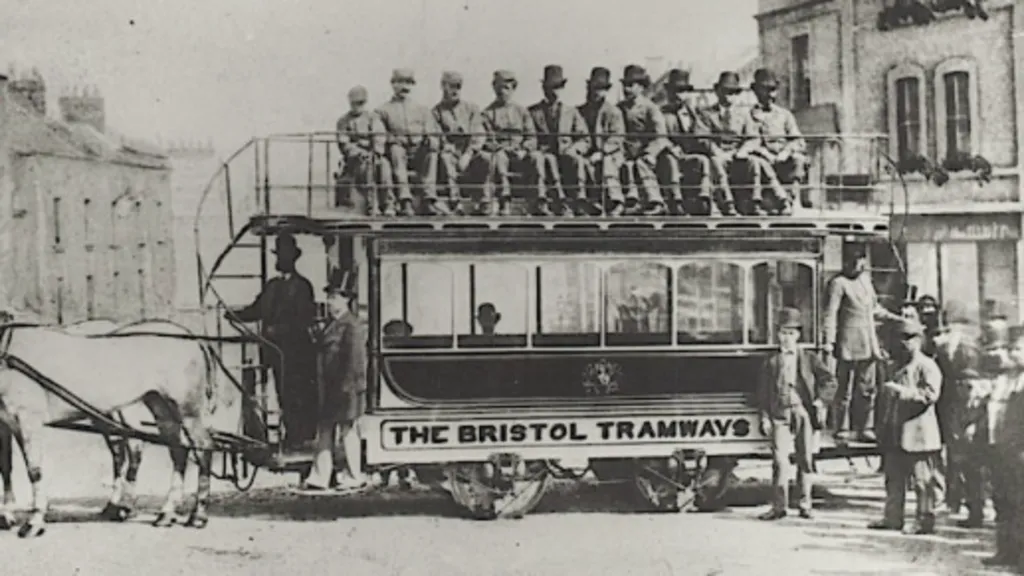
In 1875, Sir George White, a resident of Cotham, established the Bristol Tramways Company, which initially operated an open-top, horse-drawn service.
By the late 19th century, the company had introduced its first electric trams, and the early 20th century saw the tram network's peak, with over 200 trams operating on 17 routes across Bristol.
The rise of more modern and comfortable buses led to a decline in the popularity of trams in the city.
During World War II, a German bomb damaged the main power supply to Bristol, resulting in the scrapping of trams and their replacement by the Bristol Omnibus Company.
In the late 1990s, the Labour government allocated funding equivalent to approximately £1bn for a tram network connecting Bristol and South Gloucestershire.
The proposed network, dubbed Supertram, ultimately failed to materialize due to disagreements over its route.
The funding was redirected to Nottingham, which used it to build its own tram network in the early 2000s.
A £200m tram scheme for Bristol was abandoned in 2004 due to escalating costs.

As a result, Bristol stands out among major UK cities for its lack of a mass transit system.
Cities such as Liverpool, Sheffield, Manchester, Birmingham, Nottingham, Edinburgh, Newcastle, and Glasgow all have metro or tram networks, whereas Bristol does not.
However, the city's rail network has undergone improvements in recent years, with the opening of new stations at Portway Park and Ride and Ashley Down, as well as plans to reopen the Portishead line.
In 2018, the Metrobus rapid transit bus system was launched, providing a segregated bus network with dedicated lanes and traffic light priority.

The Metrobus system aims to offer faster, more reliable, and direct journeys across the greater Bristol area.
Initially estimated to cost £190m in 2015, the final cost of the Metrobus network rose to £230m by its launch.
Since its introduction, the Metrobus service has been used by tens of millions of people and has expanded to four routes, connecting key areas such as Cribbs Causeway, Hengrove, Long Ashton Park & Ride, Emersons Green, and the Bristol city centre.
In 2017, Marvin Rees, the elected Mayor of Bristol, proposed an underground system as a solution to traffic congestion, suggesting that three metro routes could be delivered within a decade at a cost of up to £4bn.
Rees revived his plans after the pandemic, following his re-election in 2021.
An initial investment of up to £15m was made to conduct feasibility studies for an underground network.
A 2023 report commissioned by the West of England Combined Authority estimated the potential cost of the scheme at up to £18bn, a figure rejected by the mayor.
In 2025, Bristol Airport opened a new £60m transport interchange, featuring thousands of parking spaces and capacity for additional buses and coaches, in an effort to promote the use of public transport.
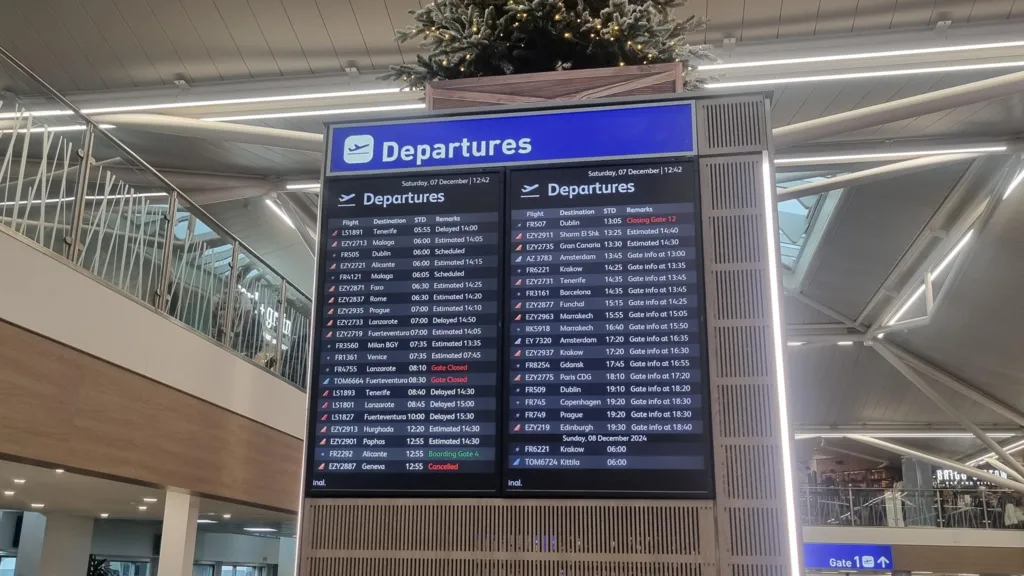
Currently, only 15% of airport passengers arrive by bus, a figure that airport management aims to increase.
Bristol Airport is one of the few UK airports without a direct rail link.
The airport is expected to be included in the mass transit network plans to be unveiled later.

England
Therapy dog Dan brings joy to care home residents
At the age of 84, John Weller found it challenging to settle into his new surroundings at a care home, but his situation improved upon meeting Dan, a golden retriever.
At the age of 84, John Weller faced difficulties adjusting to his new life in a residential home, but his outlook changed with the introduction of Dan, a friendly canine companion.
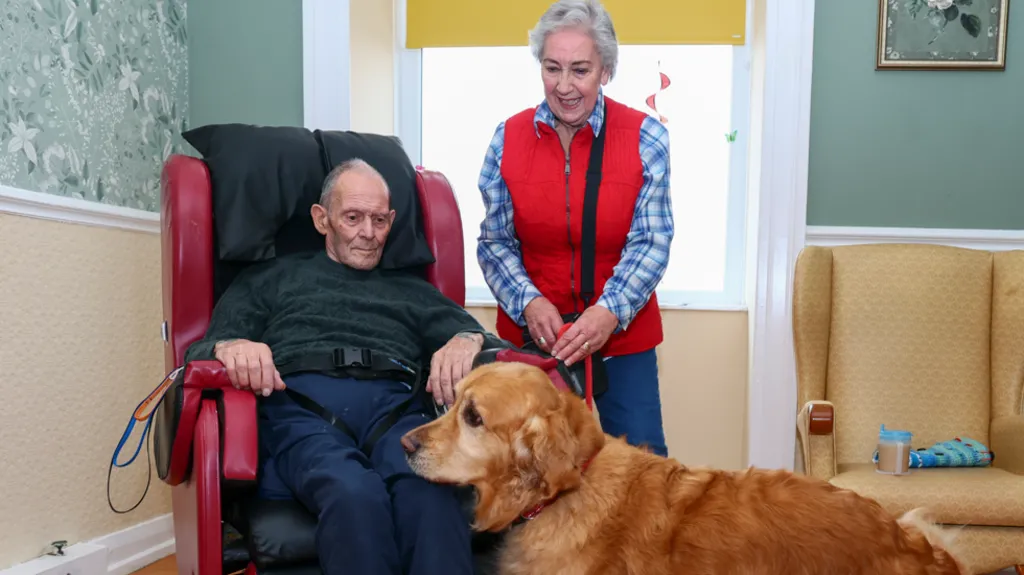
Having recently relocated to a care home in Chorley, Lancashire, Weller deeply missed his beloved pets, Rocky the miniature schnauzer and Jovi the whippet, which he had left behind.
It was observed by the care home staff that regular interactions with Dan, a golden retriever, had a profoundly positive impact on Weller's mood.
According to Weller, spending time with Dan brings him joy, and he appreciates the opportunity to stroke and feed Dan, which reminds him of his own dogs.
Weller keeps photographs of his former pets in his bedroom and often looks at them, but he also eagerly anticipates Dan's visits.
Upon his arrival at Gillibrand Hall Care Home, staff noted that Weller was experiencing a period of low mood, having had to leave behind his familiar routines and previous home.
However, as Weller formed a close bond with Dan, his confidence began to grow, and the care home staff observed that these interactions also brought back fond memories of his time with his own pets.
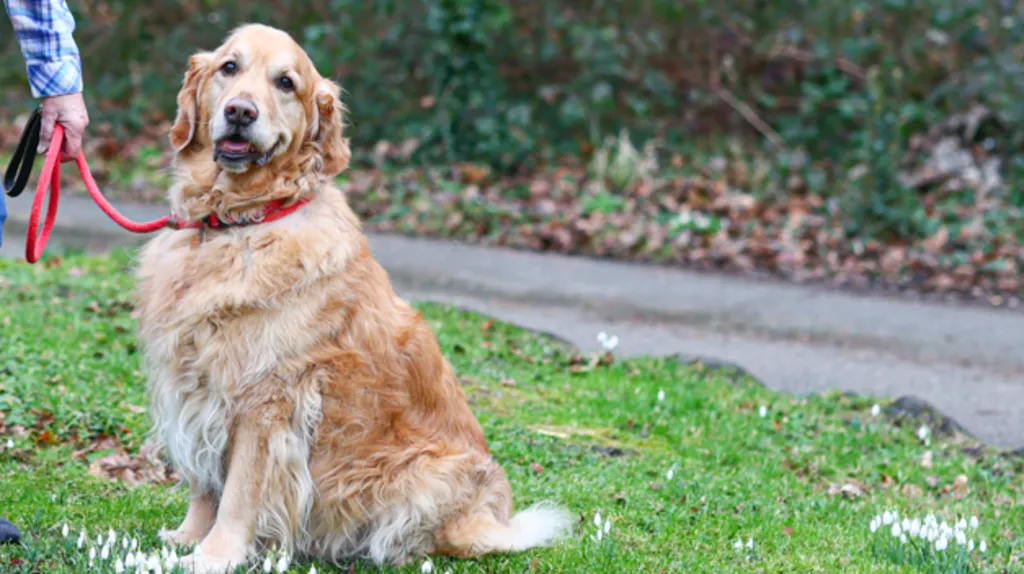
Dan's owner, Fiona Hill, described the dog as gentle, although occasionally lively, and noted that Dan seems to have an innate ability to respond to the needs of each resident.
The presence of Dan often evokes strong emotional responses from the residents, with some becoming tearful with joy upon his arrival, and he facilitates the sharing of stories about their own pets, which can initially be emotional but often lead to happy conversations and laughter.
As Dan's owner, Hill expressed pride in the comfort and companionship the dog provides, helping residents to open up and form connections.
The care home manager, Kathy Spencer, revealed that Dan had recently been recognized as employee of the month due to the significant positive impact he has had on residents, including Weller.
Spencer noted that Weller's mood and confidence have shown significant improvement since meeting Dan.
For Weller, the experience of pet therapy with Dan extends beyond anxiety reduction, as it allows him to reconnect with his passion for dogs and reminisce about happy memories.
The strong bond between Weller and Dan provides comfort and calm, highlighting the benefits of pet therapy in care home settings.
England
Woman sentenced to prison for murdering and dismembering partner
Anna Podedworna has received a life sentence following her conviction for the murder of Izabela Zablocka.
A woman has been sentenced to life imprisonment for murdering her partner and dismembering her body, which was then buried in a garden over 15 years ago.
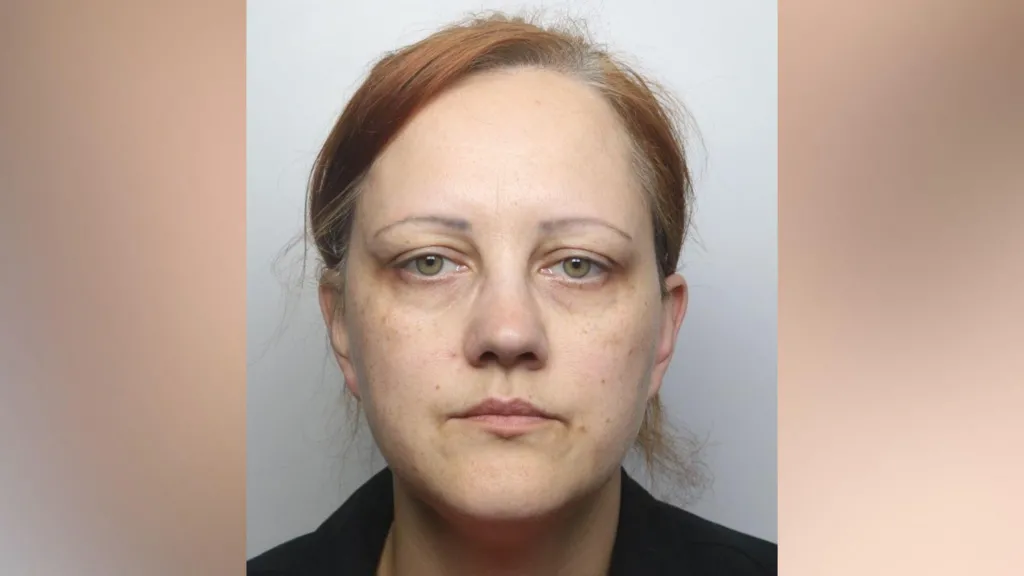
It was in 2025 that Anna Podedworna contacted Derbyshire Police, providing them with information that led to the discovery of Izabela Zablocka's remains in a house on Princes Street, Derby.
Podedworna, a 40-year-old resident of Boyer Street in Derby, had a background as a skilled butcher, but her profession did not prepare her for the severity of the crime she committed; she was found guilty of murder by a jury.
On Wednesday, at Derby Crown Court, Podedworna received a life sentence with a minimum term of 21 years for her role in Izabela Zablocka's murder.
During sentencing, Mrs Justice Williams KC noted that the evidence presented in the trial highlighted the strong family bonds Izabela shared, particularly with her mother, grandmother, and daughter Kasia.
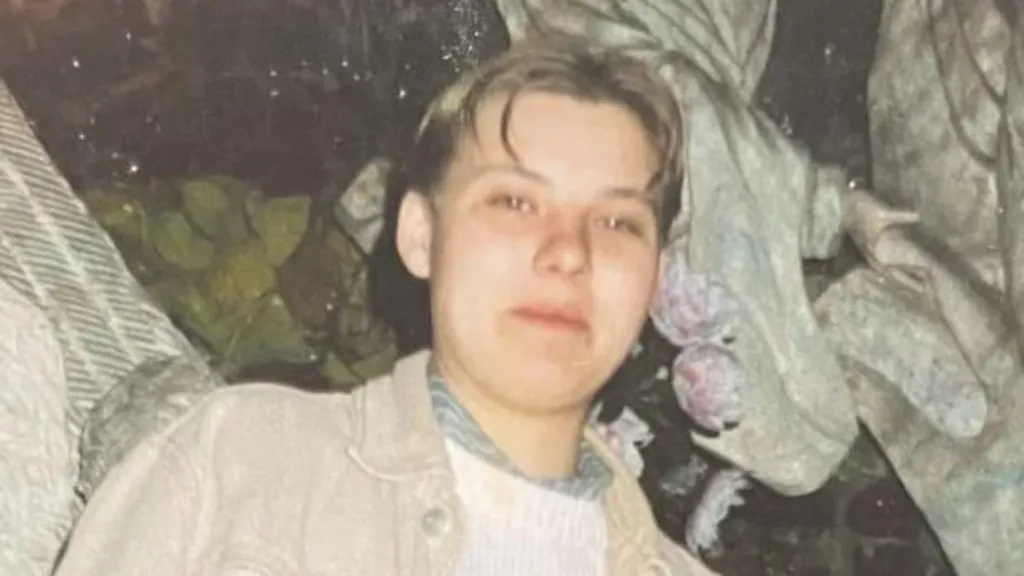
Izabela maintained regular contact with her family in Poland, but her disappearance was marked by an uncharacteristic silence, particularly when she failed to call her daughter on her 10th birthday, 4 September 2010.
The judge emphasized that Podedworna's actions had a profound impact on Kasia, who was left without a mother and struggled to understand her sudden disappearance.
The judge acknowledged the perseverance of Izabela's family, who never gave up hope of uncovering the truth behind her disappearance, and noted that without their efforts, Podedworna's crimes may have gone undetected.
Podedworna showed no remorse for her actions, and the judge rejected the idea that she deserved credit for eventually contacting the police in 2025, as this was seen as an attempt to manipulate the investigation.
Readers are warned that this article contains distressing details.
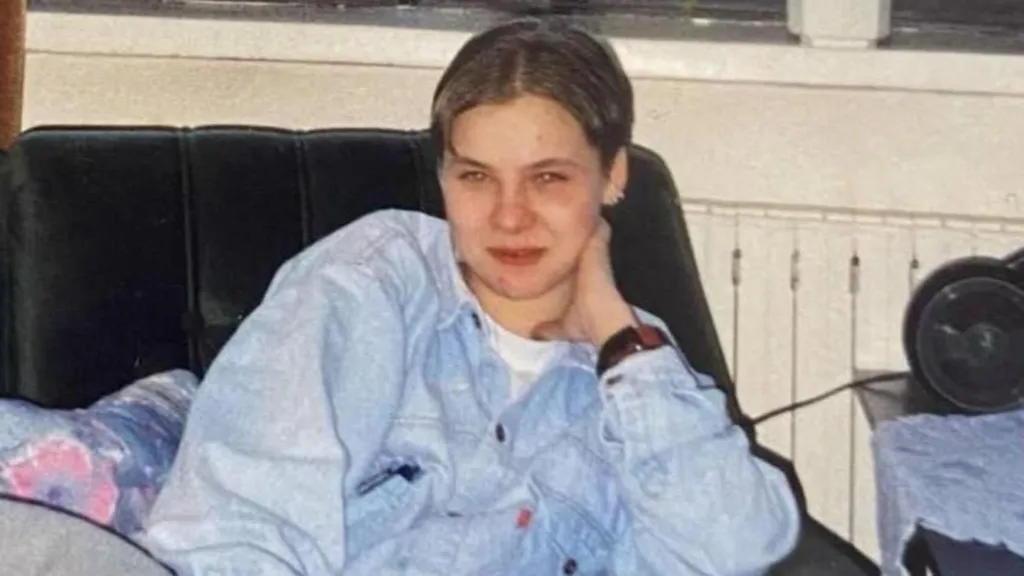
The two women had moved to the UK from Poland in search of work and lived together in the Normanton area of Derby.
The last known contact with Izabela was a phone call to her mother in Poland on 28 August 2010, after which she was never heard from again.
According to prosecutor Gordon Aspden KC, shortly after this call, Podedworna murdered Izabela, dismembering her body with a large knife.
Investigators discovered that Podedworna had previously worked as a skilled butcher, a job that involved using large knives to debone and portion turkey carcasses.
The body was then buried in the garden, and a layer of concrete was laid over the grave.
In 2025, Kasia, now an adult, approached Polish TV journalist Rafal Zalewski and asked for his help in investigating her mother's disappearance.
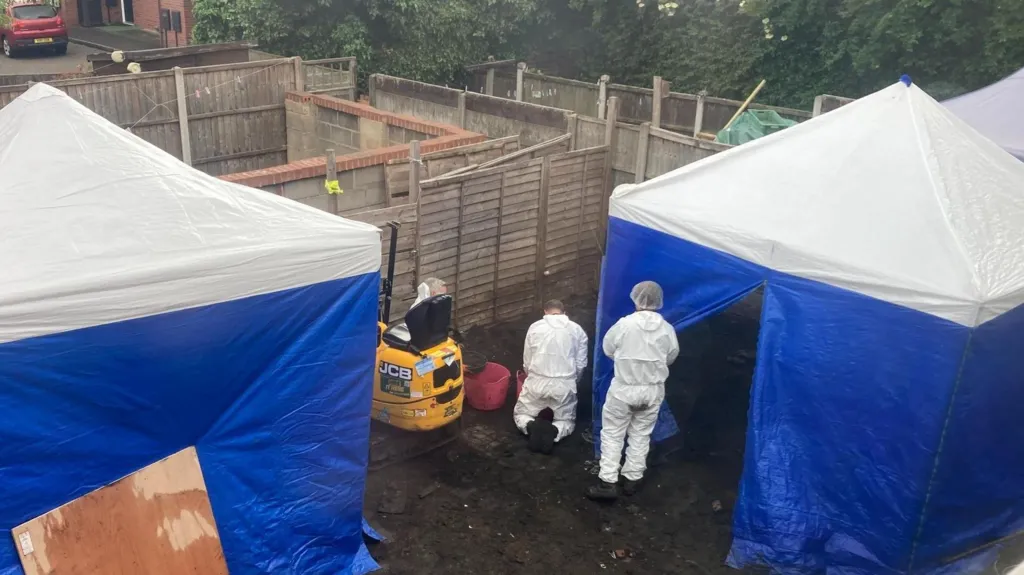
Zalewski confronted Podedworna at her home in Boyer Street, Derby, but she initially denied any knowledge of Izabela's whereabouts.
However, under mounting pressure, Podedworna eventually contacted Derbyshire Police and provided them with the location of the body.
A thorough search of the Princes Street property led to the discovery of Izabela's remains.
In a statement read out in court, Kasia described the traumatic impact of her mother's disappearance on her life.
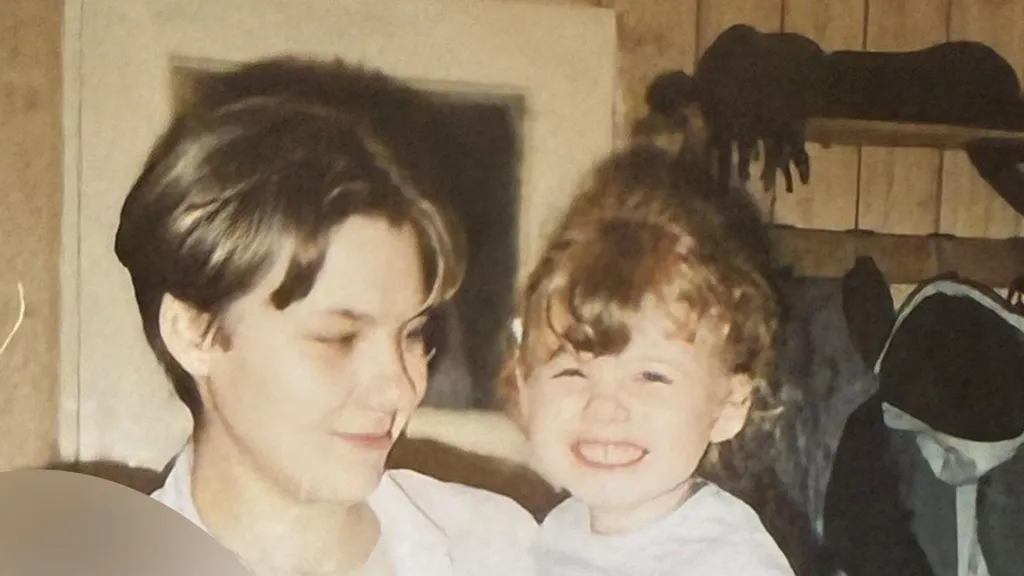
Kasia recalled being extremely close to her mother and feeling devastated by her sudden and unexplained disappearance.
The experience left a deep emotional scar, and Kasia struggled to cope with the uncertainty surrounding her mother's disappearance.
For years, she wondered why her mother had stopped contacting her, feeling abandoned and unsure of what had happened.
Instead of enjoying her childhood, Kasia was preoccupied with thoughts of her mother and the reasons behind her disappearance.
Despite the uncertainty, Kasia always believed that her mother would not have left her without a reason.
Podedworna claimed to have acted in self-defence, but this was rejected by both the jury and the judge.
Clive Stockwell KC, representing Podedworna, suggested that some unknown event must have triggered her actions, given her previously good character.
Stockwell also highlighted the impact of the sentence on Podedworna's children, who would have to spend a significant part of their lives without their mother.
However, Mrs Justice Williams emphasized that Podedworna's brutal treatment of Izabela's body was consistent with a killing motivated by anger and a deep-seated dislike for her partner.
The judge noted that Podedworna had continued to deceive those around her, including Izabela's mother, her own mother, and the police, about the circumstances of Izabela's disappearance.
This pattern of deception continued over the years, with Podedworna showing no remorse for her actions.
England
Reform leader resigns amid council investigation into racism allegations
Councillor Chris Large has stepped down from his position as leader of the Staffordshire Reform group, a move that comes shortly after his initial appointment.
An investigation is underway into allegations of racism against a former Reform councillor in Staffordshire, who recently resigned from their position as group leader just days after being appointed.
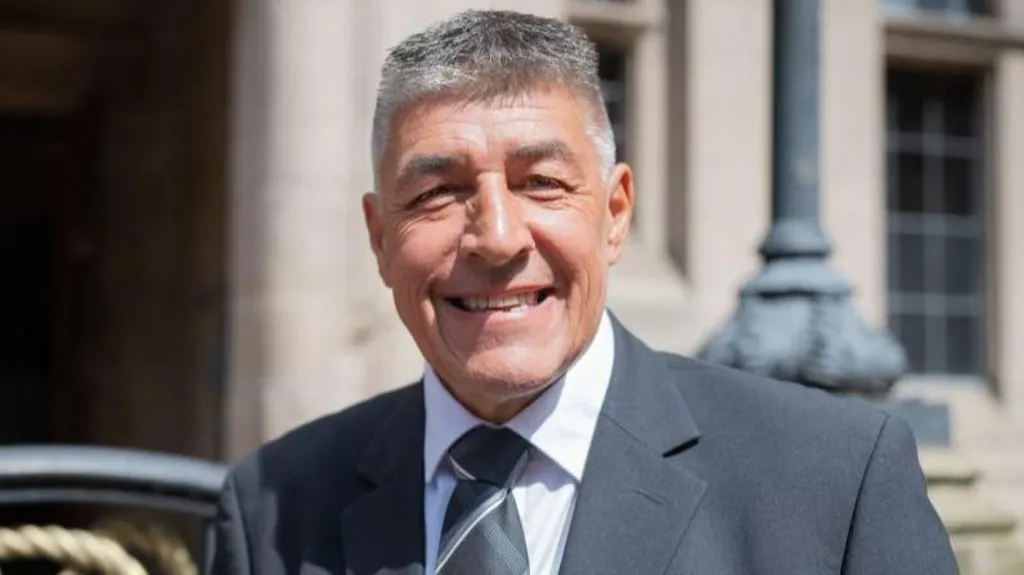
Documents obtained by the BBC reveal that the council has referred a complaint regarding councillor Chris Large, a former cabinet member, who allegedly made or endorsed racist comments on his TikTok account, as evidenced by confidential emails.
Due to the complexity and severity of the allegations, the council has assigned an Independent Investigating Officer to conduct a thorough investigation into the matter.
Councillor Large has denied any involvement in the comments, attributing them to a hacked account, and stated that there were unauthorized logins, resulting in the account's deletion.
Large's resignation as leader and cabinet member for finance was announced last week, citing a family bereavement as the reason for his decision to step down.
This resignation occurred shortly after he oversaw the approval of Staffordshire County Council's £840.8m budget for 2026-27.
Large was slated to succeed councillor Ian Cooper, who had previously resigned amidst allegations of racism, which Cooper has not publicly denied.
At the time of Large's appointment, his party highlighted his extensive experience as a chief executive in the finance and banking industry, spanning over 30 years, as well as his 35-year residency in the county.
According to records from Companies House, Large has been listed as the director of 12 companies over the past 20 years, all of which are currently dissolved.
These companies also list France as Large's country of residence.
Large explained to the BBC that his involvement with the dissolved companies was related to his role in transforming and turning around businesses.
He stated that the closure of some businesses led to the creation of new ones, highlighting the positive outcomes of his work.
In response to Large's resignation, Philip White, the Conservative leader of the opposition, expressed sympathy for Large's family situation while also criticizing his appointment as leader.
White stated that Large's involvement in the racism scandal that led to Ian Cooper's resignation made him an unsuitable candidate for the leadership position.
White emphasized the need for stability in Staffordshire, given the recent turnover of leaders, and hoped that the Reform party could find a suitable replacement from their ranks.
Martin Murray, the acting leader of the county council, had previously thanked Large for his contributions and expressed support for his decision to resign, citing the importance of prioritizing family.
Murray's statement reflected the council's understanding of the personal circumstances that led to Large's resignation.
The Reform UK party has stated that it will not be taking any action against Large regarding the complaints about his social media activity.
The positions of cabinet member for finance and elected leader of the Reform group remain vacant, awaiting new appointments.
A council spokesperson explained that the authority takes all concerns about the conduct of elected members seriously and will address them in accordance with the council's Standards Complaints process and Code of Conduct.
Meanwhile, council members are scheduled to meet and vote on the proposed budget, which includes a 3.99% council tax increase, on February 12.
-
 News5 hours ago
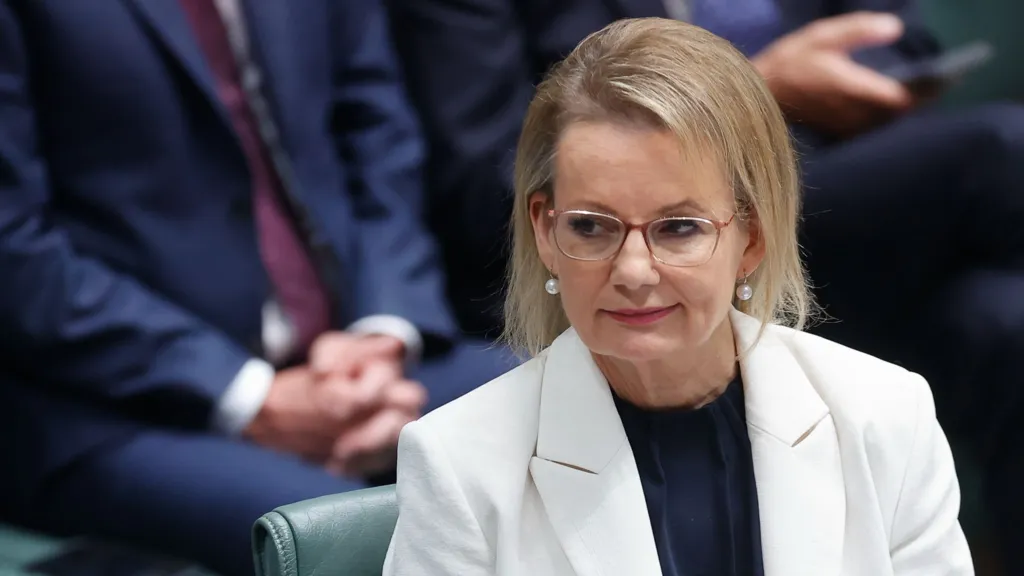
Australian Politics Faces Questions Over Gender Equality Amid Sussan Ley’s Appointment
-
 News3 hours ago
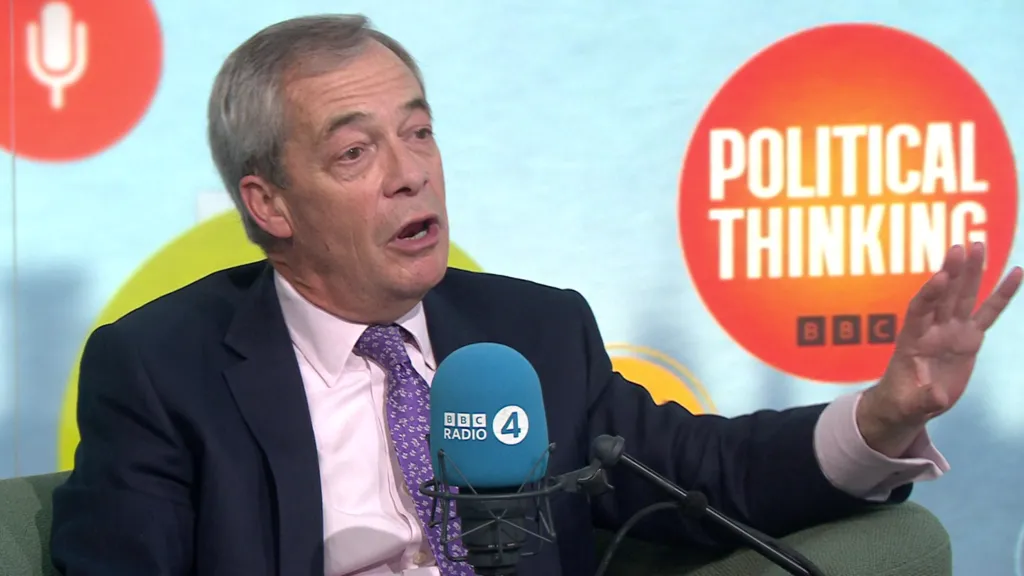
Farage Says Reform to Replace Traditional Tory Party
-
 News3 hours ago
Wrexham Pair Seek Win Against Former Team Ipswich
-
 News8 hours ago
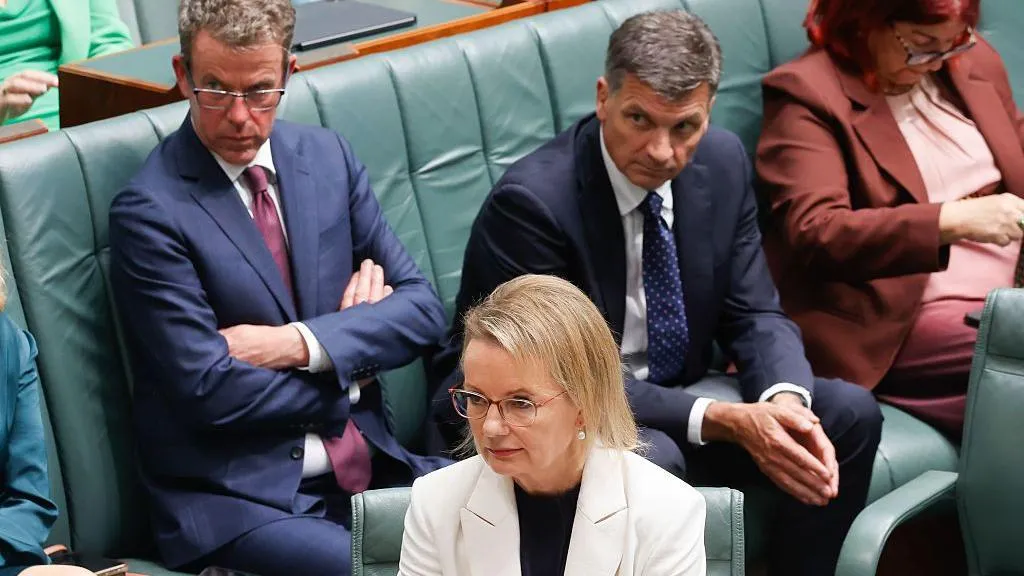
Liberal Party Removes Australia’s First Female Leader
-
 News6 hours ago
UK Braces for Cold Snap with Snow and Ice Alerts Expected
-
 News2 hours ago
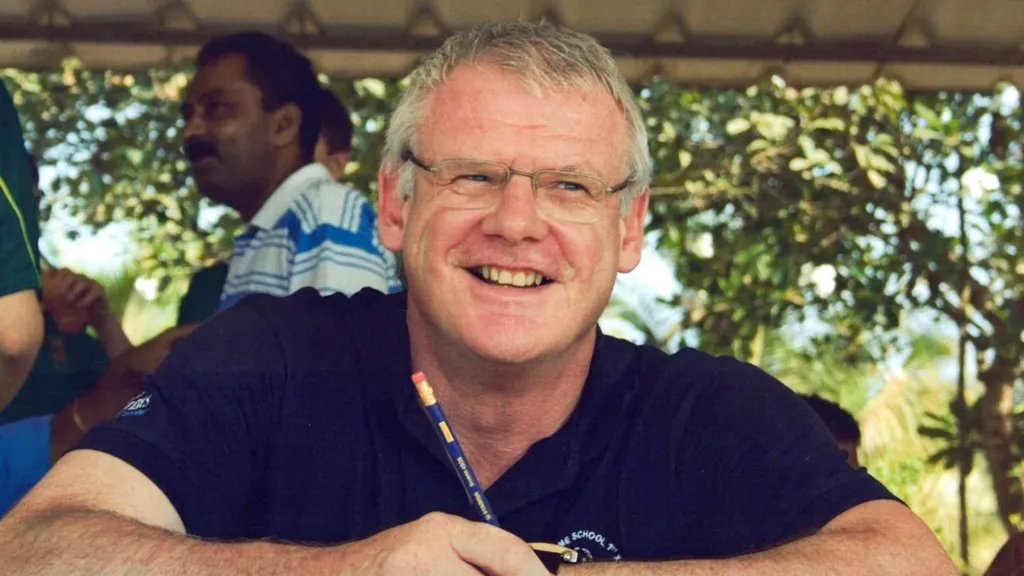
Husband’s alleged £600k theft for sex and antiques blamed on drug side effects
-
 News2 days ago
Sunbed ads spreading harmful misinformation to young people
-
 News14 hours ago
Ukraine Athletes Show Support for Barred Competitor with On-Field Gesture