
Europe
Ukrainian mother reunited with son thought to be deceased
In 2023, Nazar Daletskyi’s family had presumed he was deceased and proceeded to hold a burial for what they believed to be his remains.
The family of Nazar Daletskyi had previously assumed that he had fallen in combat.
A funeral was held for him in 2023, with his body laid to rest in a cemetery in western Ukraine.
However, in a surprising turn of events, Nazar recently contacted his mother, revealing that he was alive, albeit in a weakened and exhausted state.
His release from Russian captivity was facilitated by a recent prisoner exchange, marking a new development in his story.
Nataliya, Nazar's mother, shared her reaction with the BBC, describing the overwhelming emotions she experienced upon receiving the unexpected news.
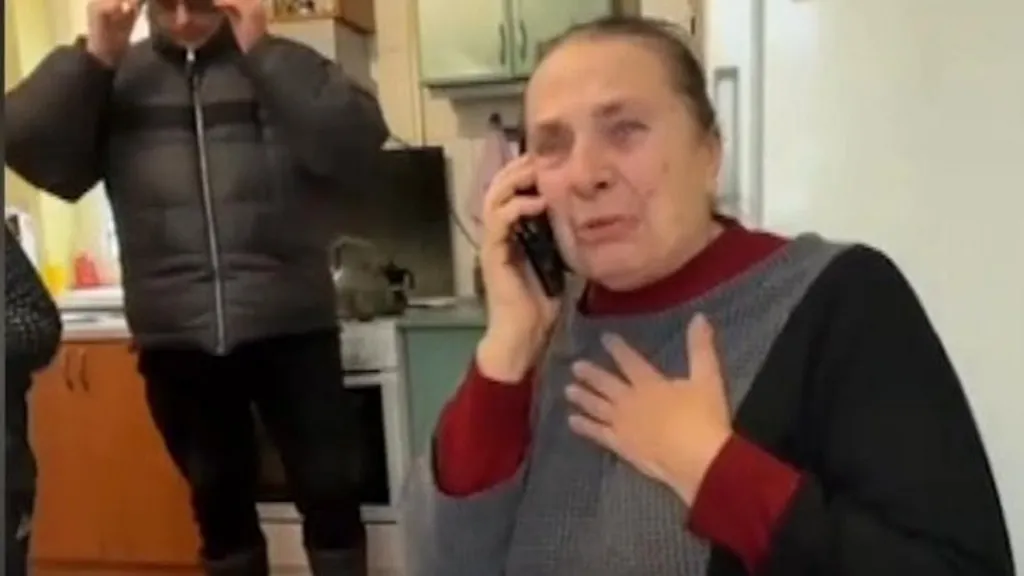
The initial phone call brought immense happiness to the entire family, as evident in the recorded video.
In a concerned tone, Nataliya inquires about her son's well-being, asking if he has all his limbs intact.
With affection, Nataliya addresses her son, expressing her long-awaited reunion with him, saying "My golden child, I have been waiting for you so long."
Meanwhile, Roksolana, Nazar's cousin, is visibly ecstatic, screaming and jumping with joy in the background.
Nataliya recounts the experience, describing the overwhelming emotions she felt upon hearing her son's voice, having previously thought he had passed away, and admits to being unable to contain her tears of happiness.
In a war-torn country where uplifting news is scarce, the tale of Nazar's remarkable return is a notable exception, filled with unexpected twists.
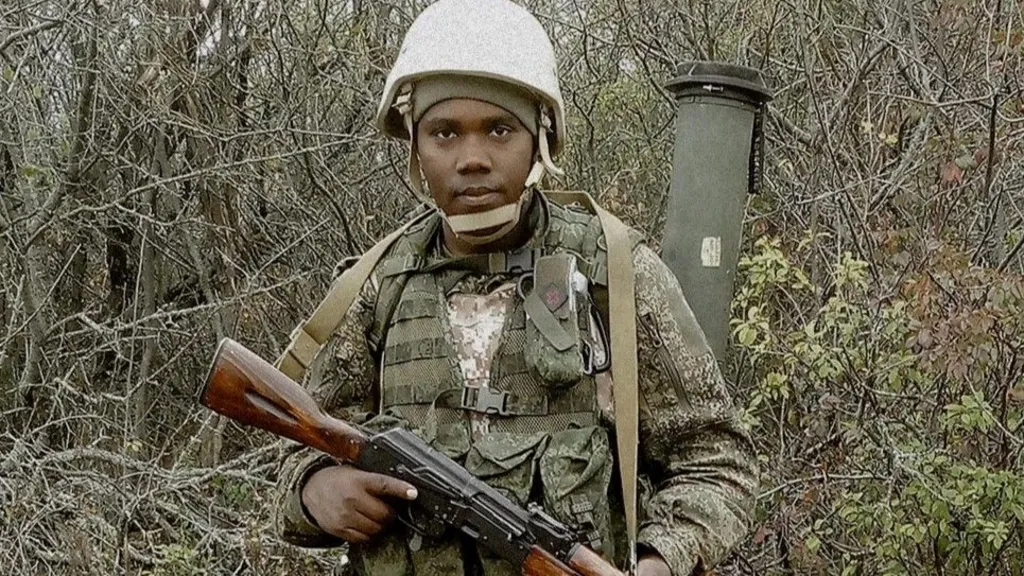
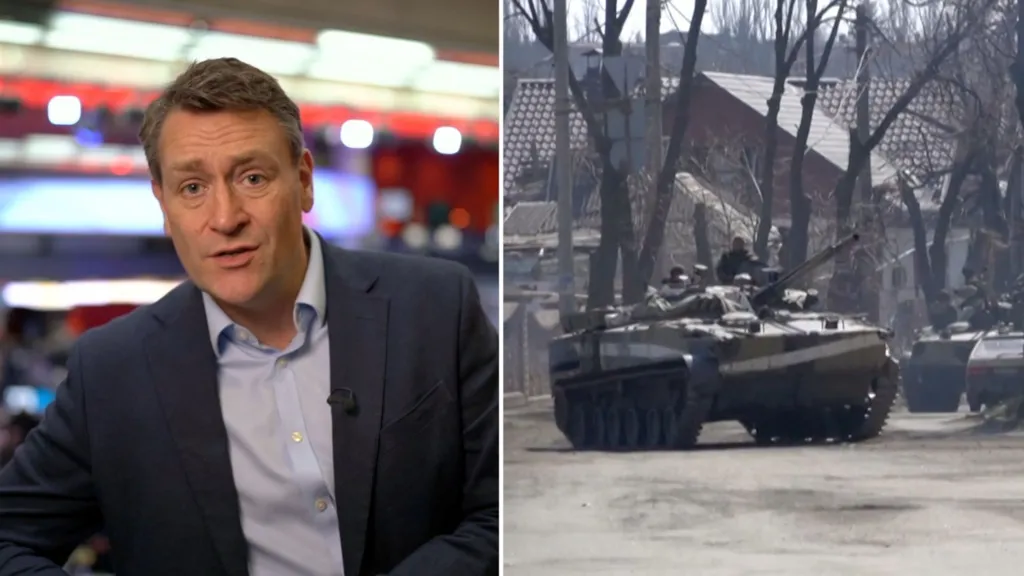
Following Russia's large-scale invasion in 2022, the 42-year-old Nazar rejoined the fight, drawing on his prior experience from 2014.
According to his cousin, who spoke to the BBC, Nazar's decision to return to the front lines was made without hesitation, as he had previously fought in the conflict.
However, by May of that year, Nazar's status changed to missing in action, sparking concern among his loved ones.
A subsequent phone call to Nazar's mother from a Russian-speaking individual claimed that Nazar had been taken captive, but offered reassurance that his situation would be resolved favorably.
A cryptic message from an unknown source left Nazar's family with more questions than answers, as it failed to disclose his location, the identity of his captors, or his condition, leaving them without official confirmation.
It wasn't until 12 months later that Nataliya received news that a body had been identified at a morgue in southeastern Ukraine, thanks to a DNA sample she had provided, which helped facilitate the discovery.
According to Roksolana, the body in question was severely charred, one of several found in a bus that had been set ablaze, and it was only when investigators cross-referenced the remains with lists of missing soldiers that a match was made.
Following the forensic analysis, the body was confirmed to be that of Nazar, bringing a measure of closure to the family's ordeal.
With the identification confirmed, the family was able to reclaim Nazar's body, hold a funeral service, and begin the grieving process.
A major development occurred last September, catching them off guard.
A recently released soldier from Russia contacted them with astonishing news: Nazar was alive, and he had personally seen him in jail.
Roksolana recalled the overwhelming emotions that followed, saying, "The news was difficult to process, but the soldier's claim seemed genuine – what motive would he have to fabricate it?"
However, without direct communication or visual confirmation from Nazar, uncertainty persisted.
This week brought a significant breakthrough: Nazar made contact, now back in Ukraine.
It has been three years and nine months since Nataliya's son went missing.
In preparation for their upcoming reunion, the family is working to eliminate online content related to Nazar's funeral to avoid causing him distress.
Additionally, they have had to request the removal of his photo from a village memorial honoring fallen heroes.
An investigation is currently underway to determine the circumstances surrounding this disturbing error.
For now, the family's attention is directed towards other matters.
In anticipation of Nazar's return home, his mother is busy preparing a variety of his favorite dishes, made from scratch, to help him recover and readjust.
Roksolana expresses her desire to see more families experience the same joy as hers, with loved ones returning home and receiving positive news.
Approximately 70,000 individuals are currently listed as missing, with the majority believed to be military personnel, many of whose remains may never be recovered due to the circumstances of their death.
However, a significant number of missing individuals are thought to be prisoners of war, and for their families, Nazar's experience serves as a source of encouragement and optimism.
Nataliya conveys her heartfelt wish for all families, particularly women and children, to receive the same life-changing phone call that brought her family joy, and to experience similar happiness.
A heartfelt reunion is anticipated, with a warm embrace planned for a beloved son, driven by a deep affection for him.
Mariana Matveichuk contributed to this report with additional information.
Europe
De Zerbi and Marseille part ways by mutual agreement
Marseille has parted ways with Roberto De Zerbi, whose tenure included guiding the team to a second-place finish in Ligue 1 the previous season, after the club’s Champions League elimination and a 5-0 loss to Paris St-Germain.
Prior to his tenure at Marseille, Roberto de Zerbi held managerial positions at Shakhtar Donetsk and Brighton.
Marseille has announced that Roberto de Zerbi is no longer the club's manager, with the two parties agreeing to part ways.
The decision to end de Zerbi's tenure comes on the heels of a significant loss to Paris St-Germain, with a score of 5-0, as well as the team's elimination from the Champions League after a 3-0 loss to Club Brugge.
De Zerbi assumed the role of manager at Marseille in the summer of 2024, following his departure from Brighton, where he had been in charge for nearly two years.
During his time at Marseille, de Zerbi led the team to a second-place finish in Ligue 1 the previous season, and at the time of his departure, the club was ranked fourth in the league, trailing leaders Paris St-Germain by 12 points.
A statement released by Marseille confirmed that the club and de Zerbi had mutually agreed to end their collaboration, marking the end of his tenure as coach of the first team.
According to the club, the decision to replace de Zerbi was made after consultations between key stakeholders, including the owner, president, director of football, and coach, with the goal of addressing the team's performance challenges in the remaining part of the season.
Marseille described the decision as a collective and difficult one, made with careful consideration and a focus on the best interests of the club, in order to respond to the team's current sporting challenges.
For more on this story and other football news, tune in to the latest episode of the Football Daily podcast.
Europe
Macron urges Europe to assert its global influence
The President of France has cautioned that Europe is confronting a critical moment, citing increasing threats from China, Russia, and the United States.
Emmanuel Macron, the President of France, is calling on Europe to establish itself as a major force globally, emphasizing the need for the continent to project its influence.
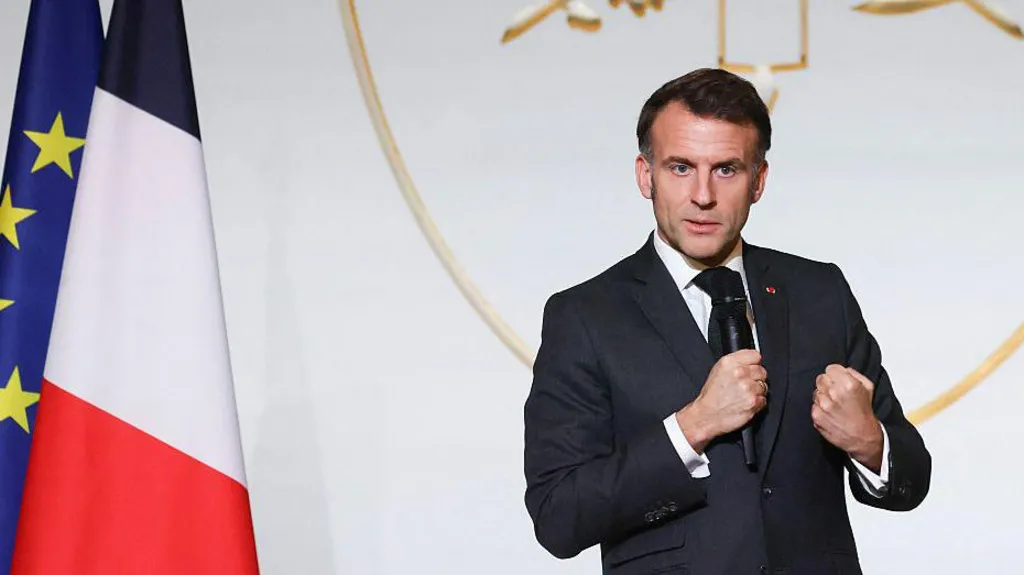
Citing increasing challenges from China, Russia, and the United States, Macron cautioned European newspapers that the region is at a critical juncture, necessitating a prompt response.
Macron posed a fundamental question, asking whether Europe is prepared to assert its authority in key areas such as economics, finance, defense, security, and democratic governance.
In remarks made prior to an upcoming EU summit in Brussels, Macron referenced a historical concept, suggesting that the time has come for Europe to take a more prominent role on the global stage.
The French President reiterated his proposal for EU member states to share the risk of loans, which could generate hundreds of billions of euros for crucial industrial investments across the continent.
A proposal has been made to introduce a joint debt capacity, specifically eurobonds, to cover future expenses. The idea is to support large-scale European initiatives that can fund top-tier projects.
Previous suggestions of this nature have been met with skepticism, particularly from Germany and other countries, which have expressed concerns that France is attempting to shift its financial burdens onto the European community, citing its own lack of reform efforts as the reason.
Macron acknowledged that France's economic model has historically been unbalanced, differing from the more responsible approaches taken by certain northern European economies.
He noted that France has not undergone the same level of reforms as countries like Portugal, Spain, Italy, and Greece, which implemented significant changes in the 2010s and are now seeing positive results.
According to Macron, there is a growing demand in global financial markets for a mutualized European debt instrument, which the EU is currently not equipped to provide.
Global markets are growing wary of the US dollar and seeking alternative options, indicating a shift in economic dynamics.
Investors worldwide are drawn to countries with a strong rule of law and democratic foundations. Currently, the international landscape is characterized by China's authoritarian regime and the US's perceived deviation from its own democratic principles.
Macron emphasized that the 27-member European Union requires an annual investment of €1.2 trillion to bolster key sectors, including security, defense, renewable energy, and artificial intelligence.
The EU leader urged the bloc to safeguard its strategic industries, pointing out that both China and the US have taken similar measures. He noted that Europe currently has the most open market globally.
Macron clarified that his stance is not about embracing protectionism, but rather about promoting consistency in trade policies, ensuring that European producers are not unfairly disadvantaged by regulations that do not apply to non-EU competitors.
European leaders are currently confronting a significant dilemma, according to recent statements, as the global landscape becomes increasingly unstable.
The pace of climate change is quickening, while the United States, once considered a permanent guarantor of European security, is now less reliable. Russia's supply of affordable energy, which was previously thought to be a long-term arrangement, ceased three years ago. Meanwhile, China has emerged as an increasingly intense rival.
The European community now finds itself self-reliant, but its collective strength lies in its unity, with a population of 450 million people, a substantial entity. For one European leader, the pursuit of greater influence is seen as the natural culmination of the European project.
Historically, European nations have come together to prevent conflict and establish a unified market, yet they have traditionally avoided aspirations of collective power.
Regarding the recent tensions with the US over Greenland, which ended with President Donald Trump appearing to retract his threats to annex the Danish territory, a European leader cautioned against complacency, suggesting that Europeans should remain vigilant.
Following a crisis, a common reaction is to breathe a sigh of relief and assume the situation has been resolved. However, this sense of security can be short-lived, as threats and intimidation may still be present, only to be followed by a sudden shift in Washington's stance.
According to the French leader, it is essential not to be misled by this apparent calm, emphasizing that the situation is far from over.
Europe
Ukrainian skeleton racer’s helmet, honoring war victims, banned
Vladyslav Heraskevych, a Ukrainian skeleton athlete, has stated that the International Olympic Committee (IOC) has prohibited him from wearing a helmet that displays images of war victims from his home country, a ruling that he says is deeply distressing.
Vladyslav Heraskevych has a history of utilizing his public presence to speak out against the conflict in Ukraine.
According to Ukrainian skeleton athlete Vladyslav Heraskevych, the International Olympic Committee has prohibited him from wearing a helmet that displays images of war victims from his native country, a decision he finds deeply distressing.
Heraskevych, 26, donned the helmet during a Winter Olympics practice session in Cortina, having previously stated his intention to leverage the Games as an opportunity to raise awareness about the ongoing conflict.
The International Olympic Committee has not yet publicly acknowledged whether it has indeed banned the helmet in question.
In an Instagram post, Heraskevych, who served as a flagbearer for Ukraine during the opening ceremony on Friday, stated that the IOC has barred him from wearing the helmet at official training sessions and competitions.
The IOC's decision has sparked disappointment, as it prevents athletes from being recognized on the Olympic stage, a platform they will never have the opportunity to participate on again, leaving a sense of betrayal among those who have been part of the Olympic movement.
The IOC has previously permitted such tributes in both recent and past events, but in this instance, it has chosen to establish unique guidelines specifically for Ukraine, deviating from its earlier precedents.
In an interview with Reuters, Heraskevych revealed that the images on his helmet included several athletes, such as teenage weightlifter Alina Peregudova, boxer Pavlo Ishchenko, and ice hockey player Oleksiy Loginov, some of whom he considered friends.
According to Heraskevych, Toshio Tsurunaga, the IOC's representative responsible for facilitating communication between athletes, national Olympic committees, and the IOC, visited the athletes' village to inform him of the decision.
Heraskevych stated that the reason provided was due to rule 50, as explained to him by the IOC representative.
According to the Olympic Charter's Rule 50.2, demonstrations or propaganda of a political, religious, or racial nature are not allowed at Olympic sites, venues, or other designated areas.
On Monday, it was reported that the International Olympic Committee (IOC) had reached out to Ukraine's Olympic Committee regarding a specific helmet.
As of now, the IOC has stated that it has not received a formal request for the helmet to be used during competition, which is set to begin on February 12.
In a statement posted on the social media platform X, Ukrainian President Volodymyr Zelensky expressed his gratitude to Heraskevych for bringing attention to the sacrifices made during their struggle.
The president's post further emphasized that the reality of the situation cannot be dismissed as an inappropriate or political display at a sports event, but rather serves as a global reminder of the current state of Russia.
At the 2022 Beijing Olympics, Ukraine's inaugural skeleton competitor, Heraskevych, displayed a sign reading 'No War in Ukraine', just days prior to Russia's invasion of the country in 2022.
The Olympic Charter's Rule 50.2 explicitly prohibits any form of demonstration or propaganda of a political, religious, or racial nature within Olympic venues and areas.
Heraskevych had previously stated his intention to abide by the Olympic rules banning political demonstrations, while still seeking to bring attention to the conflict in Ukraine during the Games.
In the aftermath of Russia's large-scale invasion of Ukraine in 2022, athletes from Russia and Belarus faced widespread bans from international competitions, although they have been gradually reintegrated into sports.
The International Olympic Committee (IOC) has given clearance to 13 Russian athletes to compete as Individual Neutral Athletes (AINs) at the Milan-Cortina event.
A request for comment has been made to the IOC by BBC Sport.
A daily breakdown of the Winter Olympics is available for reference.
A comprehensive schedule outlining the timing of all medal events can be found.
The current medal standings for the Winter Olympics 2026 are being tracked.
-
 News10 hours ago
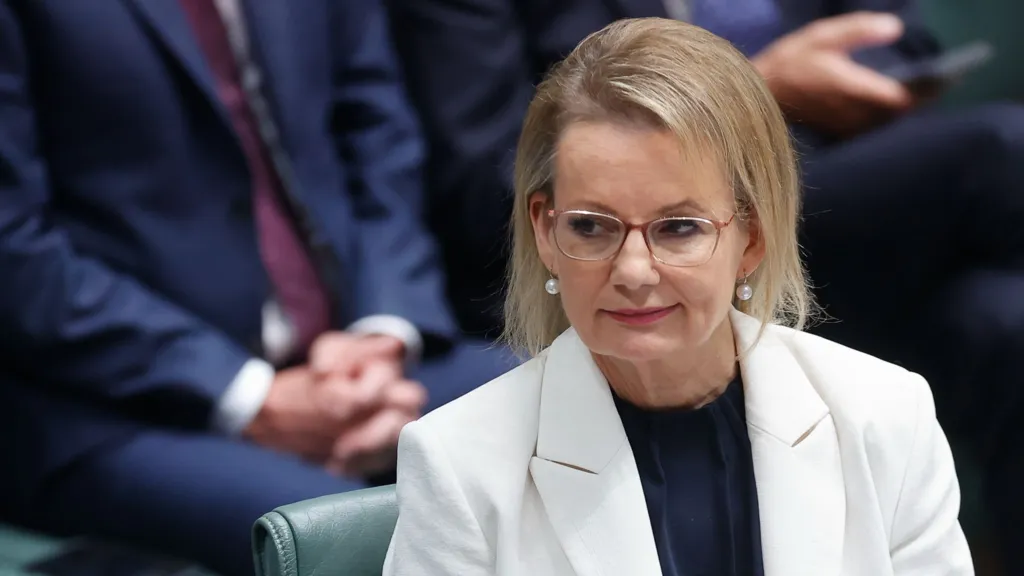
Australian Politics Faces Questions Over Gender Equality Amid Sussan Ley’s Appointment
-
 News7 hours ago
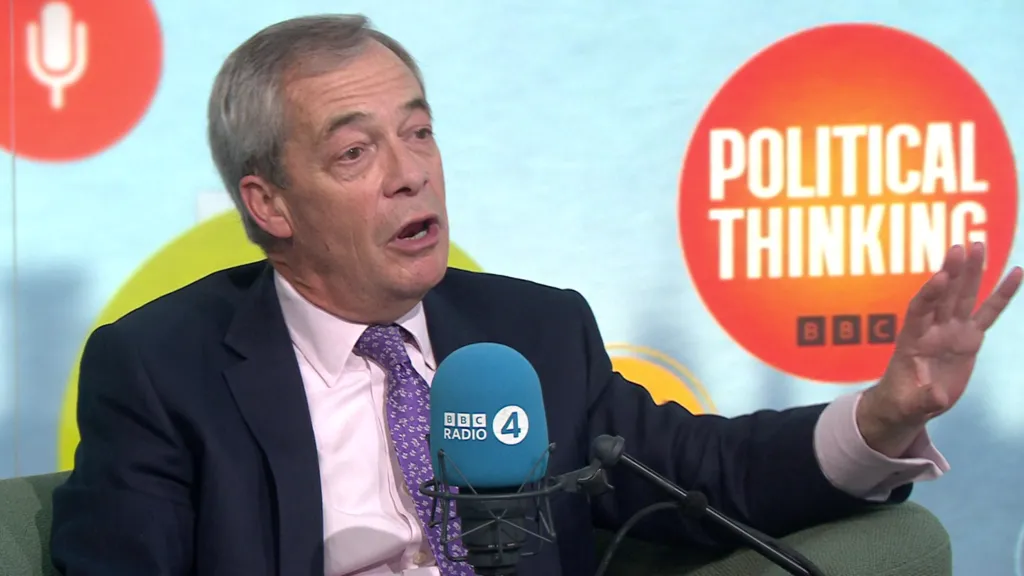
Farage Says Reform to Replace Traditional Tory Party
-
 News7 hours ago
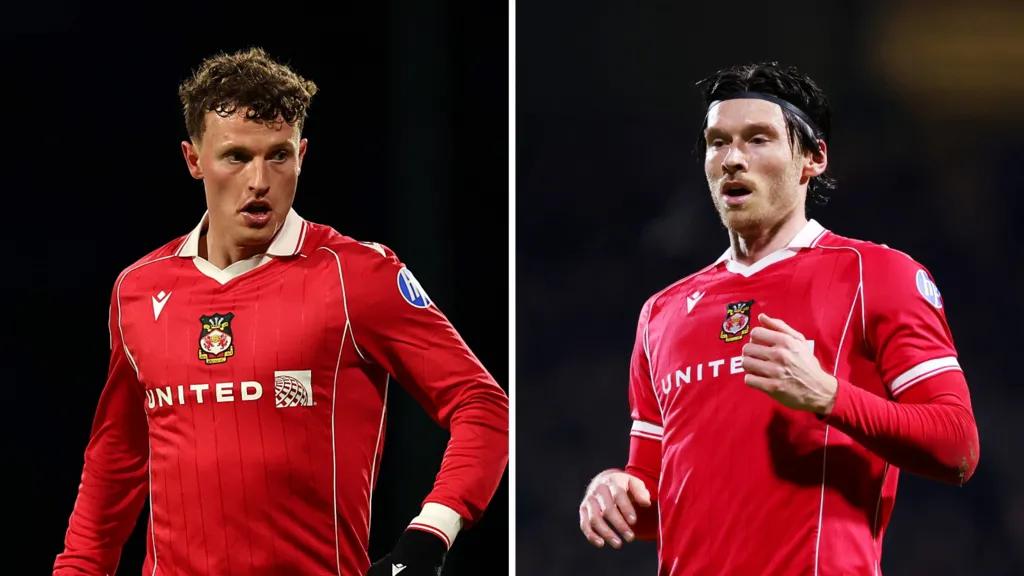
Wrexham Pair Seek Win Against Former Team Ipswich
-
 News12 hours ago
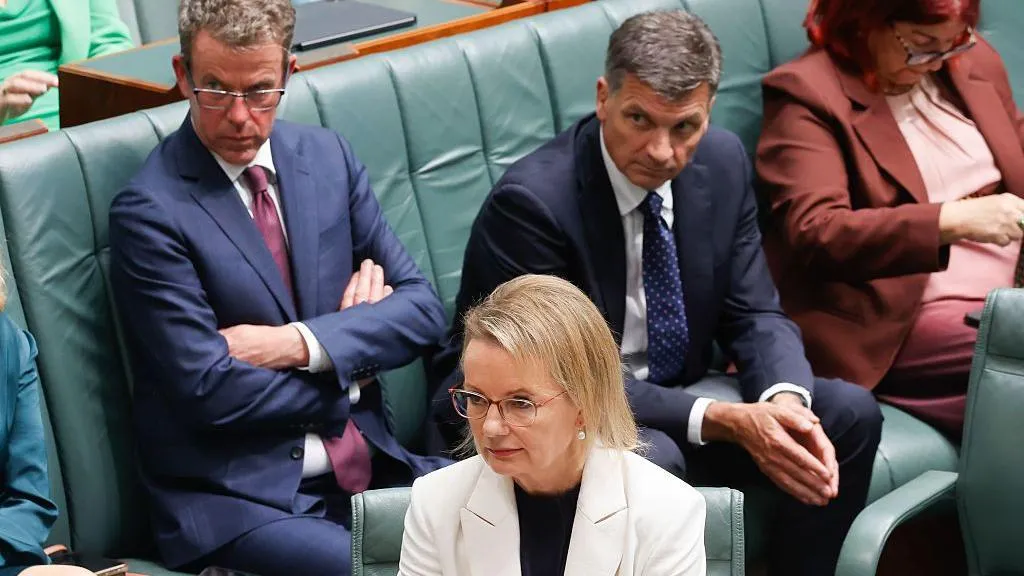
Liberal Party Removes Australia’s First Female Leader
-
 News10 hours ago
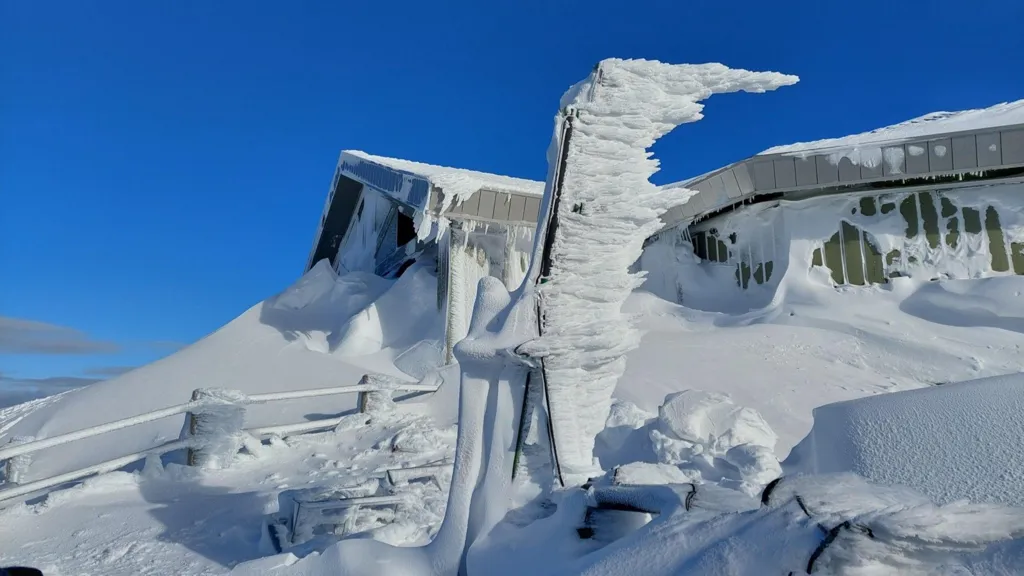
UK Braces for Cold Snap with Snow and Ice Alerts Expected
-
 News7 hours ago
Husband’s alleged £600k theft for sex and antiques blamed on drug side effects
-
 News2 days ago
Sunbed ads spreading harmful misinformation to young people
-
 Business12 hours ago
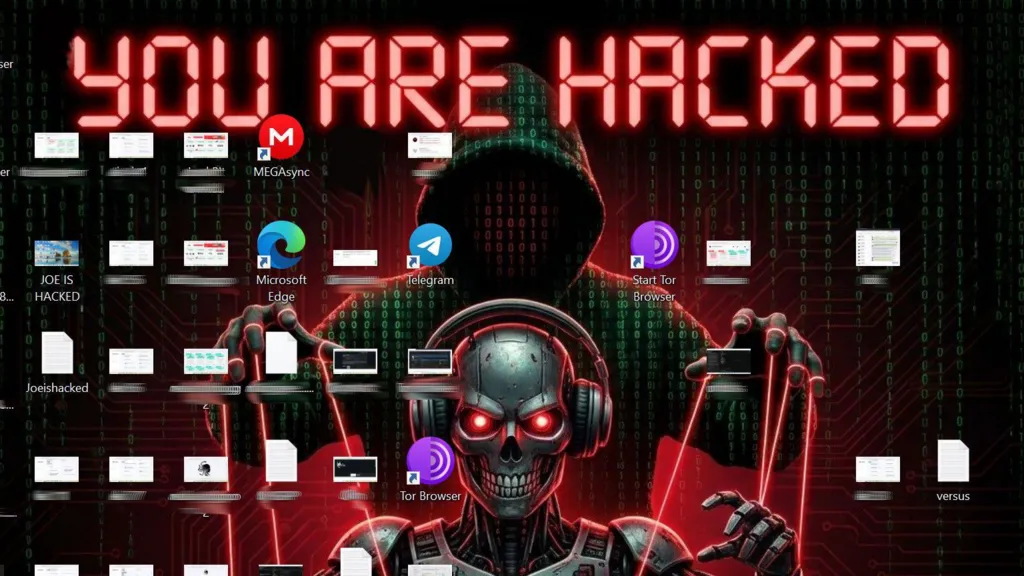
BBC Reporter Exposed to Cyber Attack Due to Vulnerabilities in AI Coding Tool