
News
Germany’s Merz Says Global Rules-Based Order Has Broken Down
At the Munich security summit, the German chancellor cautioned that individual freedoms are not assured in a world dominated by major powers.
German Chancellor Friedrich Merz has cautioned world leaders that the rules-based global order is no longer in effect, speaking at a prominent security summit.
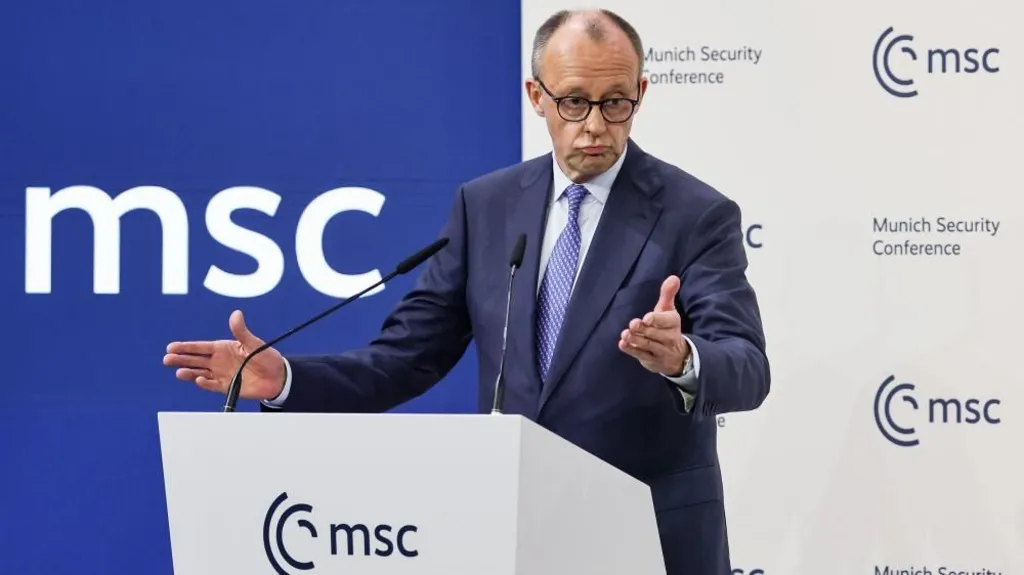
In his opening address at the Munich Security Conference, Merz emphasized that the freedom of Europeans is not guaranteed in the current era of major power politics, and that they must be prepared to make sacrifices.
Merz also acknowledged a significant rift between Europe and the United States, seemingly alluding to US President Donald Trump's controversial remarks about annexing Greenland and implementing tariffs on European nations.
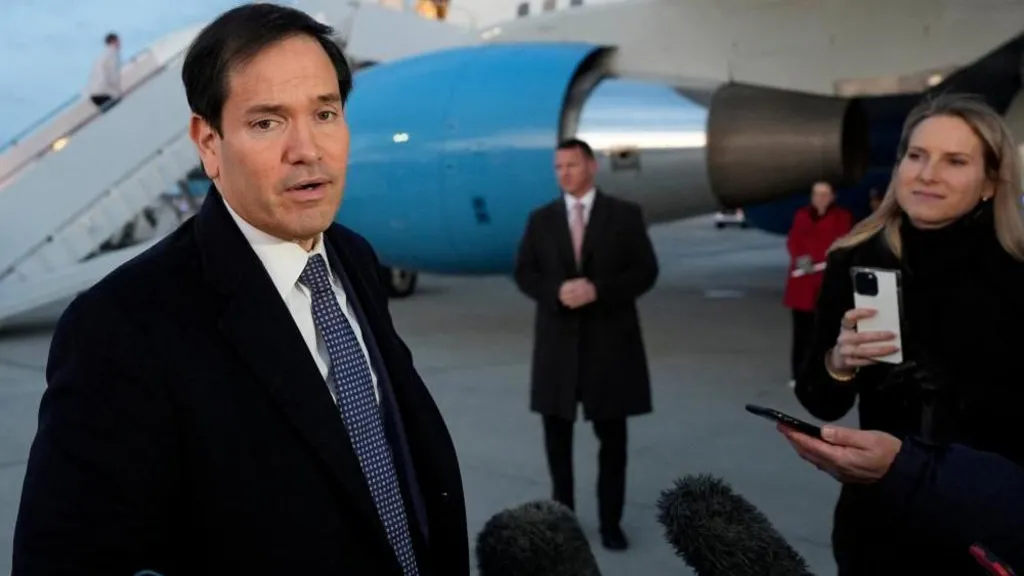
US Secretary of State Marco Rubio, who attended Merz's speech and is scheduled to deliver his own address on Saturday, previously discussed the emergence of a new geopolitical era.
Approximately 50 global leaders are expected to attend this year's conference, where key topics such as European defense and the future of transatlantic relations will be discussed.
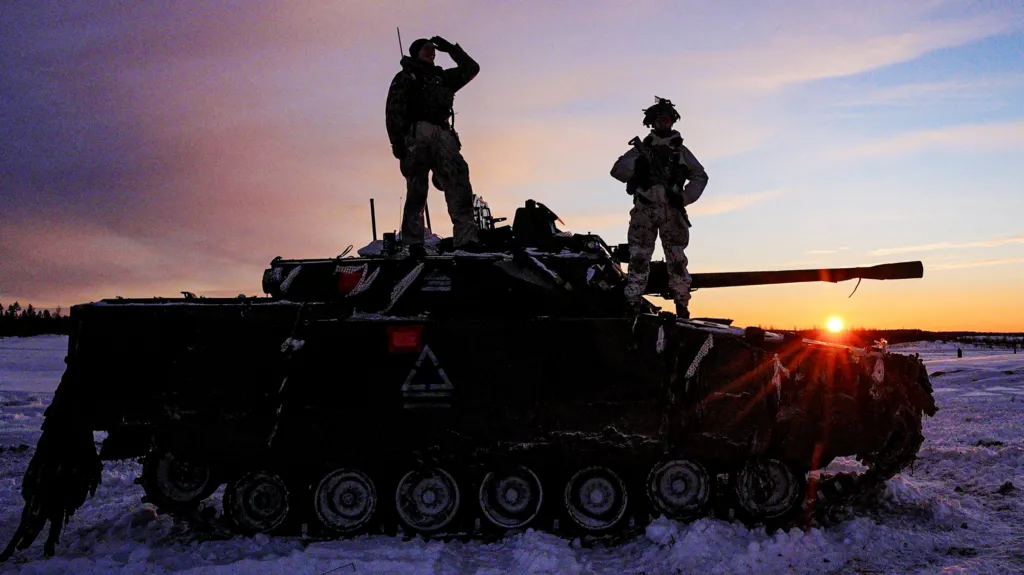
The conference takes place amidst uncertainty surrounding US commitments to the Nato military alliance, as well as concerns over Trump's aspirations to acquire Greenland, which have eroded trust between the US and its European allies.
The ongoing Russia-Ukraine conflict, tensions between the West and China, and potential developments in the Iran-US nuclear deal are also on the agenda at the annual gathering.
Merz warned the conference that the rules-based order has effectively ceased to exist, stating, "I fear we must be more direct: this order, despite its imperfections, no longer exists in its current form."
He also noted that a significant divide has emerged between Europe and the United States, referencing remarks made by Vice-President JD Vance at the Munich conference the previous year.
Merz emphasized that Europeans do not share the same cultural values as the US, particularly with regards to the MAGA movement, and that they prioritize human dignity, free trade, and the constitution over protectionism and tariffs.
Vance's speech last year sparked a year of unprecedented tension between the US and Europe, particularly with regards to policies on free speech and immigration.
Despite these challenges, Merz expressed his desire to revitalize and restore trust between the US and Europe, rather than abandoning their long-standing partnership.
The German leader also revealed that confidential discussions are underway with French President Macron to establish a joint European nuclear deterrent, although no further details were provided.
Currently, France and the UK are the only nuclear-armed nations in Europe, while other European countries, including Germany, have traditionally relied on the US nuclear umbrella within the Nato alliance for deterrence.
Prior to the Munich conference, Rubio cautioned that the world is undergoing rapid changes, and that this new era in geopolitics will require a re-examination of roles and relationships.
Rubio stated, "We are living in a new era of geopolitics, and it will necessitate a re-evaluation of our positions and the role we will play in this changing world."
Tensions have escalated in recent months due to Trump's repeated assertions that Greenland is crucial to US national security, claiming without evidence that the territory is frequented by Russian and Chinese ships.
On Friday, Danish Prime Minister Mette Frederiksen announced plans to meet with Rubio to discuss the US threats to Denmark's semi-autonomous territory of Greenland, which is a Nato ally.
News
UN Reports 6,000 Deaths in Sudan Conflict Over Three-Day Period
A United Nations report attributes the violent acts in el-Fasher to the paramilitary group known as the Rapid Support Forces (RSF).
A UN report citing victims and witnesses has revealed that over 6,000 lives were lost in a mere three-day period when Sudan's Rapid Support Forces (RSF) took control of the city of el-Fasher last year.
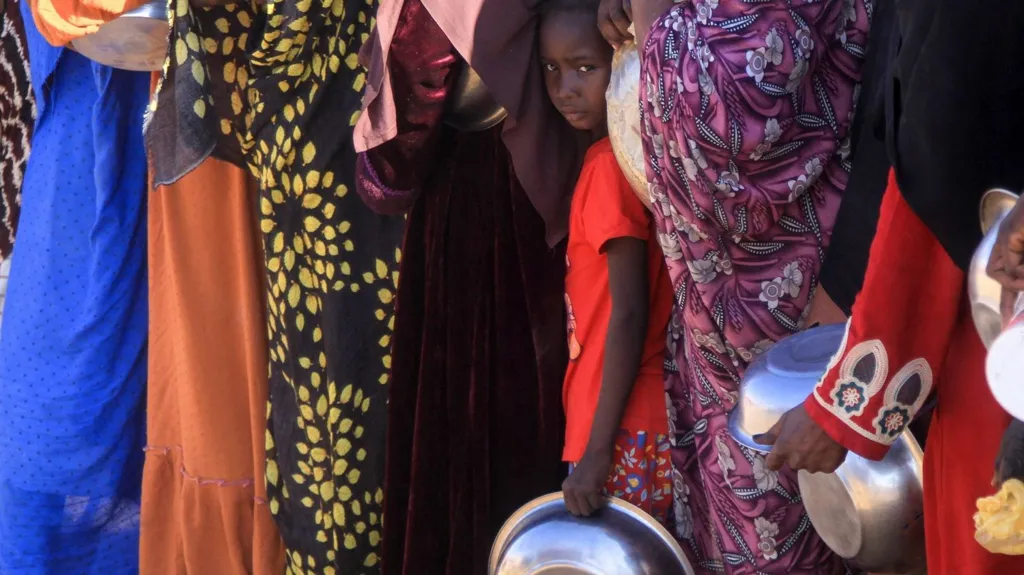
Witnesses described the scene as "apocalyptic" when RSF fighters opened fire on approximately 1,000 individuals seeking shelter in a university building last October, resulting in bodies being thrown into the air.
The report documents numerous instances of mass killings, summary executions, torture, abductions, and sexual violence perpetrated against civilians, which constitute war crimes and potential crimes against humanity.
Although the RSF has not commented on the report, they have previously denied similar allegations.
These findings are consistent with the pattern of abuses observed in previous RSF offensives.
Sudan is currently embroiled in a nearly three-year power struggle between the regular army and the RSF paramilitaries, resulting in the deaths of hundreds of thousands of people and the displacement of over 13 million individuals, with widespread sexual violence being employed as a tactic of war.
Both the RSF and the Sudanese Armed Forces have been implicated in committing atrocities.
The US and Human Rights Watch have expressed concerns that the RSF and its allies may be perpetrating genocide against the Massalit people and other non-Arab communities in the western Darfur region, although recent UN reports have stopped short of using this term.
El-Fasher, a strategic city in Darfur, was under siege for 18 months, yielding some of the most disturbing accounts to emerge from the conflict.
According to the UN Human Rights Office, over 140 victims and witnesses provided testimony in Sudan's Northern state and eastern Chad in late 2025.
The UN reports that at least 4,400 people were killed within el-Fasher during the initial days of the assault, and an additional 1,600 individuals lost their lives while fleeing along exit routes.
The report suggests that the actual death toll during the week-long offensive is likely significantly higher than reported.
UN Human Rights Chief Volker Türk has reiterated his calls for all parties involved in the Sudan conflict to put an end to the grave violations committed by forces under their command.
International pressure is mounting on the backers of the conflict to withdraw their support.
The UAE has denied allegations that it is the primary supplier of arms to RSF fighters.
The UK has imposed sanctions on six key figures accused of fueling Sudan's war, including senior commanders from the army and the RSF, as well as three foreign nationals allegedly involved in recruiting Colombian mercenaries to fight for the RSF.
British lawmakers have spoken out in parliament regarding UN claims that weapons lawfully sold by the UK to the UAE were subsequently re-sold to the RSF.
In response, Foreign Secretary Yvette Cooper stated that the UK has robust controls in place to prevent the diversion of arms exports and will continue to take this matter seriously.
A coalition linked to the RSF, known as the Sudan Founding Alliance, has announced plans to establish a rival Sudanese government in the western part of the country.
The African Union has rejected these plans, warning that such a move would jeopardize any prospects for unity.
The BBC World Service is launching a new season of its award-winning educational program Dars, aimed at supporting children in Sudan and other Arabic-speaking countries who are denied or restricted access to education.
The first episode aired on Saturday, 24 January, on BBC News Arabic TV, with new episodes broadcast weekly on Saturdays at 09:30 GMT and repeats on Sundays and throughout the week.
The program is also available on digital platforms, including the BBC News Arabic YouTube channel.
For more news from the African continent, visit BBCAfrica.com.

Entertainment And Arts
Eurovision 2026 Live Tour Delayed
The launch of the event, initially planned for London, has been postponed due to unforeseen circumstances.
European Broadcasting Union (EBU) officials have confirmed that the inaugural Eurovision Song Contest live tour will not take place as scheduled, citing unforeseen circumstances.

The tour, which was announced last month, had been slated to visit 10 European countries this summer, with its first stop at London's O2 Arena on June 15.
In a statement released on Friday, Martin Green, director of the Eurovision Song Contest, explained that the decision to postpone the tour was made due to unexpected challenges that could not be overcome despite the best efforts of the team.
Green expressed regret over the postponement, stating that the difficult decision was necessary due to unforeseen circumstances.
According to Green, the team had faced unexpected obstacles that could not be resolved, despite the collaborative efforts of the producers, promoters, and EBU staff.
Green assured fans who had purchased tickets that they would receive a full refund as soon as possible, thanking them for their support.
The Eurovision Song Contest live tour, initially planned as part of the contest's 70th-anniversary celebrations, will be relaunched at a later date, with the goal of delivering a world-class experience for fans.
Green emphasized that the primary focus remains on hosting a successful Eurovision Song Contest in May.
The now-postponed tour was set to feature some of the most iconic performers in the contest's history, as announced by the EBU in January.
Notable acts scheduled to appear included Johnny Logan, Katrina, Lordi, and Verka Serduchka.
The tour was also expected to include performances by 10 of this year's Eurovision entrants, as previously confirmed by the EBU.
The Eurovision Song Contest faced disruption in December when Iceland joined several other countries, including Spain, Ireland, Slovenia, and the Netherlands, in boycotting the 2026 competition.

The boycott was sparked by controversy surrounding Israel's participation, as well as allegations of unfair voting practices.
In response, the EBU announced plans to reform the voting rules to minimize government influence on the results.
A majority of EBU members voted in favor of the reforms, which would allow Israel to participate in the contest.
News
Police Launch Probe into Fatal Incident Involving Male Victim
A murder inquiry has been initiated by the Police Service of Northern Ireland after a man died in the southern area of Belfast.
A homicide inquiry is underway in south Belfast's Cromwell Road area after a man's death on Wednesday prompted a police investigation.

Emergency services responded to a report of a safety concern, which led to the discovery of the 33-year-old victim.
Despite being transported to a medical facility for treatment, the man succumbed to his injuries and was pronounced dead.
Detective Inspector Jack Kelly provided an update on the case, stating that a 32-year-old suspect, who was taken into custody in connection with the incident, is currently being held.
As the police investigation continues, authorities are urging anyone with relevant information to come forward and assist with their enquiries.
-
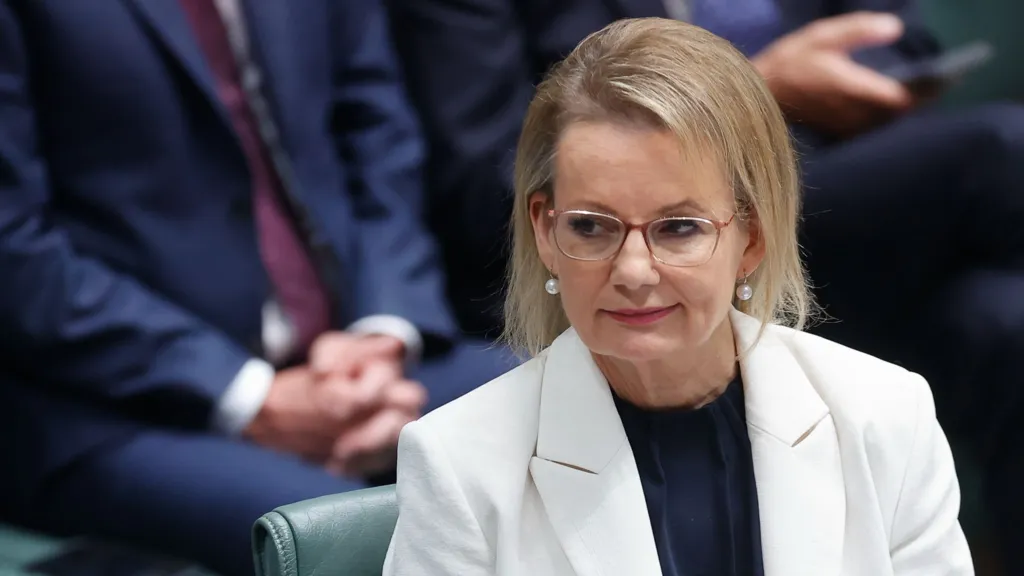 News15 hours ago
Australian Politics Faces Questions Over Gender Equality Amid Sussan Ley’s Appointment
-
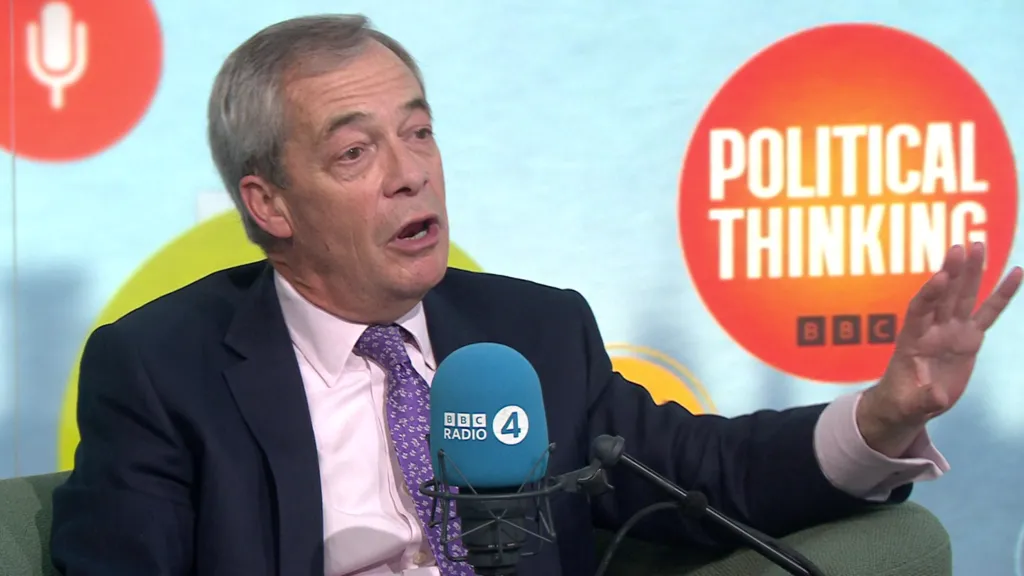 News12 hours ago
Farage Says Reform to Replace Traditional Tory Party
-
 News12 hours ago
Wrexham Pair Seek Win Against Former Team Ipswich
-
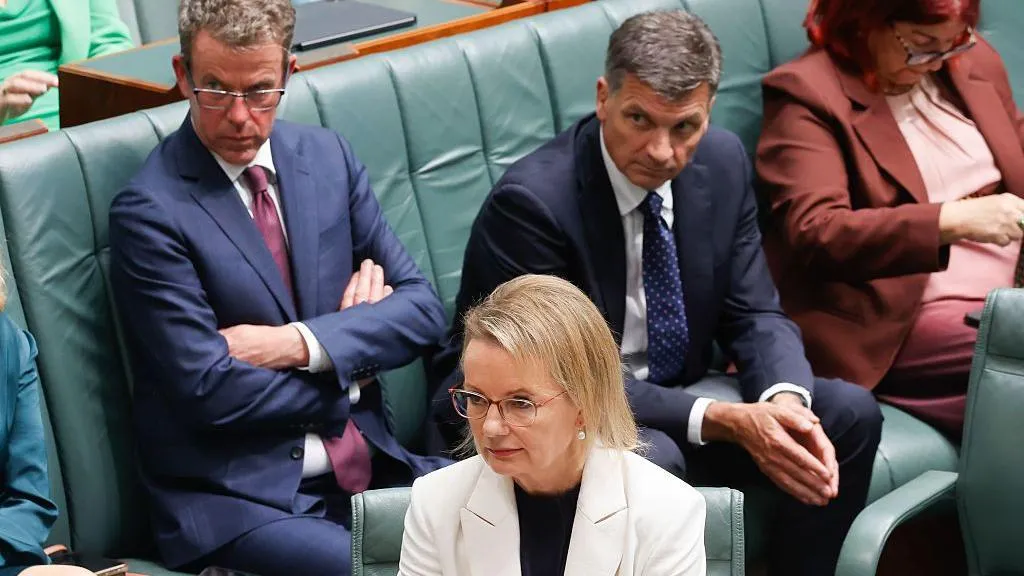 News17 hours ago
Liberal Party Removes Australia’s First Female Leader
-
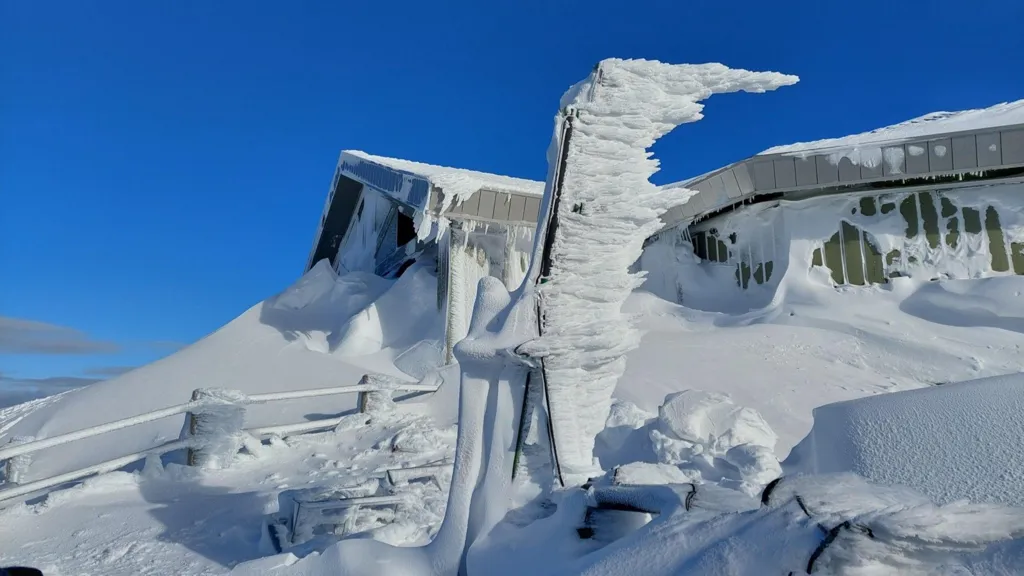 News15 hours ago
UK Braces for Cold Snap with Snow and Ice Alerts Expected
-
 News12 hours ago
Husband’s alleged £600k theft for sex and antiques blamed on drug side effects
-
 News3 days ago
Sunbed ads spreading harmful misinformation to young people
-
 Business18 hours ago
BBC Reporter Exposed to Cyber Attack Due to Vulnerabilities in AI Coding Tool