
Middle East
Iran protesters receive secret medical treatment to avoid arrest
Demonstrators who have been injured have informed the BBC that they are receiving medical care from healthcare workers who are providing treatment in private residences, despite the personal risks involved.
After receiving assistance from bystanders, Tara and her companion entered a vehicle, at which point she instructed the driver not to take them to a medical facility.
Tara and her friend had been participating in a demonstration in Isfahan, a city in central Iran, when security personnel arrived on the scene, riding motorcycles and addressing the crowd in a loud manner.
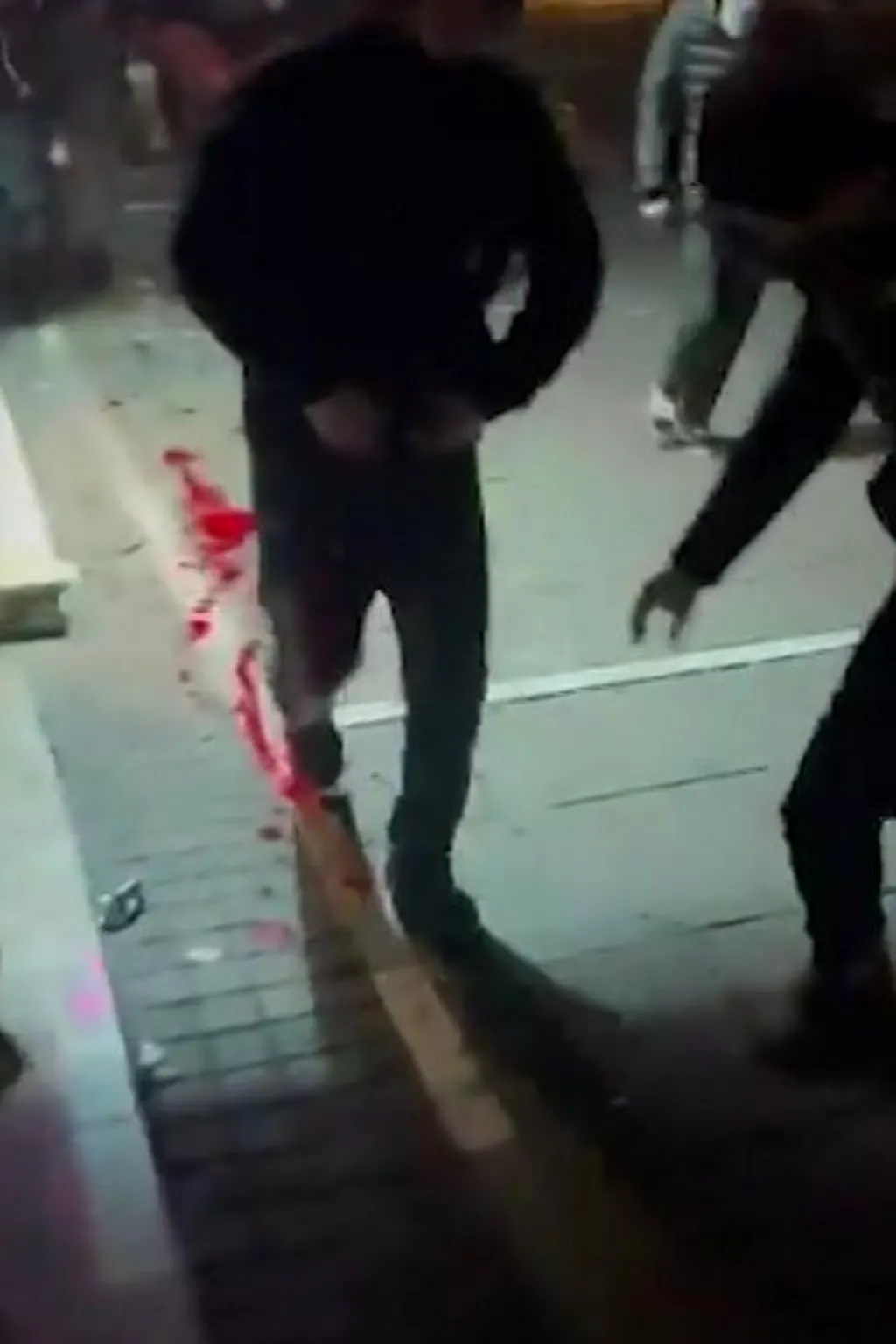
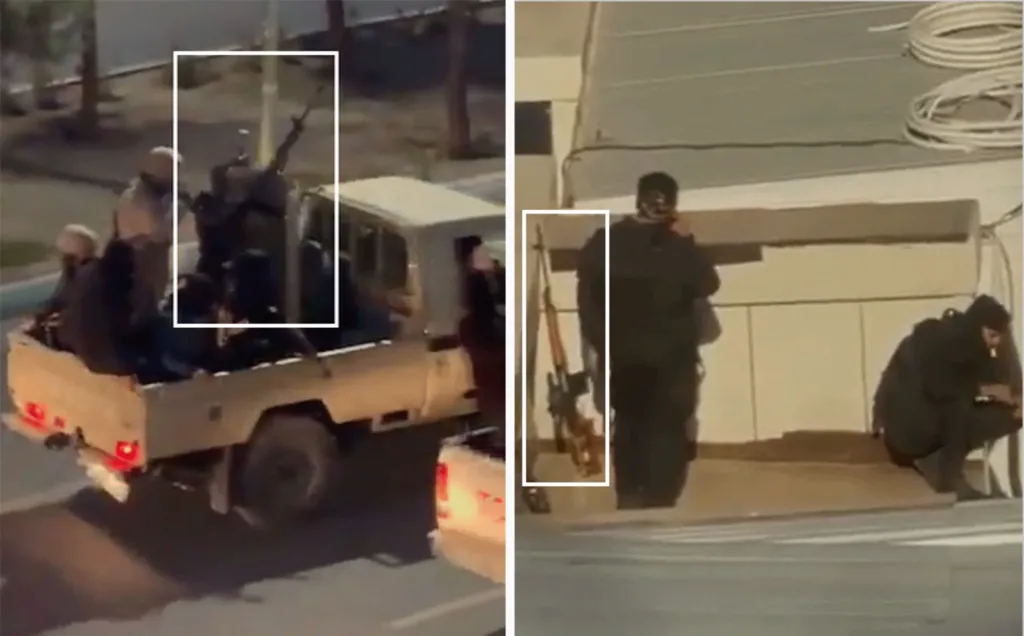
According to Tara, her friend appealed to an armed security force member, pleading with him not to open fire, but the individual nonetheless discharged his weapon multiple times, striking them and causing them to fall to the ground, resulting in their clothing being soaked in blood.
Tara and her friend were helped into a stranger's car, but their fear of potential arrest at a hospital led them to request alternative assistance; instead, Tara asked a couple standing outside their residence if they could take shelter with them, as the surrounding alleys were filled with security forces.
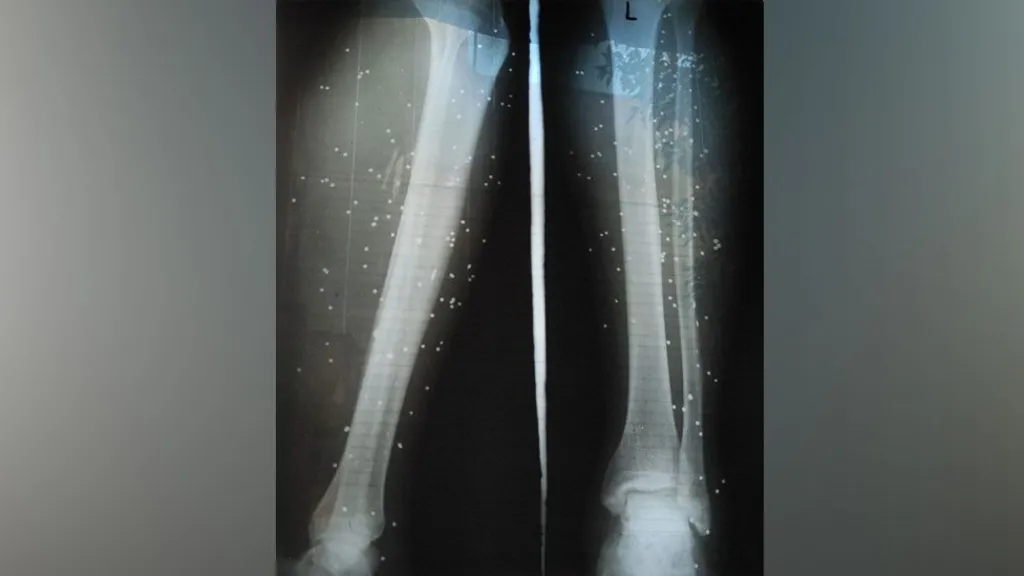
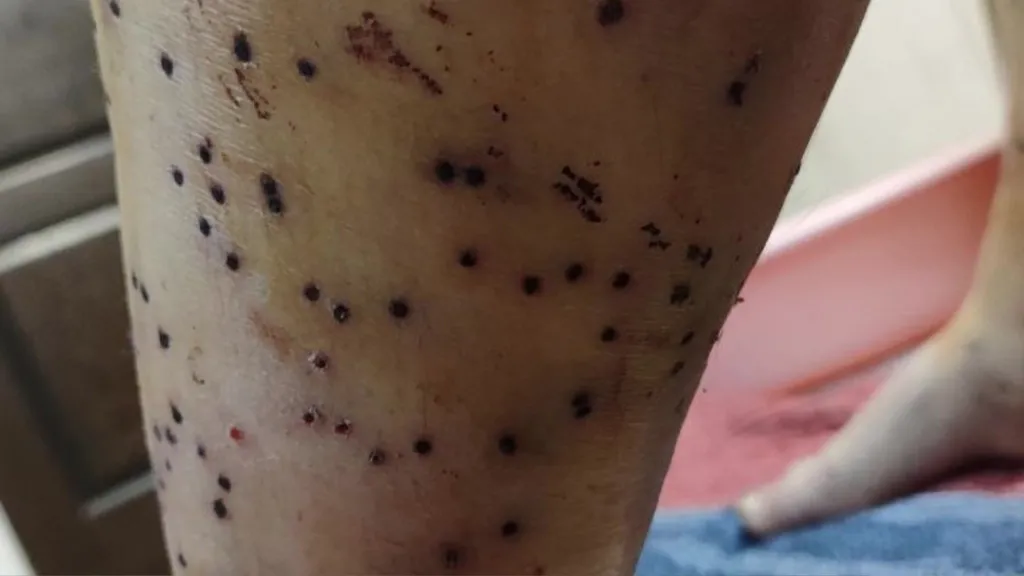
The couple provided them with temporary refuge until nearly dawn, at which point Tara and her friend were able to locate a doctor they were acquainted with, who proceeded to treat the birdshot injuries on their legs, as Tara reported.
According to her account, a surgeon was able to extract some of the birdshot in a home setting, but cautioned that not all of it could be removed and that some would remain embedded.
To protect their identities, all names mentioned in this article have been altered.
Readers are advised that this story includes graphic content and images that may be upsetting to some individuals.
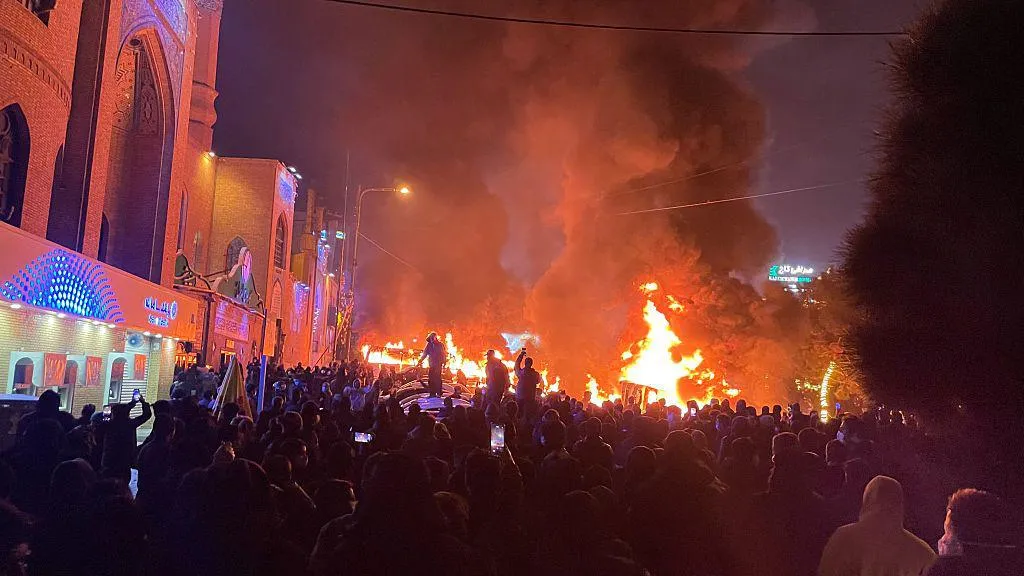
The extent of the violence stemming from the crackdown on anti-government demonstrations in Iran this month remains unclear due to restrictions on internet access and international media coverage.
The US-based Human Rights Activists News Agency (HRANA) reports that it has verified 6,301 fatalities, comprising 5,925 protesters, 112 minors, 50 bystanders, and 214 individuals affiliated with the government, with an additional 17,091 reported deaths currently under investigation.
HRANA reports that an additional 11,000 protesters suffered serious injuries, highlighting the scale of the crackdown.
Certain individuals have shared with the BBC their reluctance to visit hospitals for medical attention, citing concerns about potential arrest.
As a result, these individuals have had to rely on clandestine medical care provided by doctors, nurses, and volunteers who put themselves at risk by treating patients in private residences.
According to accounts from healthcare professionals who spoke to the BBC, hospitals are being monitored by security personnel, who are scrutinizing patient records to detect and identify protesters in need of medical attention.
On 8 January, a Tehran-based surgeon named Nima recounted witnessing numerous young people injured during the violent suppression of protests while he was commuting to work.
In an interview with the BBC, a individual recounted how he transported a wounded person to the hospital in the trunk of his vehicle, citing concerns about potential repercussions if they were to be stopped by law enforcement.
According to Nima, he was detained by armed officers, but they permitted him to proceed after verifying his hospital identification.
The medical team worked continuously for nearly 96 hours, with no breaks or rest, as they performed surgeries amidst tears, without anyone voicing complaints about the exhausting ordeal.
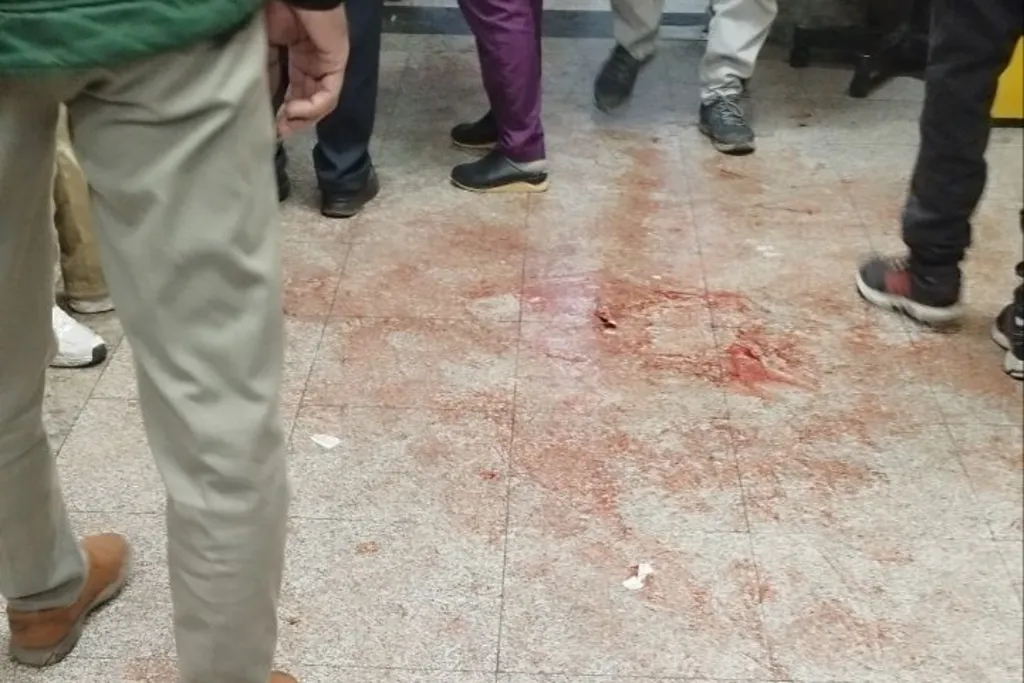
The extent of the bloodshed was evident in the fact that all attire, including hospital gowns, outerwear, and undergarments, were thoroughly soaked in the blood of the young patients.
Nima shared an account of performing surgery on a protester who had sustained gunshot wounds to both his leg and face.
The doctor described a particularly severe injury, where a bullet penetrated the chin, caused damage to the mouth, and then exited through the upper jaw.
According to Nima, numerous young patients at his hospital suffered severe gunshot wounds, resulting in the loss of limbs and permanent damage to vital organs, which required amputations.
Official Iranian reports state that the death toll has exceeded 3,100, with the majority of fatalities being security personnel or bystanders allegedly attacked by protesters.
Hossein Shokri, a health ministry spokesman, cited by the Tasnim news agency, reported that medical staff performed approximately 13,000 surgical operations during the period of unrest.
Shokri noted that trust in the health ministry and hospitals has been maintained, with around 3,000 individuals who had been self-treating at home for the past six days deciding to seek medical attention at hospitals, a development he considered positive.
Dr Qasem Fakhrai, director of the Farabi Eye Hospital in Tehran, informed the semi-official news agency Isna that, as of January 10, the hospital had provided emergency surgical care to 700 patients with severe eye injuries, transferring nearly 200 to other medical facilities. The majority of these patients were admitted following January 8.
In an interview with the BBC, Saeed recounted an incident involving his friend, who suffered eye injuries from birdshot allegedly fired by security forces during a demonstration in Arak, a city located in central Iran.
Saeed's friend was advised by local medical professionals to seek specialized care at a prominent eye hospital in Tehran.
Upon arriving at the hospital, nursing staff escorted patients with eye injuries to operating rooms via staff elevators, using an alternate route at the rear of the facility.
According to Saeed's friend, the hospital was treating approximately 200 individuals with eye injuries, who had traveled from various cities to receive medical attention.
According to Saeed, the individual in question underwent two surgical procedures, yet the surgeon waived the fees for these operations.
A healthcare professional in Tehran reported that medical staff were omitting references to gunshot wounds from patient records due to intense scrutiny by security personnel.
Following his brother's injury during protests in Tehran, where he suffered leg wounds, Sina transported him to a medical facility for treatment.
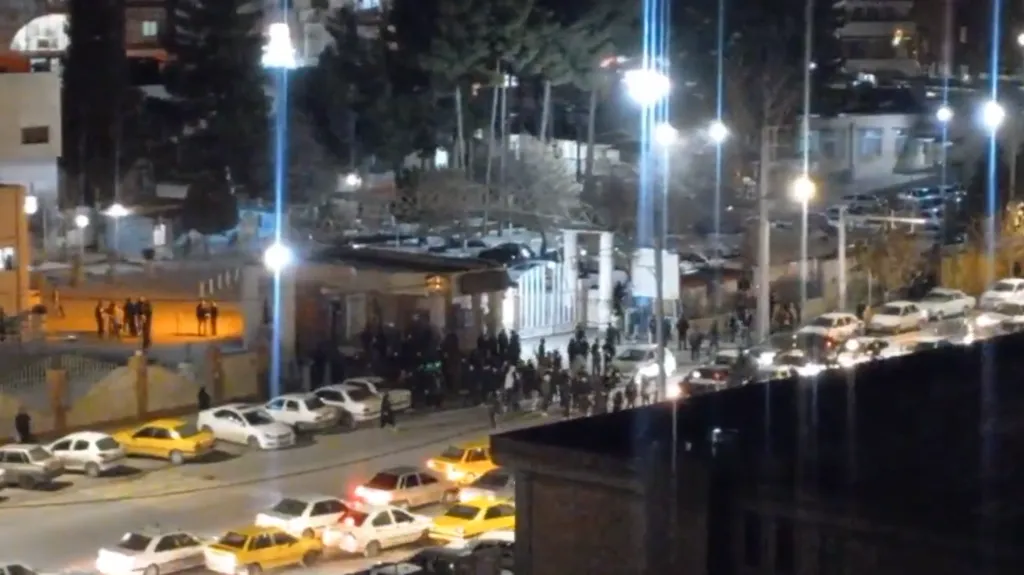
Describing the scene at the hospital, Sina recounted to the BBC that it resembled a combat zone, with an overwhelming number of wounded individuals and a severe shortage of basic necessities like blankets and medical supplies.
Sina recalled that when he requested a blanket for his injured brother from a nurse, she replied that he should procure one from their home, citing the large number of injured patients and the resulting depletion of hospital resources.
According to Sina, providing their genuine ID number was a necessity to access health insurance benefits, citing the constant threat of security forces raiding their home at any moment.
The situation in smaller cities is thought to be particularly severe, with concerns about the impact on local communities.
The BBC has received reports alleging that security forces have taken patients from hospitals, and their whereabouts remain unknown.
Human rights organizations have reported that medical personnel and others who treated injured protesters are now facing targeting by security forces.
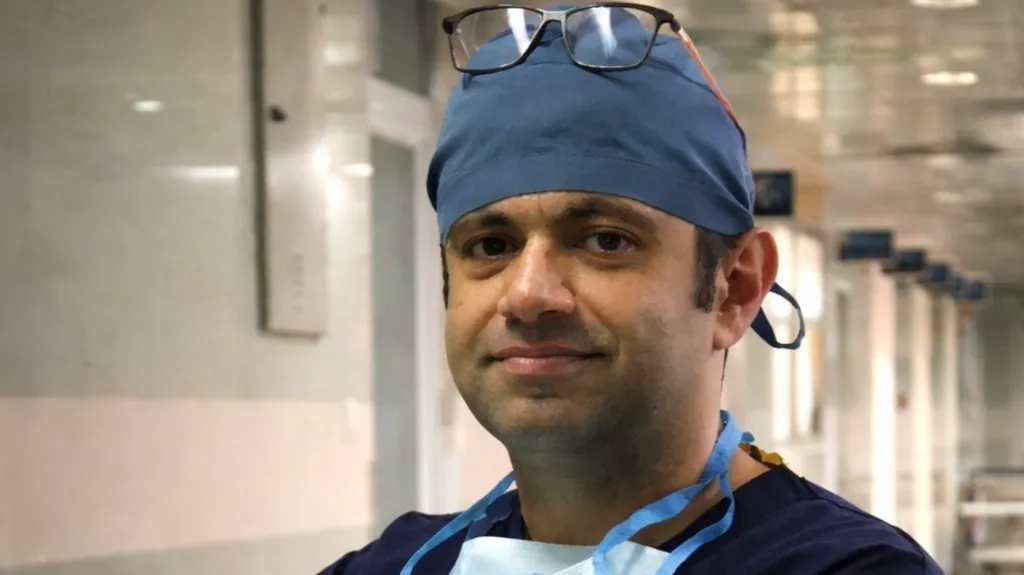
Iran Human Rights (IHR) recently stated that its sources in Iran confirmed the detention of at least five doctors and one volunteer first responder, according to information received last week.
A Norway-based organization has expressed concern that the actions of security agencies, including the arrest of medical professionals and raids on makeshift medical facilities, may be intended to deter the public and hinder medical care for injured protesters.
According to sources familiar with the case, Dr Alireza Golchini, a surgeon from Qazvin, was allegedly assaulted by security personnel during his arrest at his residence, reportedly due to his involvement in treating protesters who had been injured.
It is reported that Dr Golchini has been charged with "moharebeh", a serious offence under Iranian law that can potentially result in the death penalty, highlighting the severe consequences faced by those accused of such crimes.
Middle East
BBC reports from Tehran as Iran commemorates Islamic revolution anniversary
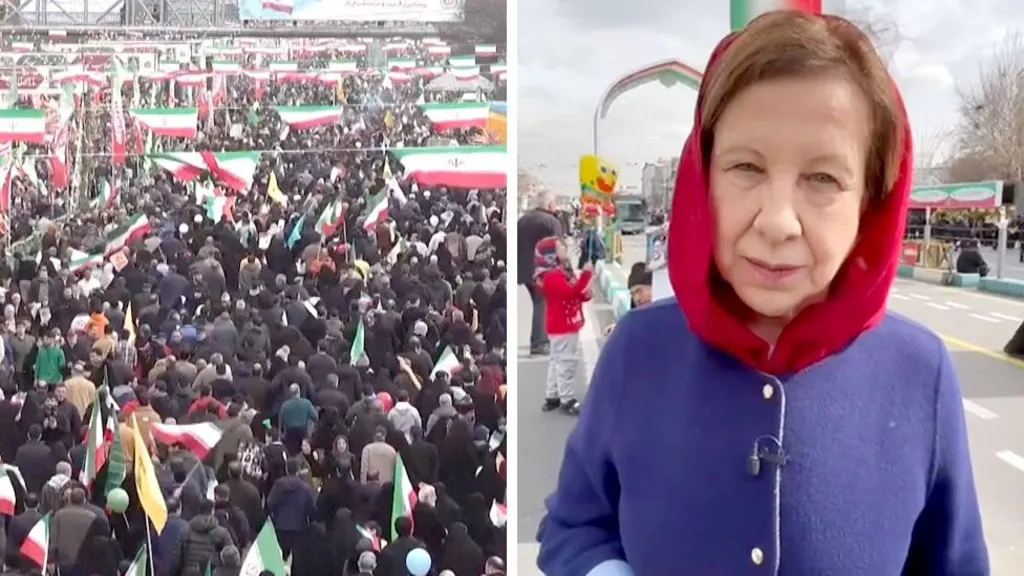
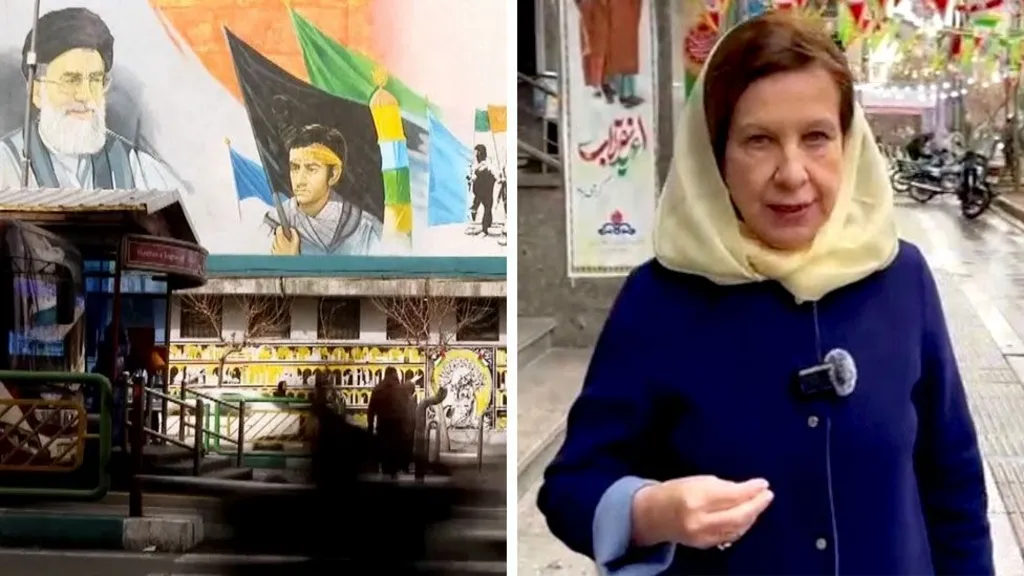
BBC correspondent Lyse Doucet has arrived in Iran, marking her first visit to the country since authorities suppressed widespread demonstrations against the government.
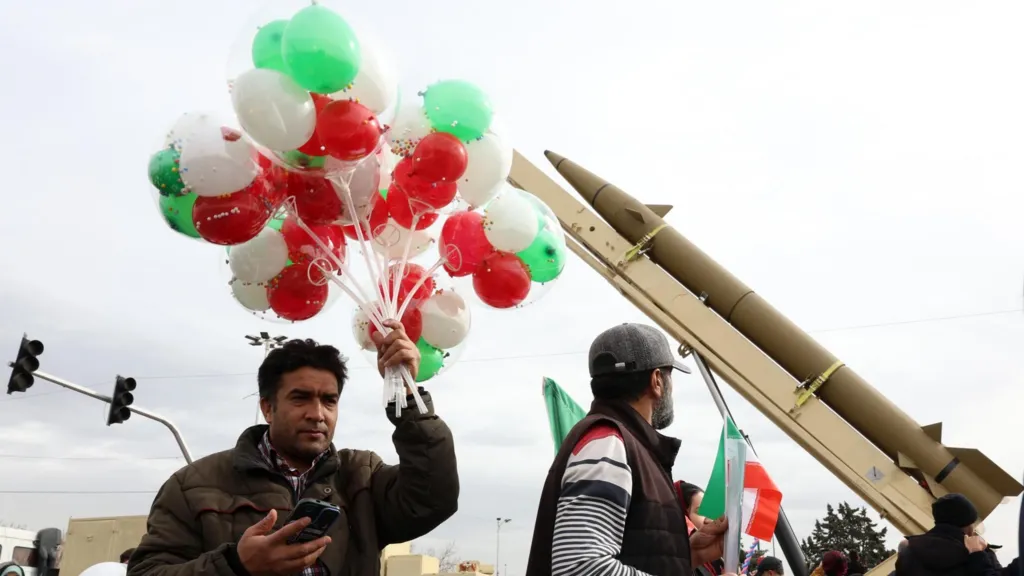
Iran's government has staged a display of strength to commemorate the 47th anniversary of the Islamic revolution, following a period of intense repression of anti-government demonstrations.
The BBC has gained access to Tehran for the first time since the authorities' crackdown on protests, which resulted in the deaths of at least 6,490 people, according to estimates by human rights activists.
Lyse Doucet, the BBC's chief international correspondent, observes that the capital's streets, adorned with festive decorations and filled with crowds of supporters, reflect the government's desired image of a unified nation, with Iranians demonstrating their allegiance to the Islamic Republic and its founding revolution.
Middle East
BBC reports from Tehran for the first time since the protest crackdown
In Iran, the aftermath of the government’s crackdown on protests remains a sensitive issue, with the effects of the unusually strong measures still being felt, according to Lyse Doucet, reporting from the country.
For the first time since a nationwide crackdown on anti-government demonstrations, a BBC team has entered Iran to report on the current situation.
As Iran commemorates the 47th anniversary of the Islamic Revolution, the streets of Tehran are adorned with festive decorations, yet the memory of the recent protests and the subsequent use of force by security personnel remains a sensitive issue.
According to human rights activists, the confirmed number of protester fatalities stands at a minimum of 6,400, although they caution that the actual death toll may ultimately be significantly higher.
Asia
Indonesia plans to deploy up to 8,000 troops to Gaza
As part of the second phase of the ceasefire agreement facilitated by the US in the previous year, this nation would become the first to take such action.
Indonesia is making preparations to deploy a contingent of up to 8,000 soldiers to Gaza, marking the first such commitment under the second phase of a ceasefire agreement facilitated by the United States towards the end of last year.
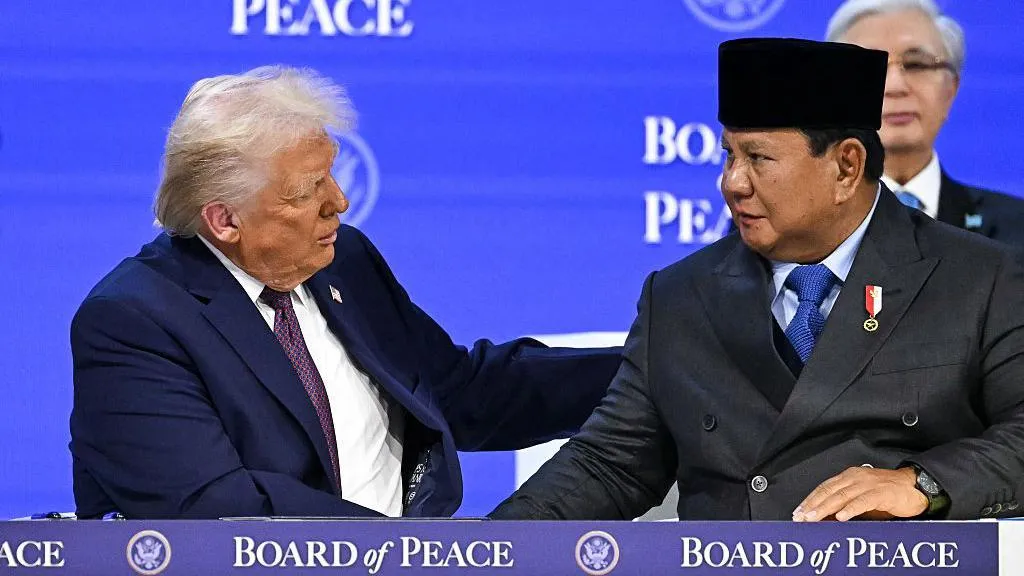
According to General Maruli Simanjuntak, the army's chief of staff, training for these troops is already underway, with a focus on providing medical and engineering support in Gaza.
Indonesia has recently joined the Board of Peace initiated by President Donald Trump, an announcement that was made last month.
The United Nations Security Council has given Indonesia a mandate to establish an International Stabilization Force, tasked with securing border areas in Gaza and overseeing the demilitarization of the territory, including the disarmament of Hamas.
The Board of Peace, scheduled to convene for the first time in Washington on February 19, will also play a role in overseeing the establishment of a new technocratic government in Gaza and guiding post-conflict reconstruction efforts.
While the specifics of the Indonesian troop deployment, including timing and role, have yet to be finalized, it appears that President Prabowo Subianto is moving forward with the plan.
President Subianto's decision to participate in Trump's Board of Peace has drawn criticism from certain Islamic groups within Indonesia, where there is significant public discontent regarding the US role in Israel's military actions in Gaza.
President Subianto has countered that, as the world's most populous Muslim nation, Indonesia has a responsibility to contribute to stabilizing Gaza, with the ultimate goal of achieving a two-state solution to the Israeli-Palestinian conflict.
A report by Israel's public broadcaster Kan indicates that a location in southern Gaza, situated between Rafah and Khan Younis, has been designated for the Indonesian army to construct barracks that will accommodate several thousand troops.
Other Muslim countries, including Turkey and Pakistan, are considering troop deployments as well, but have emphasized that their roles would be limited to peacekeeping and would not involve participation in the planned disarmament of Hamas.
However, given Hamas's refusal to disarm as long as Israel maintains its presence in parts of Gaza, a lasting peace that an international force could support has yet to be achieved.
-
 News8 hours ago
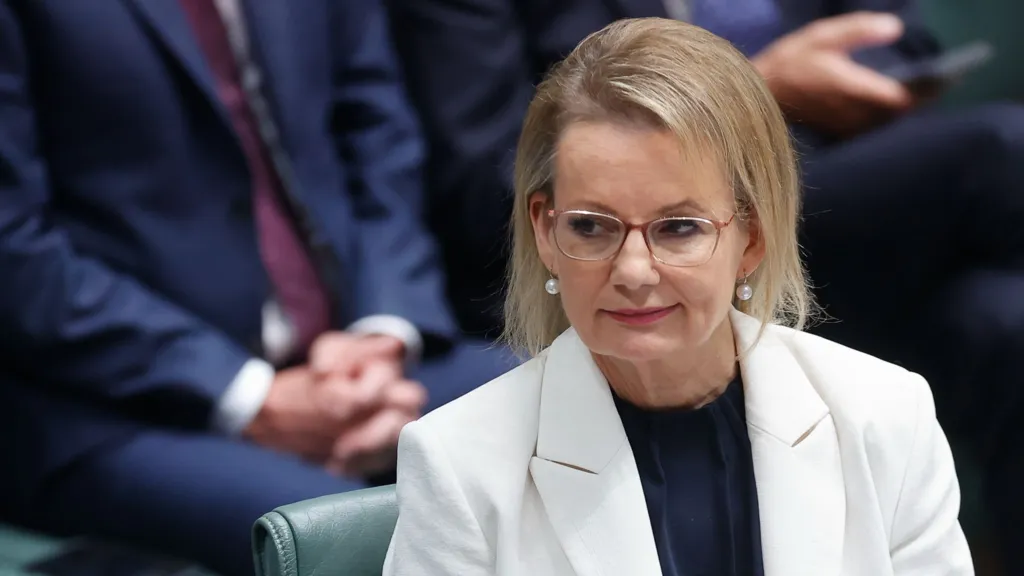
Australian Politics Faces Questions Over Gender Equality Amid Sussan Ley’s Appointment
-
 News5 hours ago
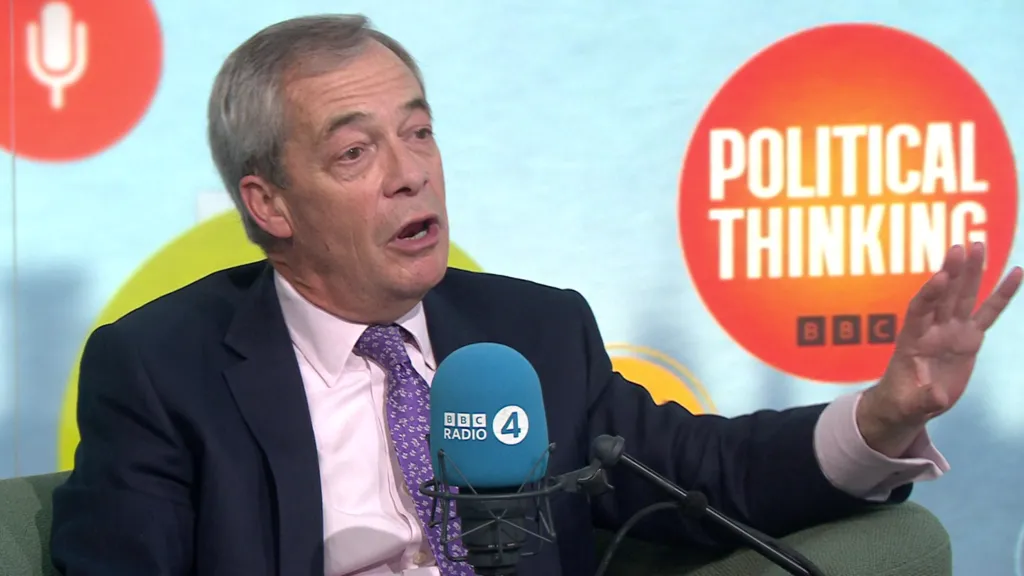
Farage Says Reform to Replace Traditional Tory Party
-
 News5 hours ago
Wrexham Pair Seek Win Against Former Team Ipswich
-
 News11 hours ago
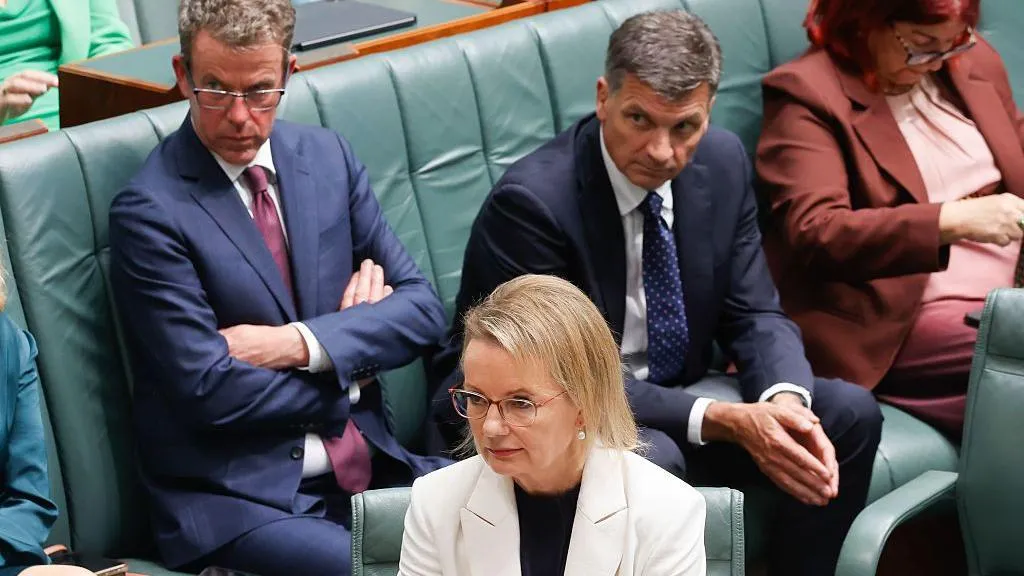
Liberal Party Removes Australia’s First Female Leader
-
 News9 hours ago
UK Braces for Cold Snap with Snow and Ice Alerts Expected
-
 News5 hours ago
Husband’s alleged £600k theft for sex and antiques blamed on drug side effects
-
 News2 days ago
Sunbed ads spreading harmful misinformation to young people
-
 Business11 hours ago
BBC Reporter Exposed to Cyber Attack Due to Vulnerabilities in AI Coding Tool