
Middle East
Iran’s internet blackout raises concerns of digital isolation
According to FilterWatch, a monitor of internet activity, there are concerns that the government is attempting to restrict the nation’s access to global online networks.
A severe internet blackout has entered its 10th day in Iran, affecting the country's 92 million citizens, who have been denied access to all internet services, as well as experiencing disruptions to phone and text messaging.
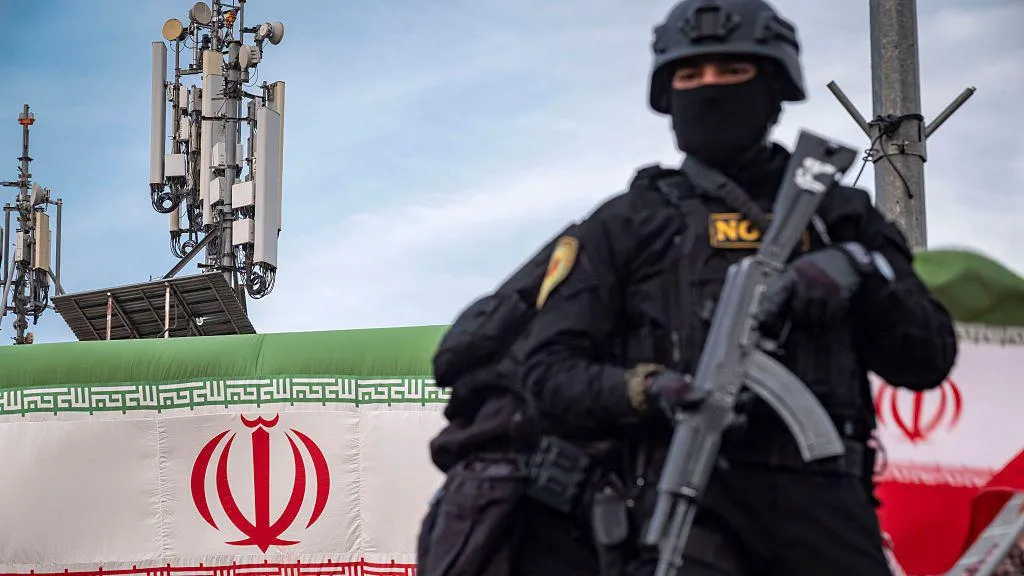
The Iranian government initiated the internet shutdown on January 8, in an apparent bid to suppress dissenting voices and evade international scrutiny of its response to protests.
According to Iranian Foreign Minister Abbas Araghchi, the internet blackout was implemented as a response to what he termed "externally directed terrorist operations".
While the government has not provided a timeline for the restoration of internet services, recent reports indicate that authorities may be secretly planning to impose permanent restrictions on internet access.
On January 15, IranWire reported that government spokesperson Fatemeh Mohajerani informed journalists that international internet access is unlikely to be restored before the Iranian New Year, which falls in late March.
According to FilterWatch, a group monitoring internet freedom, the Iranian government is rapidly introducing new measures to restrict the country's access to the global internet.
FilterWatch reports that, based on information from unnamed government sources, the reinstatement of international internet access is unlikely, and even if it happens, the experience will be vastly different from what it was before.
Although the BBC has not been able to confirm the report or its timeline, interviews with journalists at BBC Persian suggest that a return to normal internet access is not expected in the near future.
For years, Iran has exercised strict control over the internet, blocking most Western social media platforms and news websites, including BBC News, while allowing limited access to certain online services.
Despite these restrictions, many Iranians have found ways to access popular platforms like Instagram by utilizing Virtual Private Networks, or VPNs, to bypass the government's internet controls.
According to Access Now, a organization advocating for internet freedom, Iran has a history of implementing internet shutdowns to conceal widespread violence and suppress protests, as evidenced by the nationwide shutdowns that occurred in November 2019 and September 2022.
Another instance of a shutdown was recorded during the conflict between Iran and Israel in June 2025.
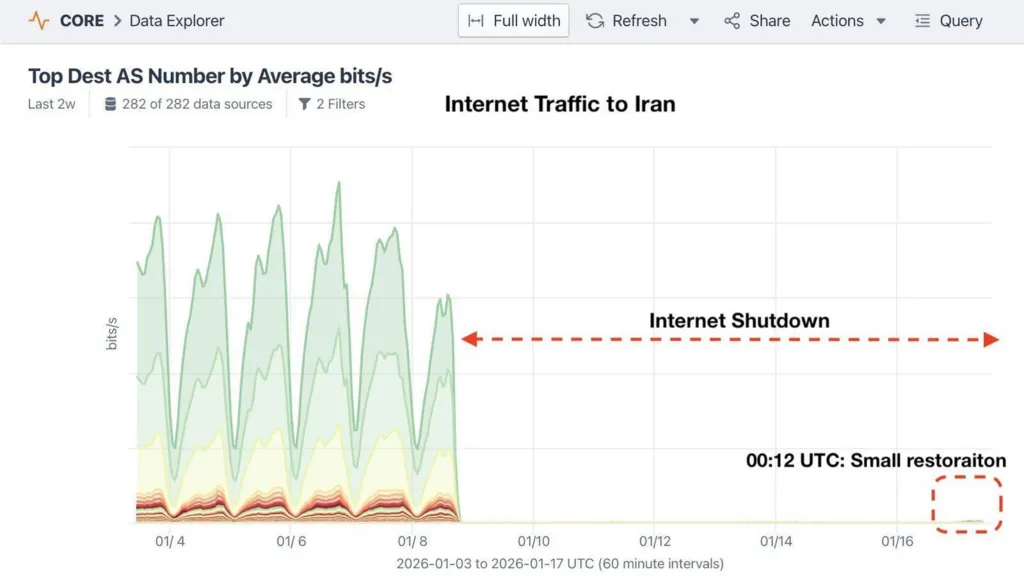
Notably, the ongoing internet blackout has surpassed the duration of all previous shutdowns in the country.
Access Now has issued a public statement emphasizing the need for immediate and full restoration of internet services.
The organization noted that limiting access to essential online services can have severe consequences, including putting lives at risk and enabling authorities to hide and avoid accountability for human rights violations.
The shutdown in Iran is taking a toll on the livelihoods of its citizens, with the e-commerce sector being particularly hard hit by the disruptions.
According to data from the Human Rights Activists News Agency (HRANA) as of 18 January, at least 3,300 protester deaths have been confirmed, while an additional 4,380 cases are pending review. Furthermore, the agency reports that over 24,266 individuals have been arrested across 187 cities.
It is suspected that the actual number of fatalities and detentions exceeds the current estimates, but the lack of transparency and access to information makes it challenging to verify these figures.
FilterWatch, an initiative that monitors internet activity, warns that the recent shutdown marks the beginning of a more severe era of "digital isolation," characterized by heightened surveillance of online activities.
Amir Rashidi, director of cyber security and digital rights at the Miaan Group, the organization behind FilterWatch, shared his concerns with the BBC, suggesting that the authorities may be transitioning towards a system where access to the global internet is no longer universal, but rather subject to individual approval.
A registration and vetting process is likely to be the gateway for access, with the necessary technical infrastructure already in place for several years, according to available information.
FilterWatch reports that discussions about the plans are being kept under wraps, with key decision-making authority shifting from civilian ministries to security agencies.
The drive to shield Iran from cyber threats, which have resulted in numerous high-profile and disruptive incidents in recent years, may be a factor behind these stringent measures.
Analysts warn that the plans may not come to fruition or could be enforced inconsistently, due to internal power struggles and the impact of economic and technical challenges.
Amir Rashidi points out that the potential risks for internet providers, as well as the ability of users to find workarounds or switch to alternative platforms, could introduce additional complexities to the implementation process.
Reports suggest that Iran may be adopting a model similar to those implemented in Russia and China, where governments exert significant control over online activities.
China has established itself as a global leader in internet regulation, exercising substantial control over both domestic online discourse and access to international content.
The Great Chinese Firewall restricts citizens' access to the global internet, blocking Western platforms such as Facebook, Instagram, and YouTube, which can only be accessed through virtual private networks (VPNs), whose usage is becoming increasingly difficult.
In 2019, Russia initiated trials for a nationwide project, known as Ru-net, aimed at creating a centralized system similar to China's.
Unlike China, which integrated state control into its internet infrastructure from the outset, Russia is faced with the challenge of incorporating state control into existing, complex systems, a process that requires significant retrofits.
Russia is reportedly taking a significant step towards controlling its online presence by developing a "kill switch" that would disconnect the country from the global internet in times of crisis, surpassing even China's measures.
The proposed system would enable internal online activity to continue, effectively creating a digital boundary that prevents external traffic from entering or leaving the country, although its implementation has yet to be thoroughly tested.
According to recent reports, Iran appears to be adopting a hybrid approach to internet regulation, blending elements of China's and Russia's control mechanisms to create a unique system of its own.
Prof Alan Woodward, a computer security expert at Surrey University in the UK, has analyzed the reports and notes that Iran seems to be moving towards a system where all electronic access would require government approval, effectively isolating citizens from unregulated online activity.
In Prof Woodward's assessment, the Iranian government may be leveraging the current blackout to accelerate its long-term plans for internet control, using the opportunity to implement the necessary technical and administrative changes while online services are already suspended.
According to Amir Rashidi, the implementation of such systems is no longer a matter of technical capability, but rather a question of political resolve.
The emergence of internet services like Starlink, which operate via Low Earth Orbit (LEO) satellites, has introduced new challenges for Iran in its efforts to control the flow of information during protests.
By utilizing LEO internet services, users can circumvent censorship and shutdowns, establishing connections through satellites instead of traditional infrastructure.
While the Iranian government has managed to disrupt some Starlink signals, the BBC has confirmed that other terminals continue to function after the company updated its firmware, effectively evading the government's attempts to block the service.
As the owner of Starlink, Elon Musk's company has taken steps to support Iranian users, including waiving subscription fees for those in the country.
Woodward remains hopeful about the internet's future, despite the growing array of tools being utilized by repressive governments to restrict online access.
He points to recent developments in Low Earth Orbit (LEO) technology and the increasing capability of mobile devices to connect with satellites, enabling functions such as sending SOS messages even when internet connectivity is unavailable.
Additionally, new applications are emerging that employ mesh networks, which utilize Bluetooth to establish connections in areas lacking traditional internet infrastructure.
According to Woodward, "it is nearly inevitable that internet access will become universally available, but a cat-and-mouse game will likely persist between repressive regimes and those seeking to maintain online freedom."
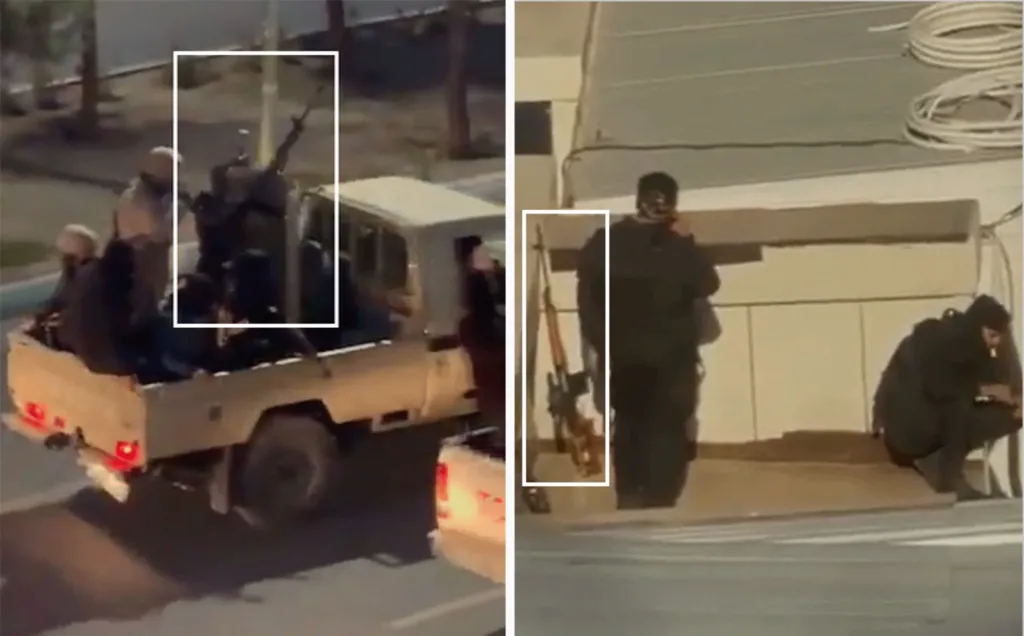

Middle East
BBC reports from Tehran as Iran commemorates Islamic revolution anniversary
BBC correspondent Lyse Doucet has arrived in Iran, marking her first visit to the country since authorities suppressed widespread demonstrations against the government.
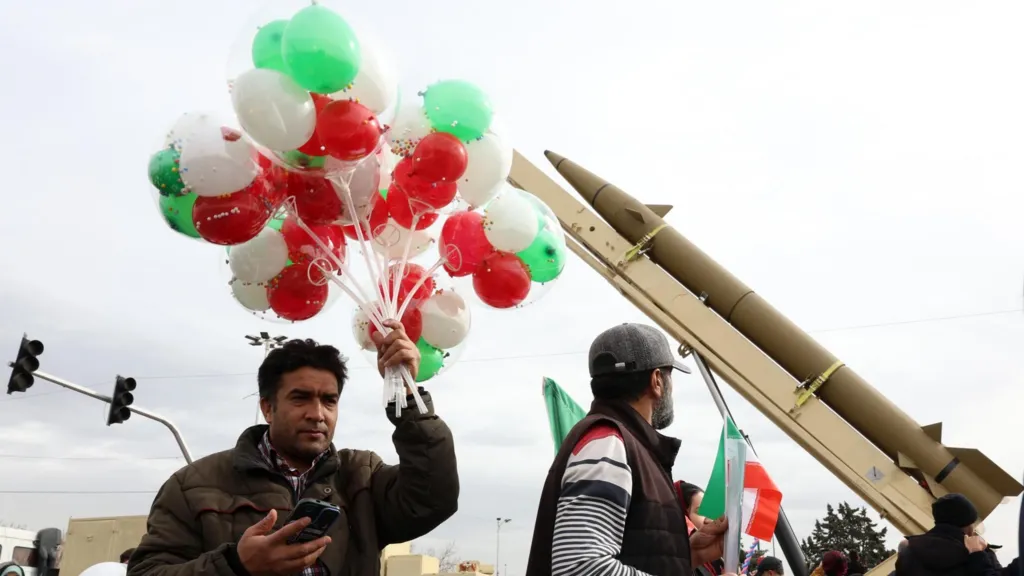
Iran's government has staged a display of strength to commemorate the 47th anniversary of the Islamic revolution, following a period of intense repression of anti-government demonstrations.
The BBC has gained access to Tehran for the first time since the authorities' crackdown on protests, which resulted in the deaths of at least 6,490 people, according to estimates by human rights activists.
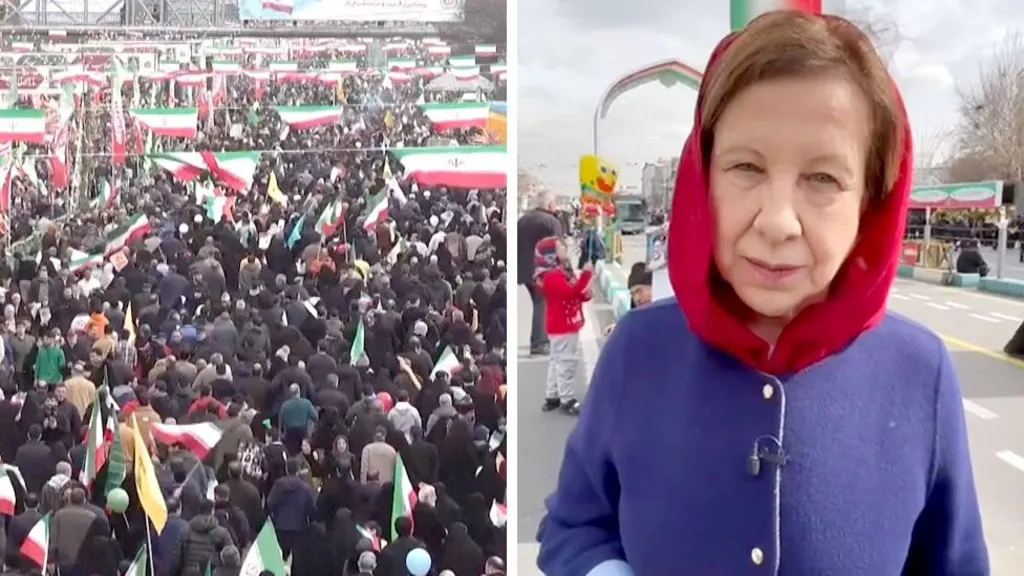
Lyse Doucet, the BBC's chief international correspondent, observes that the capital's streets, adorned with festive decorations and filled with crowds of supporters, reflect the government's desired image of a unified nation, with Iranians demonstrating their allegiance to the Islamic Republic and its founding revolution.
Middle East
BBC reports from Tehran for the first time since the protest crackdown
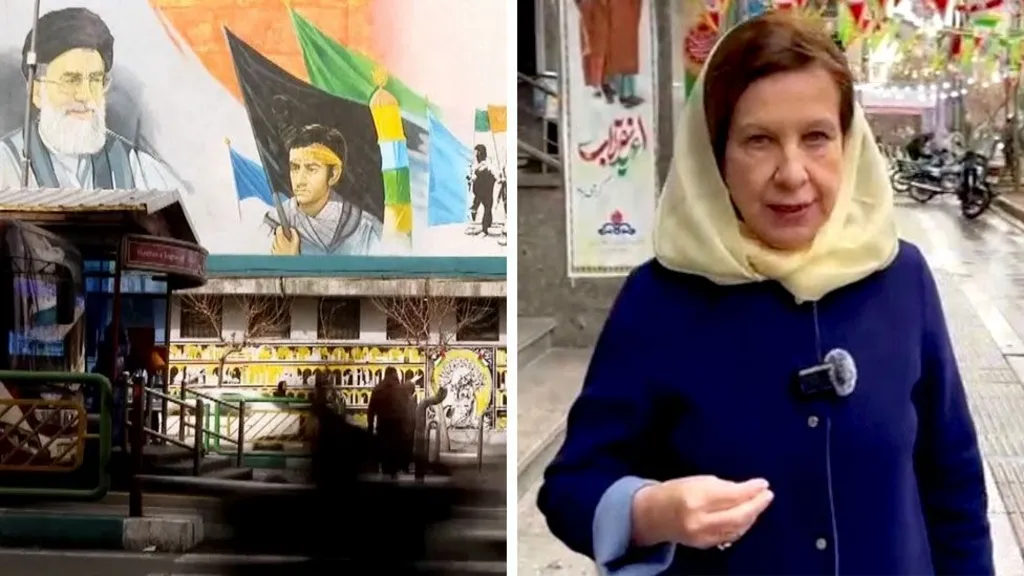
In Iran, the aftermath of the government’s crackdown on protests remains a sensitive issue, with the effects of the unusually strong measures still being felt, according to Lyse Doucet, reporting from the country.
For the first time since a nationwide crackdown on anti-government demonstrations, a BBC team has entered Iran to report on the current situation.
As Iran commemorates the 47th anniversary of the Islamic Revolution, the streets of Tehran are adorned with festive decorations, yet the memory of the recent protests and the subsequent use of force by security personnel remains a sensitive issue.
According to human rights activists, the confirmed number of protester fatalities stands at a minimum of 6,400, although they caution that the actual death toll may ultimately be significantly higher.
Asia
Indonesia plans to deploy up to 8,000 troops to Gaza
As part of the second phase of the ceasefire agreement facilitated by the US in the previous year, this nation would become the first to take such action.
Indonesia is making preparations to deploy a contingent of up to 8,000 soldiers to Gaza, marking the first such commitment under the second phase of a ceasefire agreement facilitated by the United States towards the end of last year.
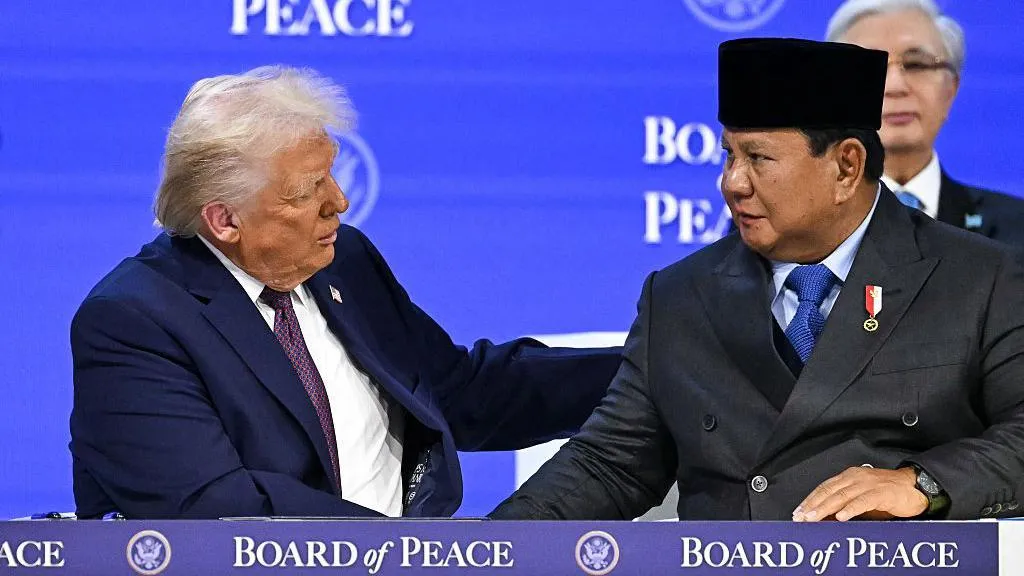
According to General Maruli Simanjuntak, the army's chief of staff, training for these troops is already underway, with a focus on providing medical and engineering support in Gaza.
Indonesia has recently joined the Board of Peace initiated by President Donald Trump, an announcement that was made last month.
The United Nations Security Council has given Indonesia a mandate to establish an International Stabilization Force, tasked with securing border areas in Gaza and overseeing the demilitarization of the territory, including the disarmament of Hamas.
The Board of Peace, scheduled to convene for the first time in Washington on February 19, will also play a role in overseeing the establishment of a new technocratic government in Gaza and guiding post-conflict reconstruction efforts.
While the specifics of the Indonesian troop deployment, including timing and role, have yet to be finalized, it appears that President Prabowo Subianto is moving forward with the plan.
President Subianto's decision to participate in Trump's Board of Peace has drawn criticism from certain Islamic groups within Indonesia, where there is significant public discontent regarding the US role in Israel's military actions in Gaza.
President Subianto has countered that, as the world's most populous Muslim nation, Indonesia has a responsibility to contribute to stabilizing Gaza, with the ultimate goal of achieving a two-state solution to the Israeli-Palestinian conflict.
A report by Israel's public broadcaster Kan indicates that a location in southern Gaza, situated between Rafah and Khan Younis, has been designated for the Indonesian army to construct barracks that will accommodate several thousand troops.
Other Muslim countries, including Turkey and Pakistan, are considering troop deployments as well, but have emphasized that their roles would be limited to peacekeeping and would not involve participation in the planned disarmament of Hamas.
However, given Hamas's refusal to disarm as long as Israel maintains its presence in parts of Gaza, a lasting peace that an international force could support has yet to be achieved.
-
 News11 hours ago
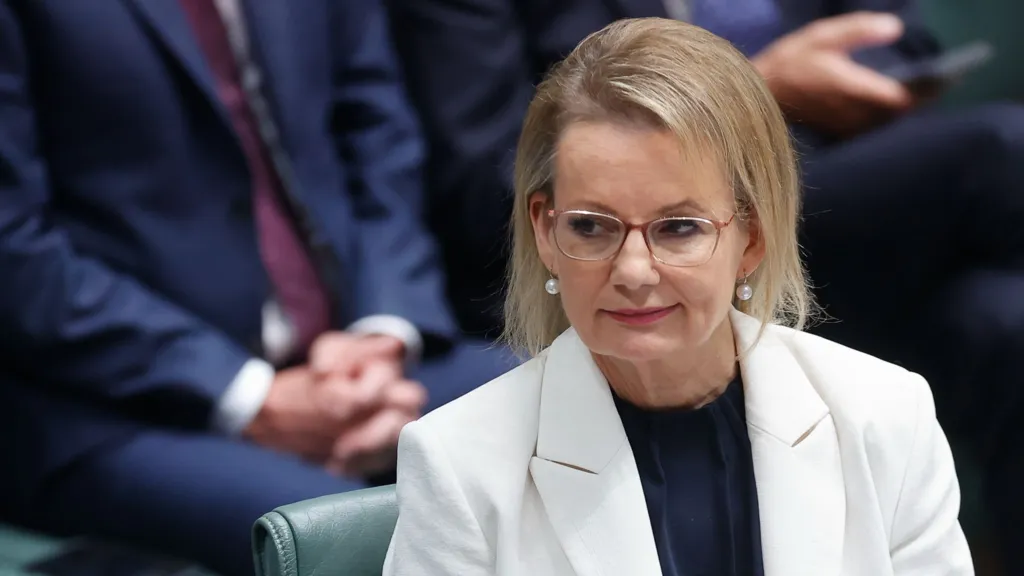
Australian Politics Faces Questions Over Gender Equality Amid Sussan Ley’s Appointment
-
 News8 hours ago
Farage Says Reform to Replace Traditional Tory Party
-
 News8 hours ago
Wrexham Pair Seek Win Against Former Team Ipswich
-
 News13 hours ago
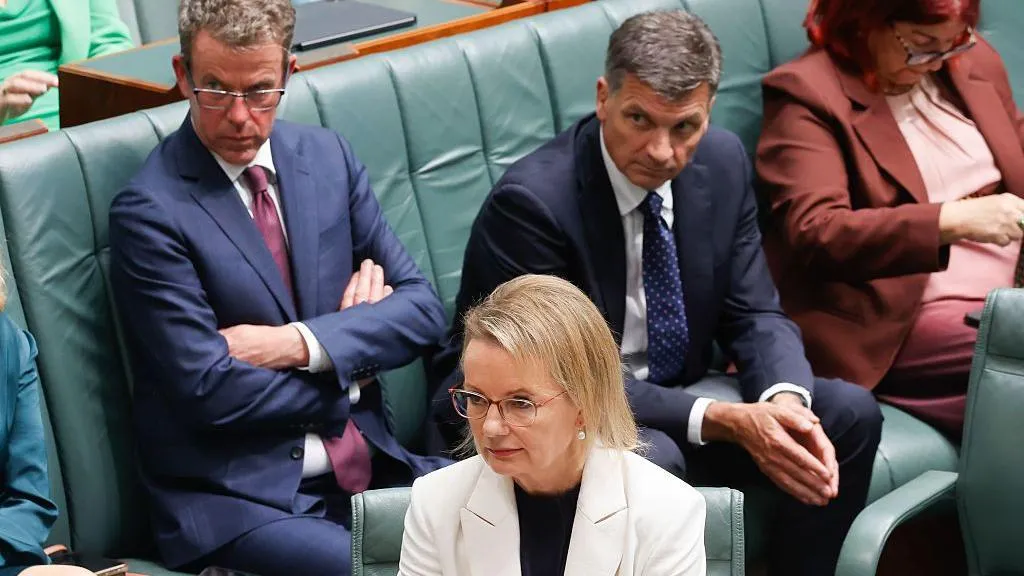
Liberal Party Removes Australia’s First Female Leader
-
 News11 hours ago
UK Braces for Cold Snap with Snow and Ice Alerts Expected
-
 News8 hours ago
Husband’s alleged £600k theft for sex and antiques blamed on drug side effects
-
 News2 days ago
Sunbed ads spreading harmful misinformation to young people
-
 Business14 hours ago
BBC Reporter Exposed to Cyber Attack Due to Vulnerabilities in AI Coding Tool