
Middle East
Gazans describe rigorous checks at Rafah crossing
At an Israeli checkpoint within Gaza, a Palestinian woman reported that her group was searched, along with their possessions, by members of a militia tied to Israel.
On Monday, two women from Gaza who crossed into Egypt via the recently reopened Rafah crossing shared their experience with the BBC, describing an encounter with a Palestinian militia group allegedly tied to Israel at an Israeli military checkpoint within the Gaza Strip.
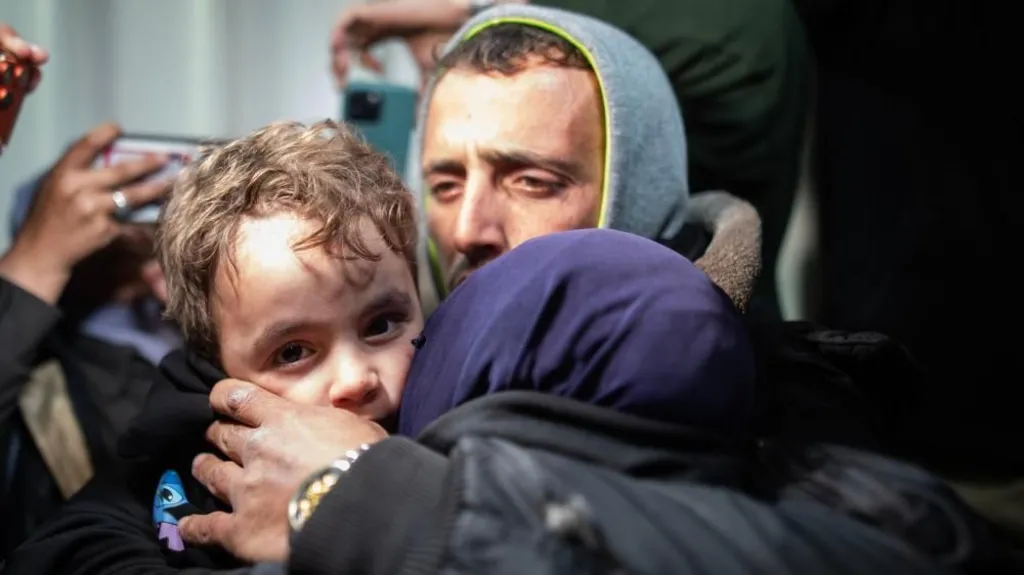
According to Lamia Rabia, who was traveling with her children, Israeli personnel escorted them from the border to a nearby checkpoint, where they were then searched by members of the Abu Shabab militia, also referred to as the Popular Forces.
Rabia recounted to the BBC that a female member of the Abu Shabab group was responsible for conducting searches on the women present.
She stated that the Abu Shabab group limited their interaction to searching, without engaging in conversation, and that afterwards, they proceeded to meet with Israeli personnel, who then questioned them.
Rabia noted that the Israeli forces and the Abu Shabab group were stationed together at the same location, working in tandem.
When contacted by the BBC, the Israel Defense Forces declined to comment on allegations regarding their potential collaboration with a local militia group.
The BBC has also reached out to Israel's Shin Bet internal security agency for a statement, but so far, no response has been forthcoming.
The Abu Shabab militia, which opposes Hamas, is known to receive Israeli backing, including weaponry, and functions in the Rafah area, which is under Israeli military jurisdiction.
On Monday, Ghassan al-Dheini, the leader of the Abu Shabab militia, was cited in Israeli media as stating that his unit would assume a key role in maintaining security at the Rafah crossing, particularly with regards to monitoring entry and exit points.
One of the women interviewed by the BBC explained that they were able to confirm the involvement of Abu Shabab in carrying out checks, as the militia members had identified themselves during the process.
Confirmation of militia involvement has proven elusive, as the BBC has been unable to establish direct contact with the leaders.
A female survivor, whose identity is being withheld for her protection, recounted that the group offered to facilitate her travel to Europe in exchange for cooperation.
The same woman alleged that she and three other females were subjected to physical and emotional abuse at the hands of the militia, including beatings, strip searches, and verbal mistreatment, all while being restrained in handcuffs.
Rabia reported a vastly different experience, describing the process as straightforward and trouble-free, with no adverse consequences.
In response to allegations of mistreatment, the European Union, which maintains a monitoring presence at the crossing point to screen departing individuals, is said to be weighing the option of providing escorts for new arrivals to the Israeli checkpoint.
The women interviewed by the BBC reported that their personal items were seized by EU officials at the Rafah crossing, with a broad range of belongings being confiscated.
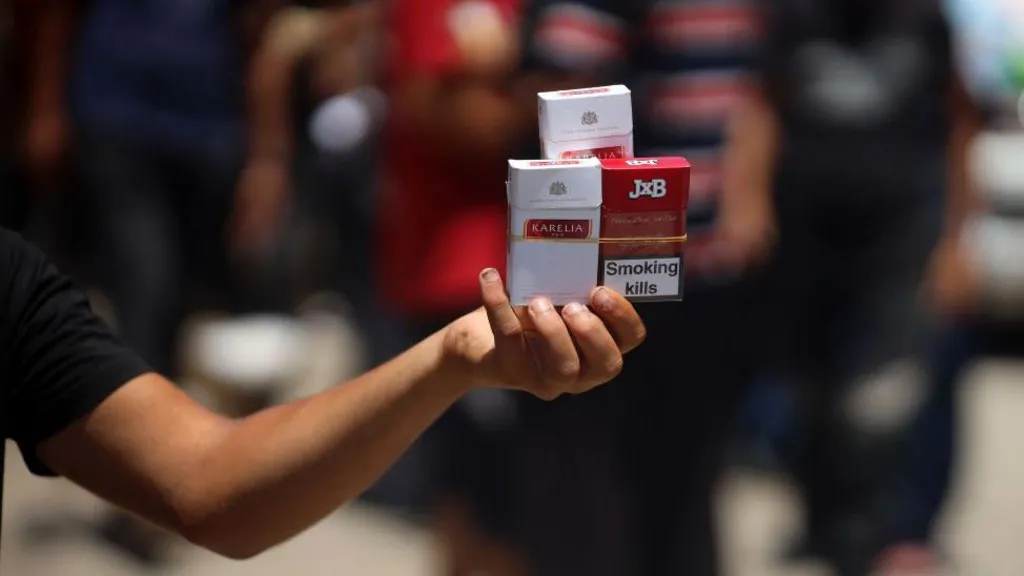
According to one of the women, the items taken included perfumes, accessories, cosmetics, cigarettes, and headphones, with virtually nothing being left untouched.
Rabia recounted that EU officials had taken liquids, such as cough syrup, as well as perfumes and makeup, from her and others. Additionally, phones, power banks, and toys with remote controls were also seized.
Rabia noted that there was a restriction on the amount of cash that individuals could bring into Gaza, with a maximum limit of $600 (£438) per person.
Anouar El Anouni, EU Spokesman for Foreign Affairs, stated that the EU Border Assistance Mission to Rafah was only observing the operations at the crossing, which are run by the Palestinians, and that its personnel were not involved in confiscating any items.
The agreement between Israel, Egypt, and the Palestinians outlines the specific items permitted to enter Gaza, with any unauthorized goods subject to confiscation by Palestinian authorities, according to her statement.
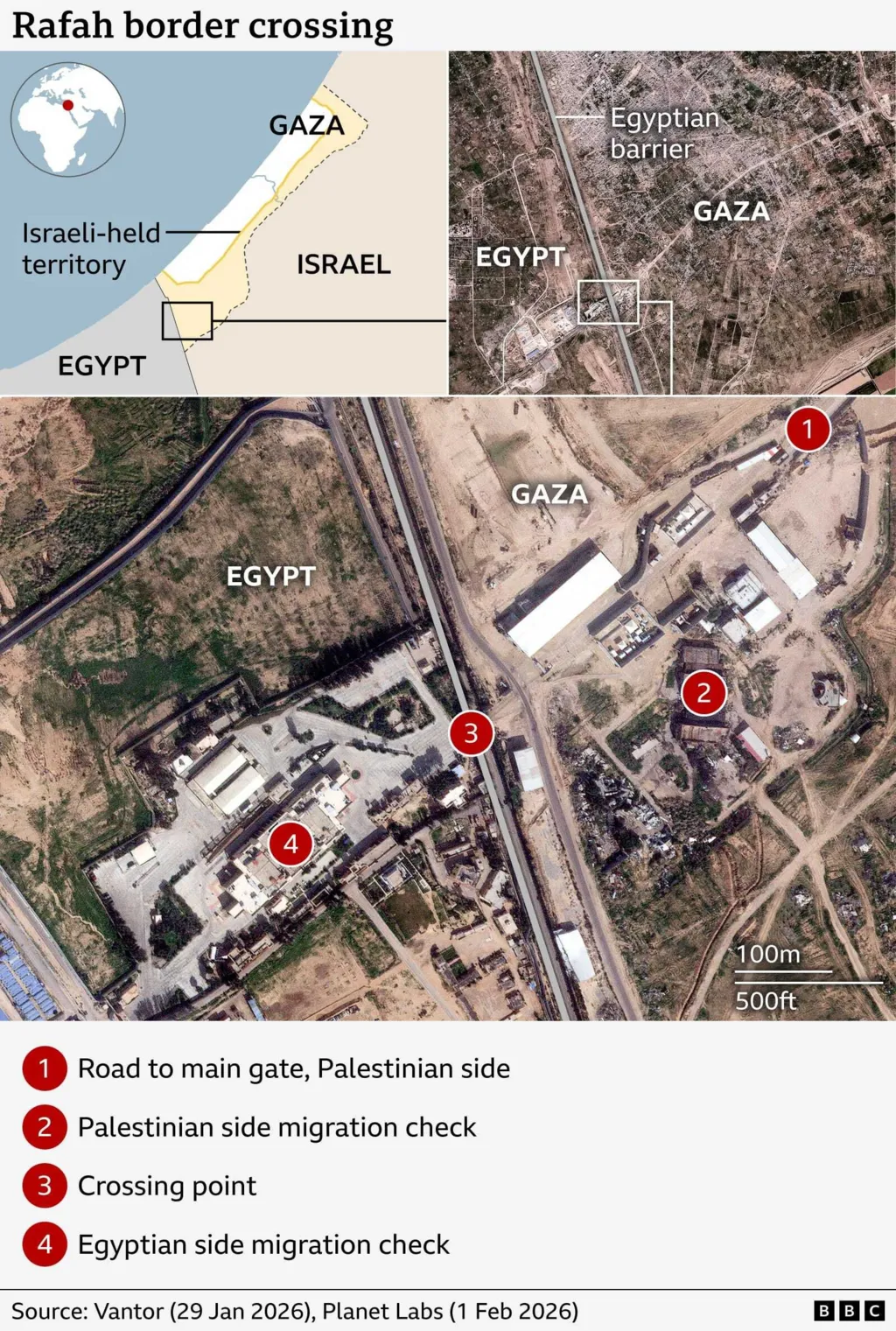
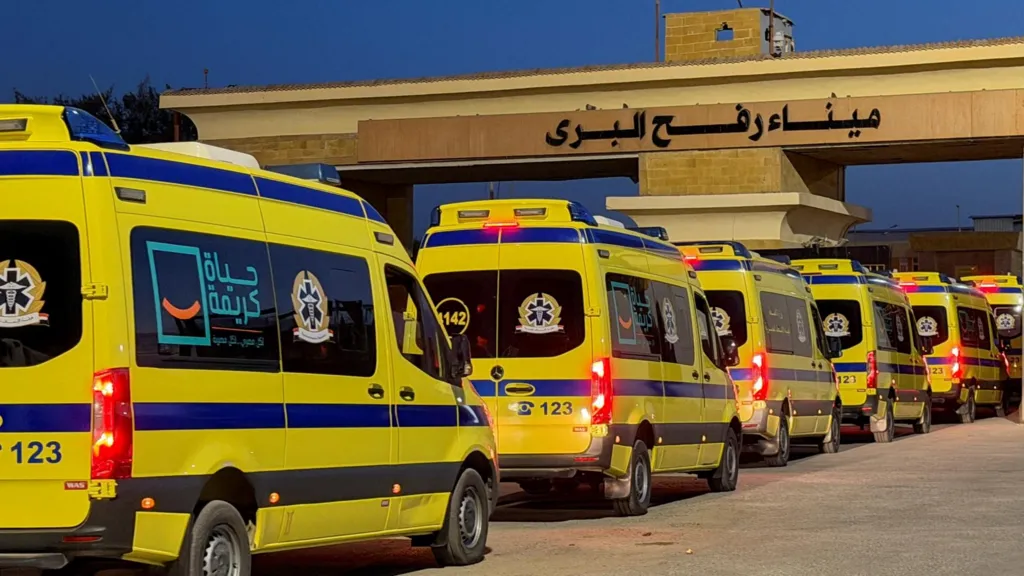
A group of 50 patients, who had received medical treatment in Egypt, were scheduled to return to Gaza via the Rafah crossing on Monday, accompanied by their relatives, and arrived at the Egyptian side of the border early in the morning.
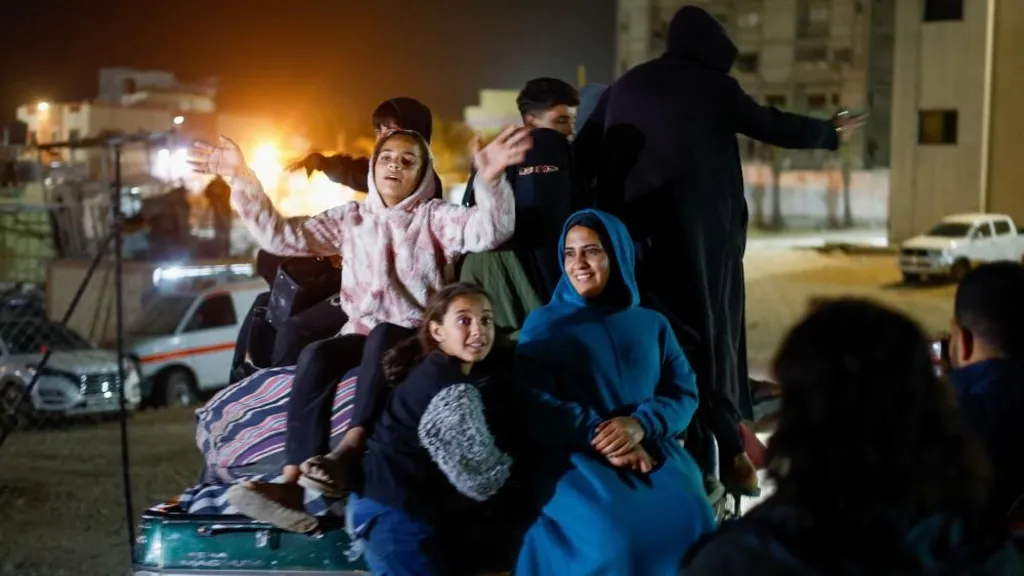
However, only 12 individuals were allowed to cross, despite prior security screening of all passengers by both Egyptian and Israeli authorities.
A Palestinian employee at the Gaza side of the Rafah crossing reported that the patients and their companions arrived from Egypt and underwent security checks, passport verification, and stamping procedures, which were carried out by Palestinian staff and European monitors.
The employee, who wished to remain anonymous due to lack of authorization to speak to the media, explained that after completing these procedures, the travellers waited for several hours within the crossing compound before Israeli authorities selected 12 individuals – consisting of nine women and three children – and escorted them to an Israeli inspection point.
Passengers who had not yet crossed were instructed to go back to Egypt, with no reason provided for the decision.
Among those affected were eight relatives of Awad Abu Talha, who had been waiting for his cousins as they navigated the crossing process, only to have some initially allowed to enter the Palestinian side before being turned back due to a technical issue.
By Tuesday afternoon, Awad Abu Talha's family had successfully crossed the border into Gaza.
The reopening of the Rafah crossing has been marked by a lack of clarity and inconsistent information.
Repeated attempts to obtain confirmation from Cogat, the Israeli government agency that handles civilian matters in Gaza, regarding the number of individuals who passed through the Rafah crossing on Monday have gone unanswered.
On Monday, the World Health Organization reported that five patients and seven companions were evacuated from Gaza to receive medical care, a small fraction of the 18,500 Gazans who require medical attention outside the territory.
According to Christian Lindmeier, a spokesperson for the organization, this initial transfer marks the beginning of a larger process, with hopes that it will pave the way for many more medical evacuations in the future.
The Palestinian Red Crescent in Gaza noted a modest increase in evacuations on Tuesday, with 16 patients and 40 companions departing the territory.
Raed al-Nims, a spokesman for the organization, alleged that Israel is slowing down the evacuation process and urged the international community to exert pressure on Israel to facilitate a greater number of patient transfers.
The recent implementation of a new travel mechanism via the Rafah crossing is also being seen as a challenge to Hamas's control in Gaza, underscoring the complexities of excluding the group from the territory's administrative affairs.
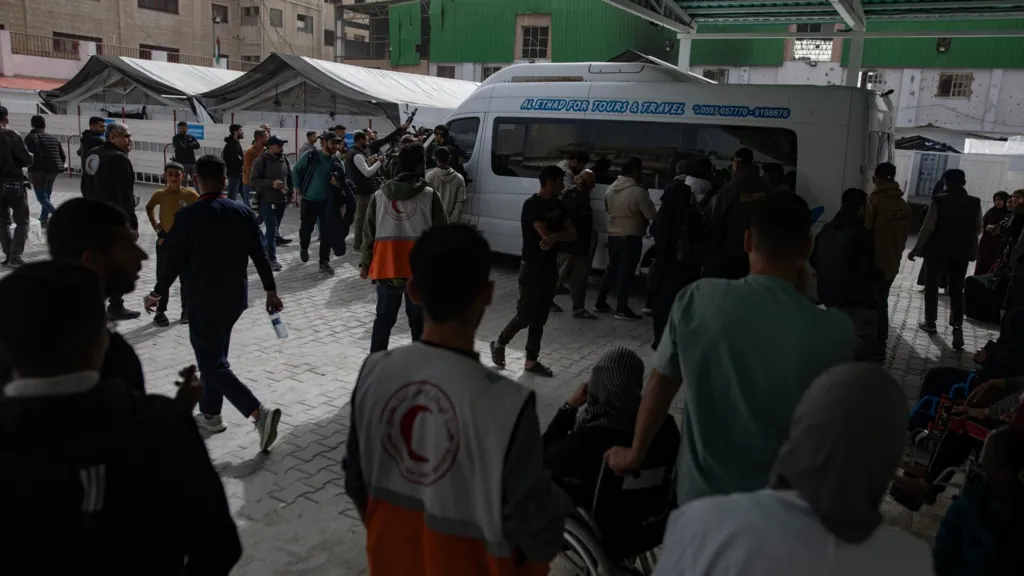
The recently introduced protocols at Rafah, designed to circumvent Hamas, are facing challenges as the militant group exerts pressure to regain control.
On Monday, individuals awaiting evacuation gathered at a medical facility located 4km (2.5 miles) from Nasser Hospital in Khan Younis, Gaza. Notably, the hospital falls under the jurisdiction of the Hamas-controlled health ministry in Gaza.
According to Palestinian officials and local journalists, a surprise development occurred on Tuesday when health ministry officials, accompanied by representatives from Hamas's media office and interior ministry, arrived at the medical facility and started taking a direct role in the preparations for the second day of evacuations.
This turn of events has highlighted the limited involvement of the National Committee for the Administration of Gaza, which, despite being tasked as Gaza's temporary administrators under the plan introduced by US President Donald Trump, has not participated in the evacuation process.
With the reopening of Rafah, a new and complex phase of the plan has commenced, relying on key factors such as the disarmament of Hamas, the withdrawal of Israeli forces, and the establishment of a new administrative authority.
The situation in Rafah is marked by discord, divisions, and uncertainty, foreshadowing the more complex obstacles that are likely to arise in the future.
This report was supplemented with additional information provided by Orsi Szoboszlay
Middle East
BBC reports from Tehran as Iran commemorates Islamic revolution anniversary
BBC correspondent Lyse Doucet has arrived in Iran, marking her first visit to the country since authorities suppressed widespread demonstrations against the government.
Iran's government has staged a display of strength to commemorate the 47th anniversary of the Islamic revolution, following a period of intense repression of anti-government demonstrations.
The BBC has gained access to Tehran for the first time since the authorities' crackdown on protests, which resulted in the deaths of at least 6,490 people, according to estimates by human rights activists.
Lyse Doucet, the BBC's chief international correspondent, observes that the capital's streets, adorned with festive decorations and filled with crowds of supporters, reflect the government's desired image of a unified nation, with Iranians demonstrating their allegiance to the Islamic Republic and its founding revolution.
Middle East
BBC reports from Tehran for the first time since the protest crackdown
In Iran, the aftermath of the government’s crackdown on protests remains a sensitive issue, with the effects of the unusually strong measures still being felt, according to Lyse Doucet, reporting from the country.
For the first time since a nationwide crackdown on anti-government demonstrations, a BBC team has entered Iran to report on the current situation.
As Iran commemorates the 47th anniversary of the Islamic Revolution, the streets of Tehran are adorned with festive decorations, yet the memory of the recent protests and the subsequent use of force by security personnel remains a sensitive issue.
According to human rights activists, the confirmed number of protester fatalities stands at a minimum of 6,400, although they caution that the actual death toll may ultimately be significantly higher.
Asia
Indonesia plans to deploy up to 8,000 troops to Gaza
As part of the second phase of the ceasefire agreement facilitated by the US in the previous year, this nation would become the first to take such action.
Indonesia is making preparations to deploy a contingent of up to 8,000 soldiers to Gaza, marking the first such commitment under the second phase of a ceasefire agreement facilitated by the United States towards the end of last year.
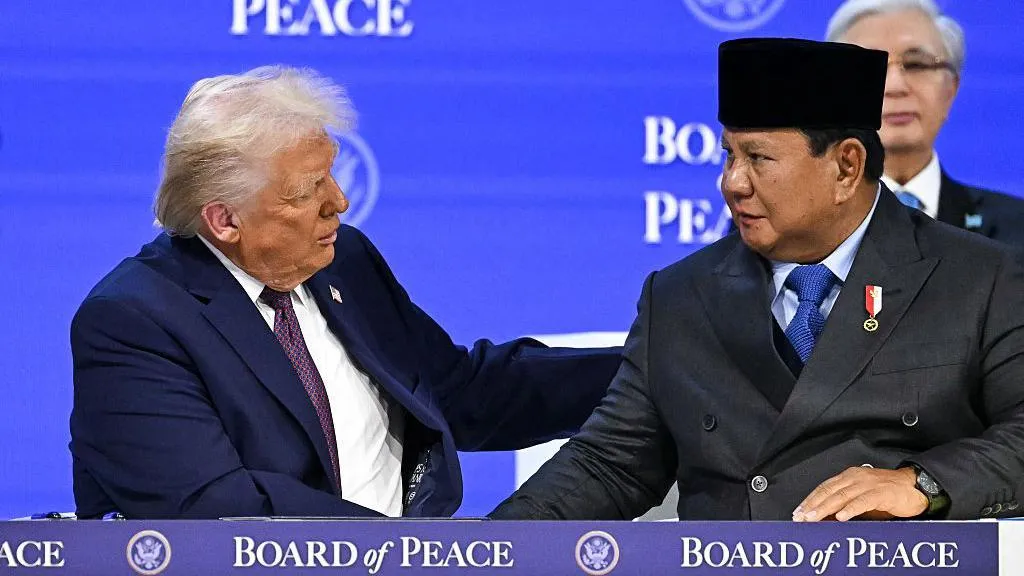
According to General Maruli Simanjuntak, the army's chief of staff, training for these troops is already underway, with a focus on providing medical and engineering support in Gaza.
Indonesia has recently joined the Board of Peace initiated by President Donald Trump, an announcement that was made last month.
The United Nations Security Council has given Indonesia a mandate to establish an International Stabilization Force, tasked with securing border areas in Gaza and overseeing the demilitarization of the territory, including the disarmament of Hamas.
The Board of Peace, scheduled to convene for the first time in Washington on February 19, will also play a role in overseeing the establishment of a new technocratic government in Gaza and guiding post-conflict reconstruction efforts.
While the specifics of the Indonesian troop deployment, including timing and role, have yet to be finalized, it appears that President Prabowo Subianto is moving forward with the plan.
President Subianto's decision to participate in Trump's Board of Peace has drawn criticism from certain Islamic groups within Indonesia, where there is significant public discontent regarding the US role in Israel's military actions in Gaza.
President Subianto has countered that, as the world's most populous Muslim nation, Indonesia has a responsibility to contribute to stabilizing Gaza, with the ultimate goal of achieving a two-state solution to the Israeli-Palestinian conflict.
A report by Israel's public broadcaster Kan indicates that a location in southern Gaza, situated between Rafah and Khan Younis, has been designated for the Indonesian army to construct barracks that will accommodate several thousand troops.
Other Muslim countries, including Turkey and Pakistan, are considering troop deployments as well, but have emphasized that their roles would be limited to peacekeeping and would not involve participation in the planned disarmament of Hamas.
However, given Hamas's refusal to disarm as long as Israel maintains its presence in parts of Gaza, a lasting peace that an international force could support has yet to be achieved.
-
 News10 hours ago
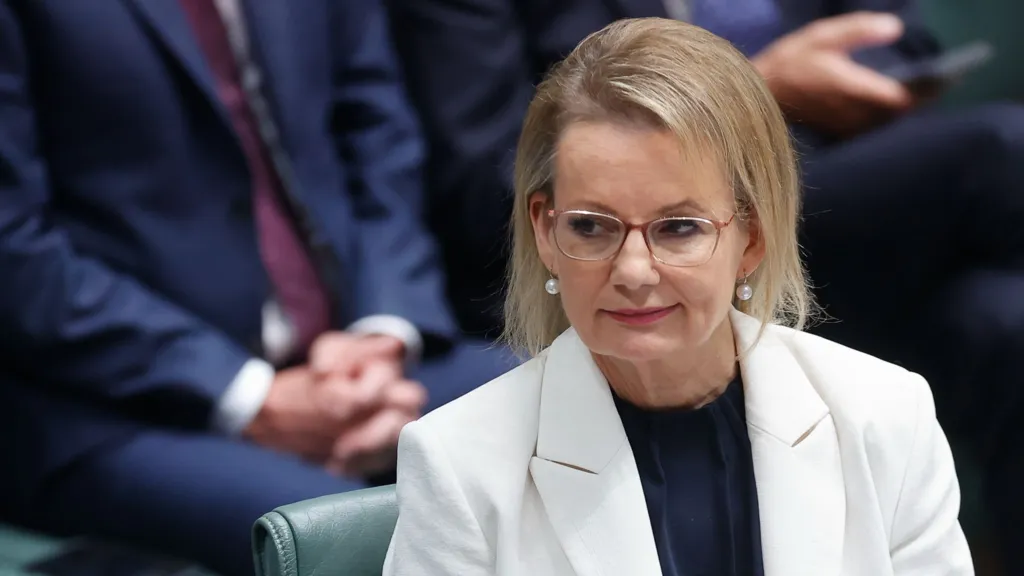
Australian Politics Faces Questions Over Gender Equality Amid Sussan Ley’s Appointment
-
 News7 hours ago
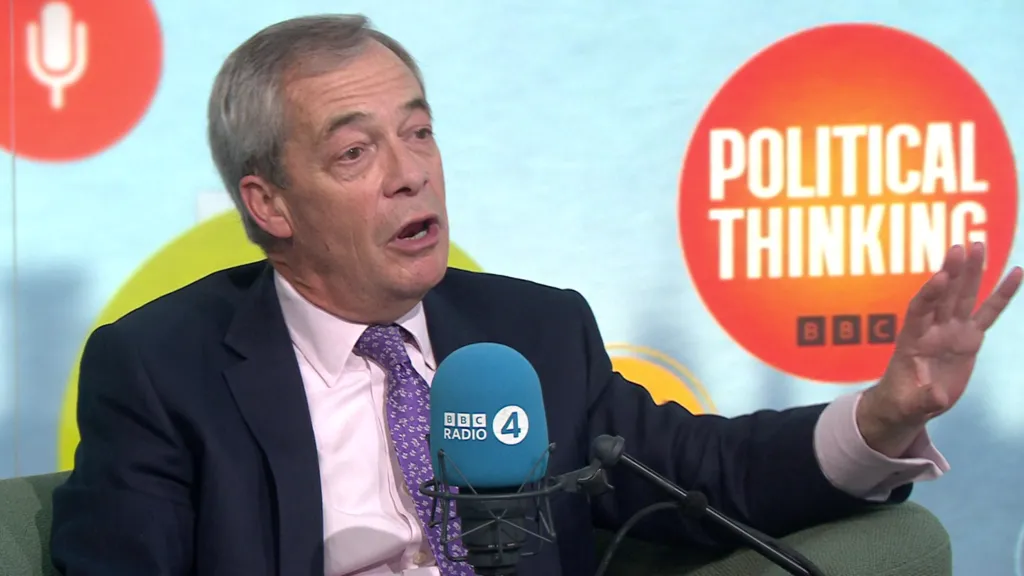
Farage Says Reform to Replace Traditional Tory Party
-
 News7 hours ago
Wrexham Pair Seek Win Against Former Team Ipswich
-
 News12 hours ago
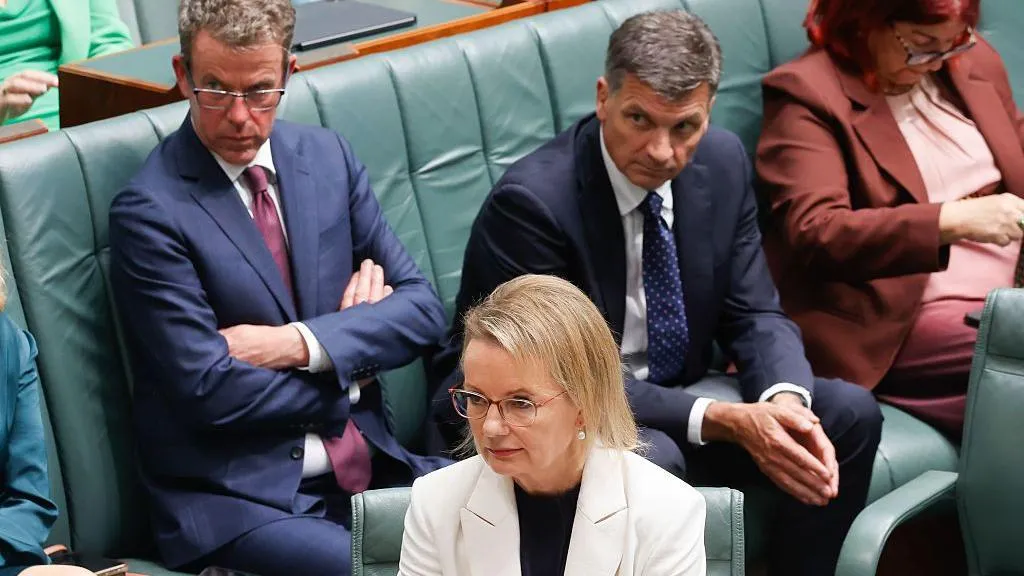
Liberal Party Removes Australia’s First Female Leader
-
 News10 hours ago
UK Braces for Cold Snap with Snow and Ice Alerts Expected
-
 News7 hours ago
Husband’s alleged £600k theft for sex and antiques blamed on drug side effects
-
 News2 days ago
Sunbed ads spreading harmful misinformation to young people
-
 Business12 hours ago
BBC Reporter Exposed to Cyber Attack Due to Vulnerabilities in AI Coding Tool