
Middle East
YouTube critic of Saudi leader recounts hacking and assault
Satirist Ghanem al-Masarir has received a £3m damages award, although it remains to be seen whether Saudi Arabia will fulfill the payment.
YouTuber Ghanem al-Masarir had amassed a massive following, with his videos garnering hundreds of millions of views.
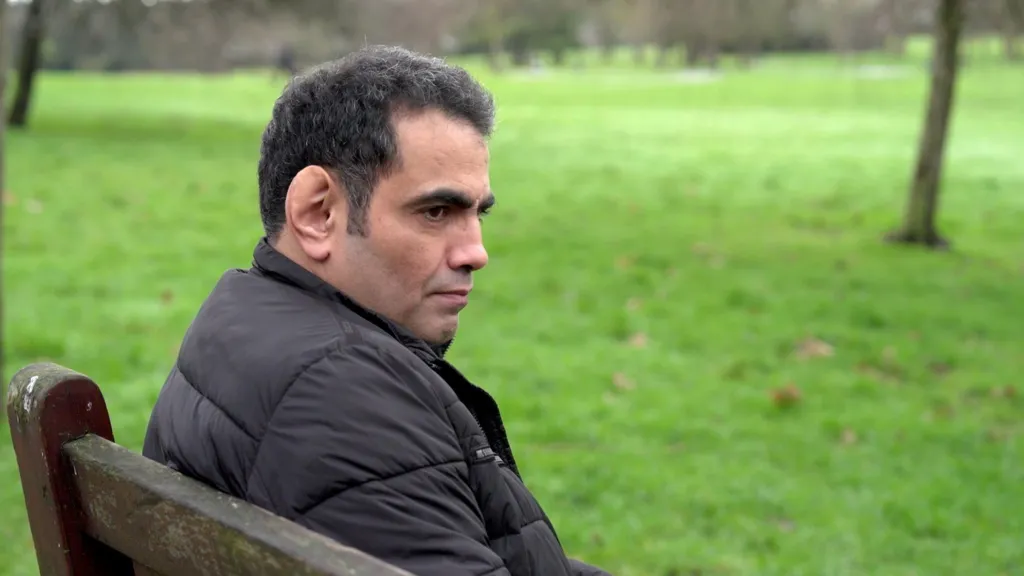
Operating from his residence in Wembley, al-Masarir had established himself as a vocal critic of the Saudi Arabian royal family, known for his outspoken and sometimes provocative comedy style, which had attracted both admirers and powerful detractors.
Al-Masarir initially noticed anomalies with his mobile devices, which had become unusually sluggish and were rapidly depleting their battery life.
He then began to encounter individuals who appeared to be supporters of the Saudi regime in various locations throughout London, who would approach and harass him, often filming their interactions; it remained unclear how they were able to track his movements so consistently.
Al-Masarir's suspicions that his phone had been compromised were later validated by cyber experts, who confirmed that he had been targeted by the notorious Pegasus spyware, becoming the latest victim of this sophisticated hacking tool.
In an interview with the BBC, al-Masarir expressed his shock and distress upon discovering the extent of the hacking. He stated that his location, camera, and microphone could be accessed remotely, and that all his personal data, including photos, had been compromised, leaving him with a profound sense of violation.
Following a six-year legal dispute, the High Court in London delivered a verdict on Monday, holding Saudi Arabia accountable and ordering the kingdom to pay al-Masarir compensation exceeding £3m ($4.1m).
The hacking of al-Masarir's iPhones occurred in 2018, after he clicked on links in three text messages that appeared to be from reputable news outlets, offering special membership deals.
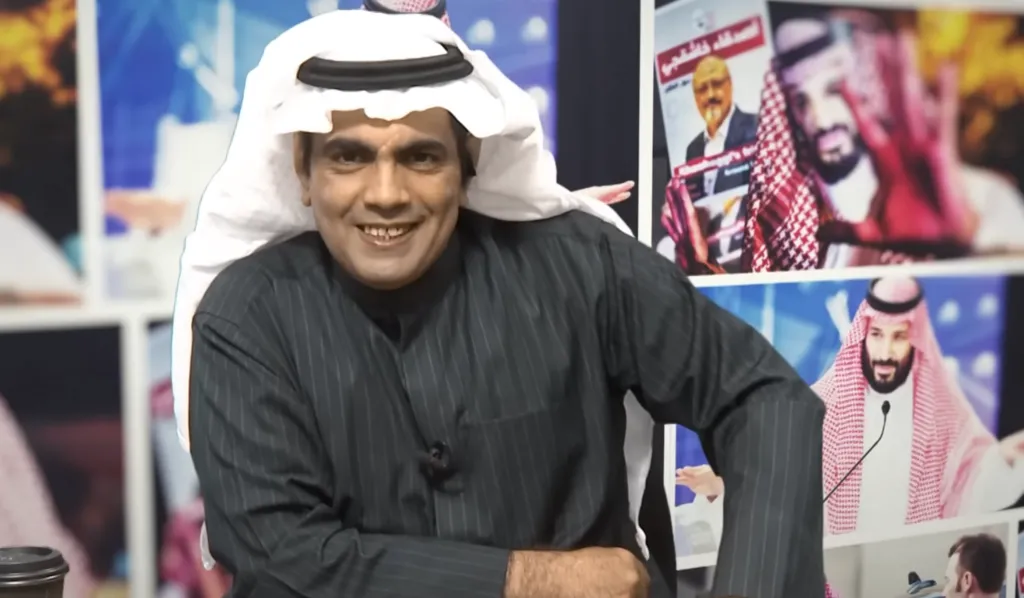
The consequences of the hacking were severe, with al-Masarir experiencing stalking, harassment, and physical violence, including a brutal assault in central London in August of that year.
According to testimony presented in court, al-Masarir was confronted by two unknown individuals who demanded to know why he was speaking out against the Saudi royal family, before physically attacking him, punching him in the face, and continuing the assault.
The confrontation was interrupted by bystanders, prompting the two individuals to back down, hurling insults that included calling the YouTuber a "slave of Qatar" and threatening to "teach him a lesson".
According to the High Court judge, the physical altercation was deliberate and pre-planned, with one of the attackers wearing an earpiece at the time of the incident.
In his written ruling, Mr Justice Saini stated that there is substantial evidence to suggest the assault and hacking were either directed or sanctioned by the Kingdom of Saudi Arabia, or by individuals acting on its behalf.
The judge's ruling noted that the Saudi government had a clear motive to silence the claimant's public criticism, given its interest in suppressing such dissenting voices.
The harassment persisted even after the assault, with an incident in 2019 where a child approached al-Masarir at a café in Kensington and sang a song in praise of King Salman, the Saudi monarch.
A video of the incident quickly gained traction online, sparking a social media trend with a dedicated hashtag and even airing on Saudi state television.
Later that day, al-Masarir was approached by a man outside a restaurant in west London, who issued a threatening message, stating "your days are numbered", before departing the scene.
Originally from Saudi Arabia, al-Masarir has resided in the UK for over two decades, initially arriving in Portsmouth to pursue his studies.
Now a British citizen residing in Wembley, al-Masarir's movements are restricted due to fear, particularly when visiting central London, a lingering consequence of a past attack.
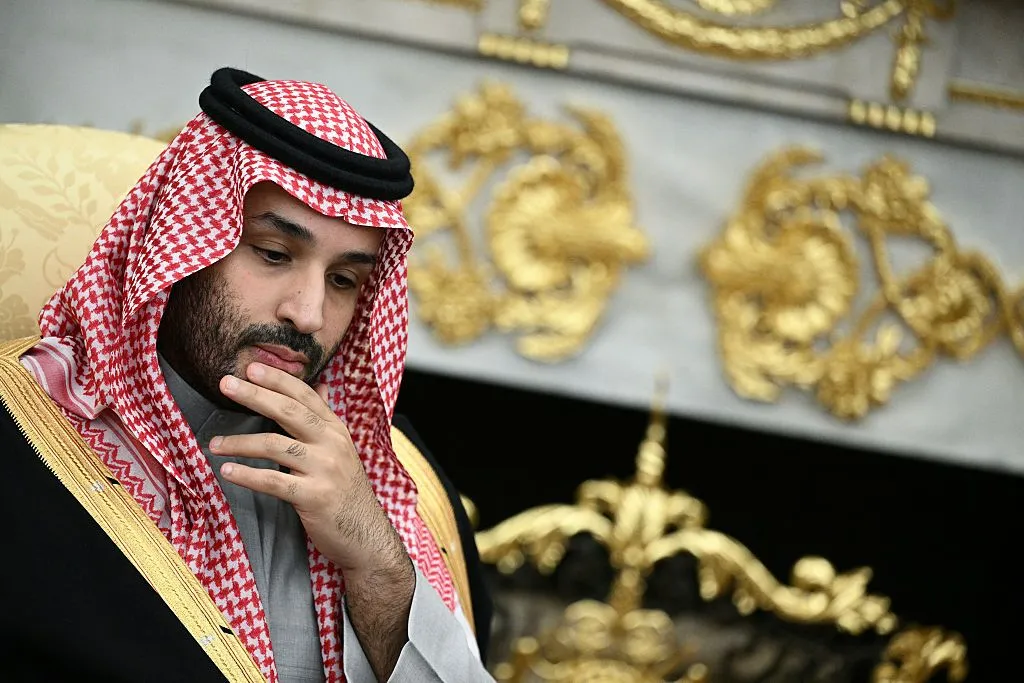
Al-Masarir, 45, has become a prominent figure in the Arabic-speaking world, known for his satirical YouTube content, which often criticizes the Saudi leadership, specifically targeting Crown Prince Mohamed bin Salman.
With over 345 million views, Al-Masarir's comedic commentary and critiques of the Saudi government, which sometimes included personal attacks, resonated with a large audience and frequently went viral.
A video in which he denounced the authorities' reaction to a viral clip of girls dancing in Saudi Arabia has garnered 16 million views, making it his most-watched clip. However, the audio has been removed from the YouTube version, and Al-Masarir is unsure when or how this occurred.
Following a hacking and cyber attack, Al-Masarir's demeanor has changed significantly, with the formerly outspoken figure now exhibiting signs of depression and fear. In a rare interview with the BBC, he spoke in a reserved manner and opted not to reveal his face fully.
It has been three years since Al-Masarir last posted a video, and despite emerging victorious in a legal battle, he believes the Saudi government has successfully muted his voice.
Al-Masarir reflected on the experience, stating, "The harm caused by the hack is irreparable, regardless of any financial compensation." He added, "I'm no longer the same person I was before; the hacking incident has had a profound impact on me."
An investigation by experts from the University of Toronto's Citizen Lab revealed that al-Masarir's device had been compromised by Pegasus spyware. Following an on-site analysis in London, the team concluded that Saudi Arabia was likely responsible for the hacking incident.
The Pegasus spyware, developed by the Israeli firm NSO Group, is a sophisticated and contentious surveillance tool. According to NSO Group, its software is solely sold to government agencies for the purpose of monitoring and tracking individuals involved in terrorism and other criminal activities.
However, research conducted by Citizen Lab has uncovered instances of Pegasus spyware on the devices of various individuals, including politicians, journalists, and dissidents, such as al-Masarir.
Initially, when al-Masarir attempted to file a lawsuit against Saudi Arabia, the kingdom cited the State Immunity Act of 1978, claiming it provided them with protection from legal proceedings.
In a 2022 ruling, the court determined that Saudi Arabia was not entitled to immunity, leading to the country's absence from subsequent proceedings.
According to the High Court judge, Saudi Arabia has neglected to submit a defense or respond to the application, and has also disregarded multiple additional orders, making its participation in the claim appear unlikely.
The total amount of damages awarded is £3,025,662.83, although it remains uncertain whether Saudi Arabia will comply with the payment.
The BBC reached out to the Saudi embassy in London for a response, but has yet to receive a reply.
Al-Masarir has expressed his resolve to uphold the judgment, stating that he is prepared to utilize international courts if necessary, while also acknowledging that no financial compensation can fully rectify the significant disruption the hack has caused to his life.
A sense of dismay has been expressed over an incident in London, within Great Britain, where individuals appear to have evaded accountability.

Middle East
BBC reports from Tehran as Iran commemorates Islamic revolution anniversary
BBC correspondent Lyse Doucet has arrived in Iran, marking her first visit to the country since authorities suppressed widespread demonstrations against the government.
Iran's government has staged a display of strength to commemorate the 47th anniversary of the Islamic revolution, following a period of intense repression of anti-government demonstrations.
The BBC has gained access to Tehran for the first time since the authorities' crackdown on protests, which resulted in the deaths of at least 6,490 people, according to estimates by human rights activists.
Lyse Doucet, the BBC's chief international correspondent, observes that the capital's streets, adorned with festive decorations and filled with crowds of supporters, reflect the government's desired image of a unified nation, with Iranians demonstrating their allegiance to the Islamic Republic and its founding revolution.
Middle East
BBC reports from Tehran for the first time since the protest crackdown
In Iran, the aftermath of the government’s crackdown on protests remains a sensitive issue, with the effects of the unusually strong measures still being felt, according to Lyse Doucet, reporting from the country.
For the first time since a nationwide crackdown on anti-government demonstrations, a BBC team has entered Iran to report on the current situation.
As Iran commemorates the 47th anniversary of the Islamic Revolution, the streets of Tehran are adorned with festive decorations, yet the memory of the recent protests and the subsequent use of force by security personnel remains a sensitive issue.
According to human rights activists, the confirmed number of protester fatalities stands at a minimum of 6,400, although they caution that the actual death toll may ultimately be significantly higher.
Asia
Indonesia plans to deploy up to 8,000 troops to Gaza
As part of the second phase of the ceasefire agreement facilitated by the US in the previous year, this nation would become the first to take such action.
Indonesia is making preparations to deploy a contingent of up to 8,000 soldiers to Gaza, marking the first such commitment under the second phase of a ceasefire agreement facilitated by the United States towards the end of last year.
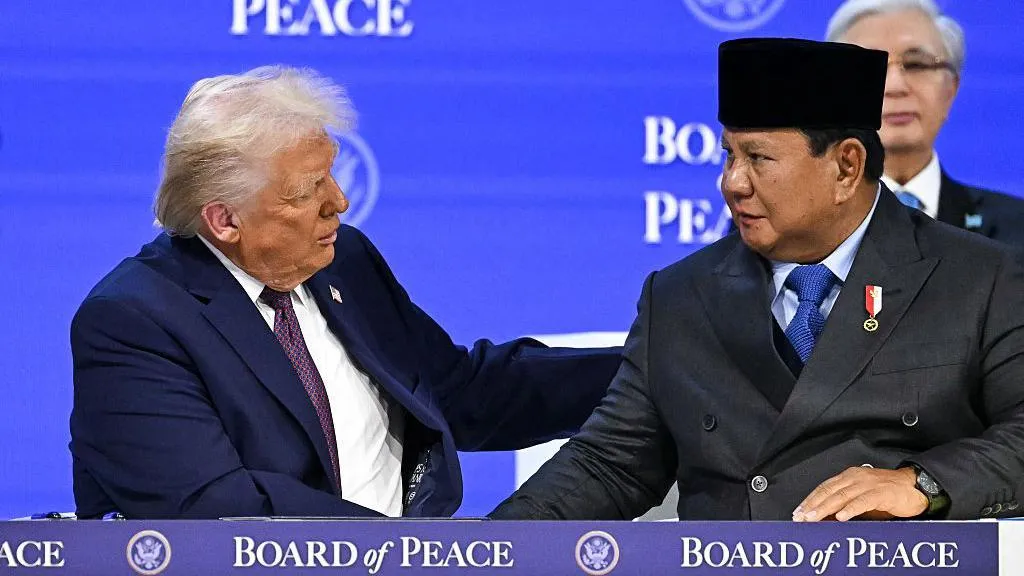
According to General Maruli Simanjuntak, the army's chief of staff, training for these troops is already underway, with a focus on providing medical and engineering support in Gaza.
Indonesia has recently joined the Board of Peace initiated by President Donald Trump, an announcement that was made last month.
The United Nations Security Council has given Indonesia a mandate to establish an International Stabilization Force, tasked with securing border areas in Gaza and overseeing the demilitarization of the territory, including the disarmament of Hamas.
The Board of Peace, scheduled to convene for the first time in Washington on February 19, will also play a role in overseeing the establishment of a new technocratic government in Gaza and guiding post-conflict reconstruction efforts.
While the specifics of the Indonesian troop deployment, including timing and role, have yet to be finalized, it appears that President Prabowo Subianto is moving forward with the plan.
President Subianto's decision to participate in Trump's Board of Peace has drawn criticism from certain Islamic groups within Indonesia, where there is significant public discontent regarding the US role in Israel's military actions in Gaza.
President Subianto has countered that, as the world's most populous Muslim nation, Indonesia has a responsibility to contribute to stabilizing Gaza, with the ultimate goal of achieving a two-state solution to the Israeli-Palestinian conflict.
A report by Israel's public broadcaster Kan indicates that a location in southern Gaza, situated between Rafah and Khan Younis, has been designated for the Indonesian army to construct barracks that will accommodate several thousand troops.
Other Muslim countries, including Turkey and Pakistan, are considering troop deployments as well, but have emphasized that their roles would be limited to peacekeeping and would not involve participation in the planned disarmament of Hamas.
However, given Hamas's refusal to disarm as long as Israel maintains its presence in parts of Gaza, a lasting peace that an international force could support has yet to be achieved.
-
 News8 hours ago
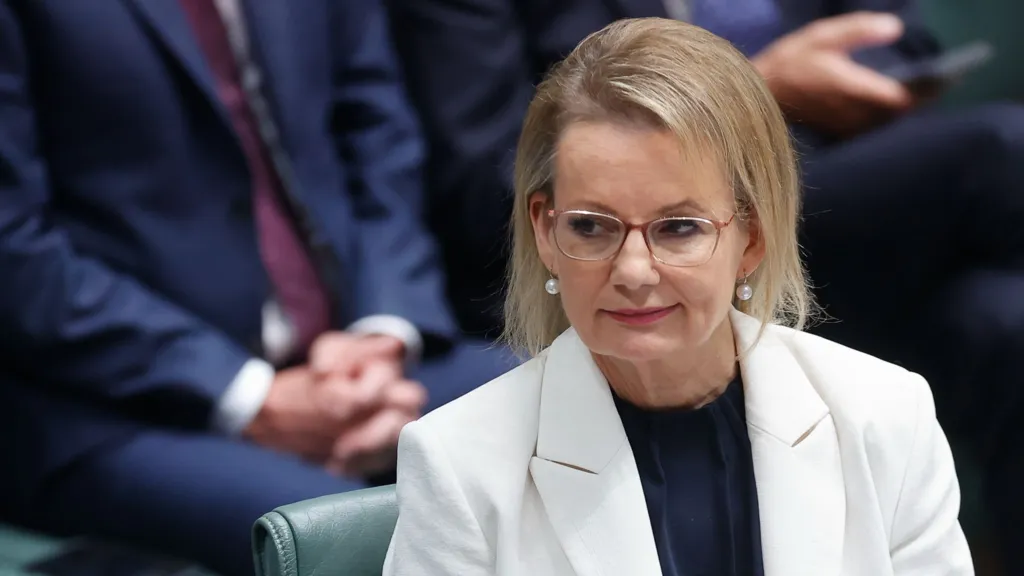
Australian Politics Faces Questions Over Gender Equality Amid Sussan Ley’s Appointment
-
 News5 hours ago
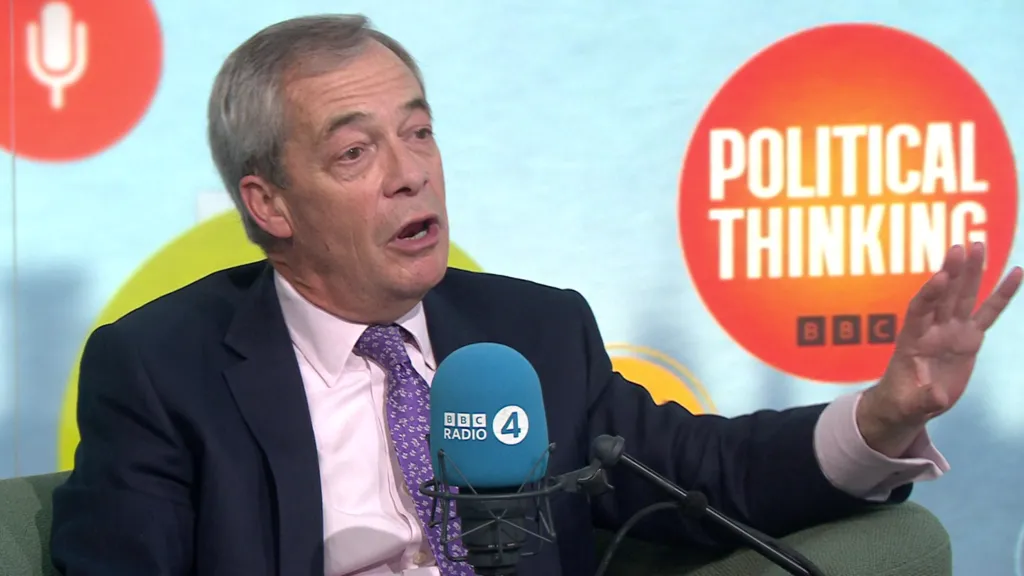
Farage Says Reform to Replace Traditional Tory Party
-
 News5 hours ago
Wrexham Pair Seek Win Against Former Team Ipswich
-
 News11 hours ago
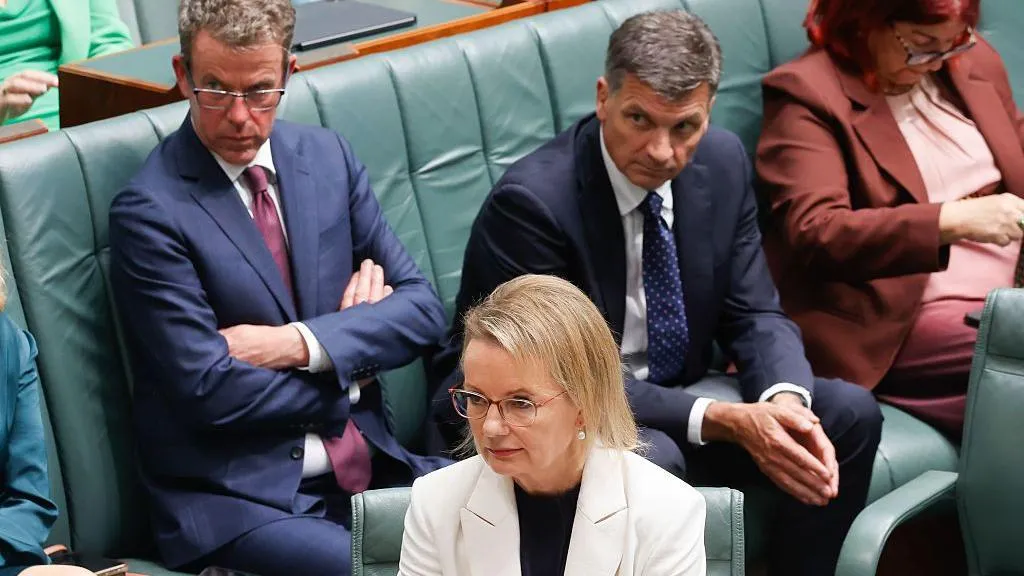
Liberal Party Removes Australia’s First Female Leader
-
 News9 hours ago
UK Braces for Cold Snap with Snow and Ice Alerts Expected
-
 News5 hours ago
Husband’s alleged £600k theft for sex and antiques blamed on drug side effects
-
 News2 days ago
Sunbed ads spreading harmful misinformation to young people
-
 Business11 hours ago
BBC Reporter Exposed to Cyber Attack Due to Vulnerabilities in AI Coding Tool