
Middle East
Iran’s internet services slowly resume
Internet services were disrupted in the country as of January 8, amid a government response to demonstrations.
As Iran's severe internet blackout nears the three-week mark, a limited number of the country's 92 million residents are regaining online access, albeit with strict restrictions in place.
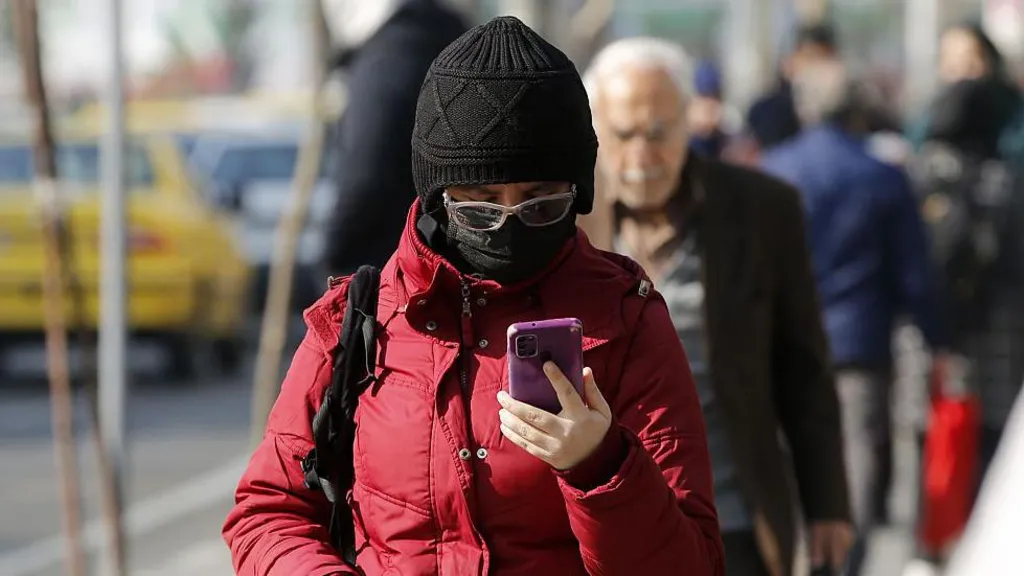
The internet was severed on January 8, a move broadly perceived as a government attempt to curb the dissemination of information regarding its suppression of protests.
According to Iranian Foreign Minister Abbas Araghchi, the internet shutdown was a response to alleged "terrorist operations", as stated by the minister himself.
Recent findings suggest that internet access is being reinstated in some areas, but separate assessments reveal that a significant portion of the country remains disconnected from the global network.
Reports from the Iranian reformist publication, Shargh newspaper, indicate that certain officials have announced the restoration of mobile internet services, although the extent of this restoration is unclear.
Despite some progress, many users continue to face significant restrictions, with intermittent and fleeting connections often requiring multiple attempts to establish.
Observations by companies that track online activity suggest that internet usage is uneven, prompting concerns about the extent of access and the criteria governing connectivity.
According to Doug Madory, director of internet analysis at Kentik, a network intelligence firm, the current situation does not indicate a full restoration of services.
The availability of major online platforms appears to be subject to fluctuation, with some being accessible at certain times of the day while being blocked at others.
NetBlocks, an independent organization that monitors internet connectivity, has also documented similar patterns and constraints.
According to Madory, the observed pattern may suggest that authorities are experimenting with a new web traffic blocking system, with adjustments being implemented on the fly.
Amir Rashidi, director of cyber security at the Miaan Group, notes that this development implies a restricted group of individuals, pre-approved by the government, may be the only ones with internet access.
Human rights organisations argue that the government's control over internet access has significantly contributed to the limited information available about the government's response to protests.
As of 26 January, the Human Rights Activists News Agency (HRANA) reported that it had verified 5,925 protester deaths, cautioning that the actual toll could be substantially higher, with an additional 17,091 reported fatalities currently under review.
Observers of internet rights believe that the current unrest may have provided authorities with an opportunity to expedite plans to increase internet control, a move that would have likely faced significant opposition under more ordinary circumstances.
Reports from Shargh indicate that internet access in Iran is currently being managed through a tiered system, with varying levels of connectivity available, although a complete restoration of services has yet to be achieved.
As noted by the newspaper, restrictions on foreign messaging apps like WhatsApp are expected to remain in place, while domestic alternatives are available, albeit with concerns surrounding their security and privacy protocols.
In a recent development, some individuals have reported intermittent access to international online services, utilizing platforms such as Google Meet, Telegram, Facebook Messenger, and FaceTime to establish contact with family members abroad.
Rashidi suggests that the selective granting of internet access may inadvertently enable the temporary functioning of tools like virtual private networks (VPNs), which can provide brief windows of unrestricted online access.
Virtual private networks (VPNs) are technologies that enable secure online connections, allowing users to access location-restricted content by bypassing geographical limitations.
According to Rashidi, as long as data transmission is possible, individuals can find methods to utilize Virtual Private Networks (VPNs).
Rashidi noted that current evidence indicates the authorities are committed to restricting VPN usage and maintaining control over internet connections.
On 26 January, Iran's Minister of Communications, Sattar Hashemi, stated that the daily economic losses resulting from the internet disruption have reached approximately five trillion tomans, equivalent to $35m or £25m, after nearly three weeks of interrupted service.
In an effort to alleviate economic pressure, the authorities have begun to provide restricted internet access to certain businesses, a move that analysts believe may be part of a broader strategy to implement more targeted connectivity management.
In interviews with the BBC, business leaders revealed that in some cities, Chamber of Commerce members are allocated limited, unfiltered internet access, ranging from 20 to 30 minutes per day.
According to their claims, access is only granted under close supervision, following a multi-step identity verification process.
A Tehran Chamber of Commerce member, speaking anonymously, described the access as being "closely controlled and subject to strict time limits".
The source noted that failing to complete work within the designated timeframe would necessitate restarting the entire verification process from the beginning.
The same individual reported that certain businesspeople were also compelled to sign agreements pledging not to transmit files related to the protests.
The system was characterized as "highly restrictive and demeaning", given the large number of individuals affected, and was said to have sparked widespread discontent among the trading community.
According to FilterWatch, a group monitoring internet freedom, the Iranian government has been swiftly implementing new measures and regulations to isolate the country from the global internet.
An analysis of web traffic patterns by Madory indicates that a complete reinstatement of internet access in Iran is unlikely to happen.
To stay updated on the latest tech news and trends from around the world, subscribe to our Tech Decoded newsletter; for those outside the UK, registration is available through this alternative link.

Middle East
BBC reports from Tehran as Iran commemorates Islamic revolution anniversary
BBC correspondent Lyse Doucet has arrived in Iran, marking her first visit to the country since authorities suppressed widespread demonstrations against the government.
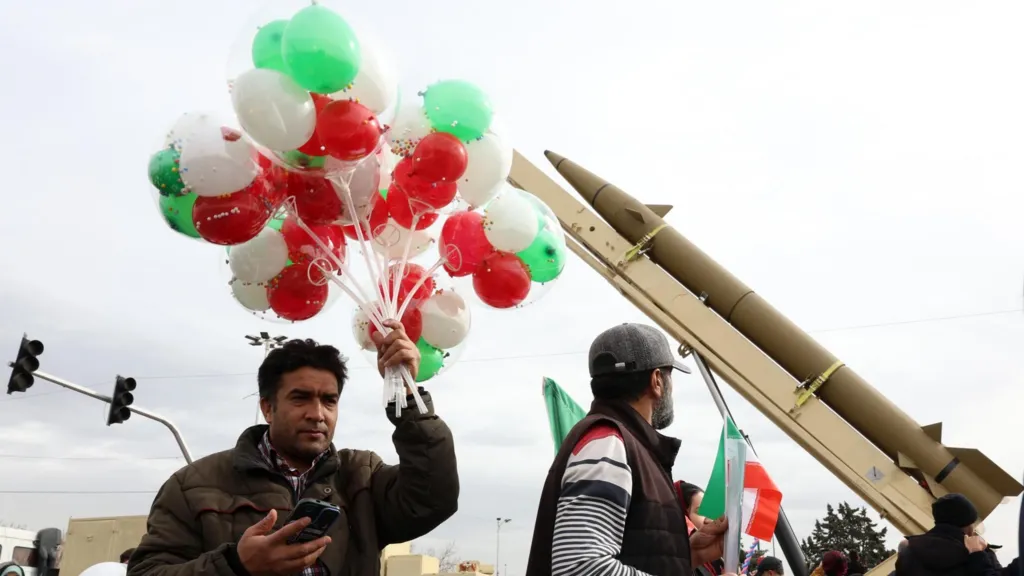
Iran's government has staged a display of strength to commemorate the 47th anniversary of the Islamic revolution, following a period of intense repression of anti-government demonstrations.
The BBC has gained access to Tehran for the first time since the authorities' crackdown on protests, which resulted in the deaths of at least 6,490 people, according to estimates by human rights activists.
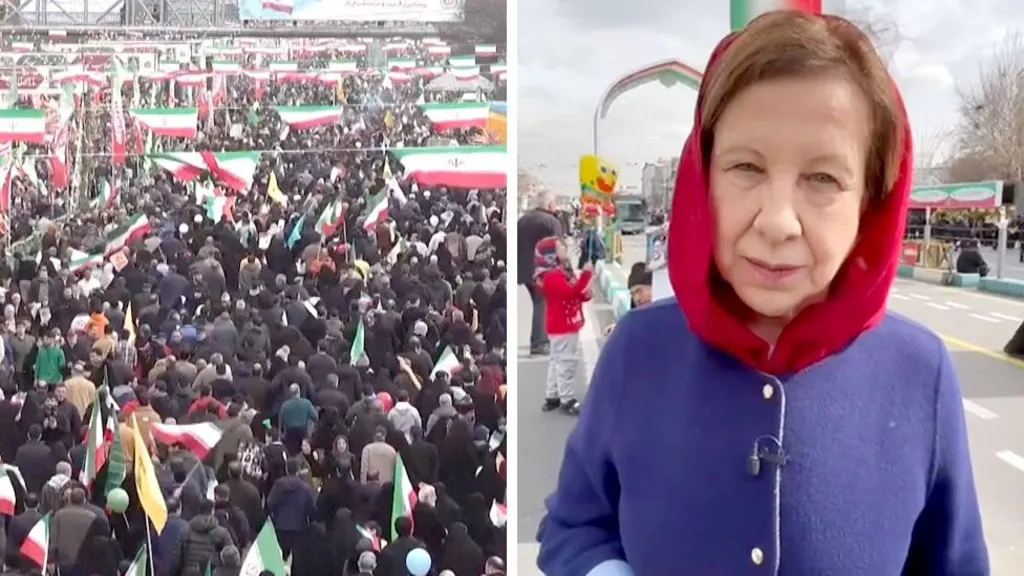
Lyse Doucet, the BBC's chief international correspondent, observes that the capital's streets, adorned with festive decorations and filled with crowds of supporters, reflect the government's desired image of a unified nation, with Iranians demonstrating their allegiance to the Islamic Republic and its founding revolution.
Middle East
BBC reports from Tehran for the first time since the protest crackdown
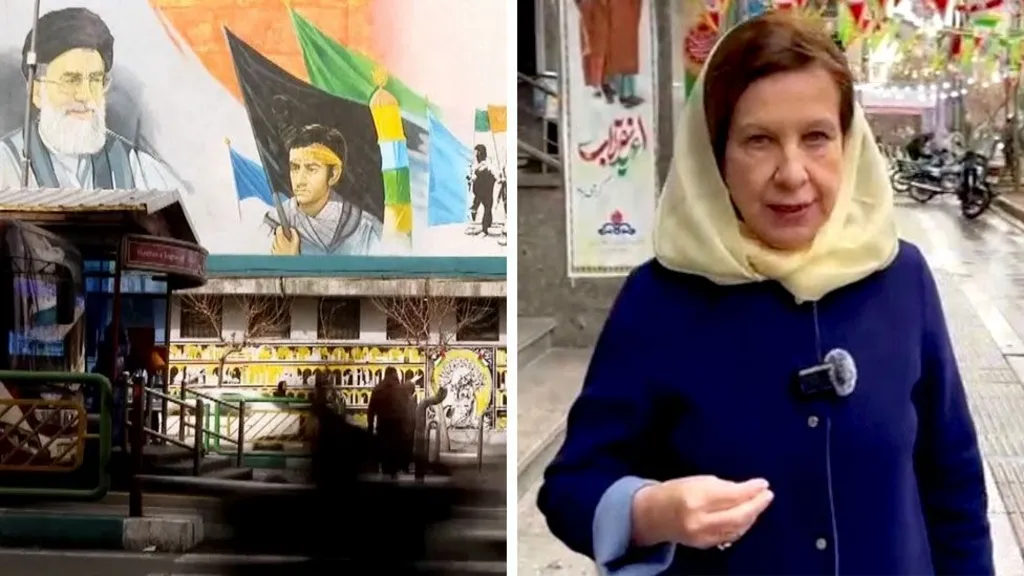
In Iran, the aftermath of the government’s crackdown on protests remains a sensitive issue, with the effects of the unusually strong measures still being felt, according to Lyse Doucet, reporting from the country.
For the first time since a nationwide crackdown on anti-government demonstrations, a BBC team has entered Iran to report on the current situation.
As Iran commemorates the 47th anniversary of the Islamic Revolution, the streets of Tehran are adorned with festive decorations, yet the memory of the recent protests and the subsequent use of force by security personnel remains a sensitive issue.
According to human rights activists, the confirmed number of protester fatalities stands at a minimum of 6,400, although they caution that the actual death toll may ultimately be significantly higher.
Asia
Indonesia plans to deploy up to 8,000 troops to Gaza
As part of the second phase of the ceasefire agreement facilitated by the US in the previous year, this nation would become the first to take such action.
Indonesia is making preparations to deploy a contingent of up to 8,000 soldiers to Gaza, marking the first such commitment under the second phase of a ceasefire agreement facilitated by the United States towards the end of last year.
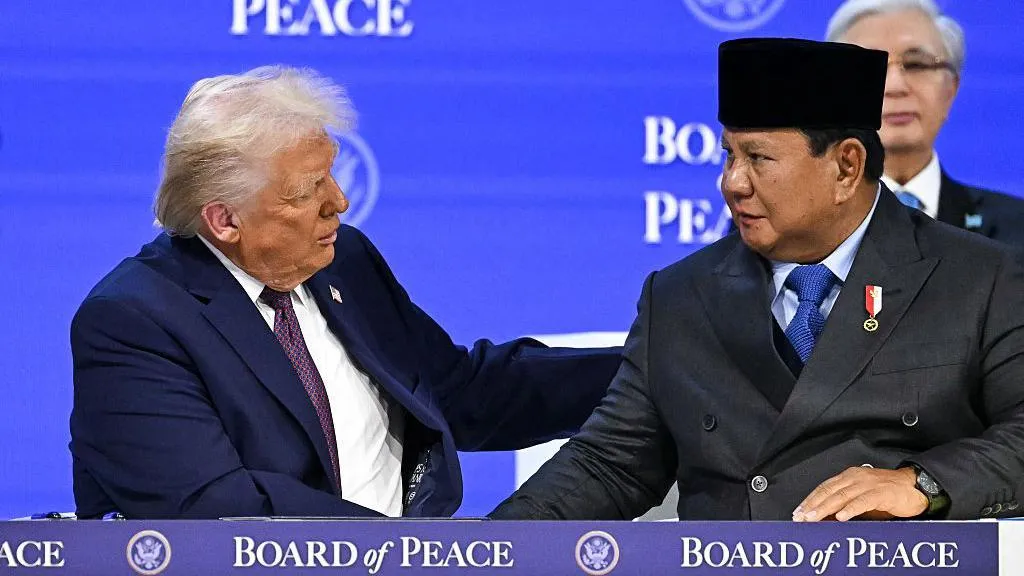
According to General Maruli Simanjuntak, the army's chief of staff, training for these troops is already underway, with a focus on providing medical and engineering support in Gaza.
Indonesia has recently joined the Board of Peace initiated by President Donald Trump, an announcement that was made last month.
The United Nations Security Council has given Indonesia a mandate to establish an International Stabilization Force, tasked with securing border areas in Gaza and overseeing the demilitarization of the territory, including the disarmament of Hamas.
The Board of Peace, scheduled to convene for the first time in Washington on February 19, will also play a role in overseeing the establishment of a new technocratic government in Gaza and guiding post-conflict reconstruction efforts.
While the specifics of the Indonesian troop deployment, including timing and role, have yet to be finalized, it appears that President Prabowo Subianto is moving forward with the plan.
President Subianto's decision to participate in Trump's Board of Peace has drawn criticism from certain Islamic groups within Indonesia, where there is significant public discontent regarding the US role in Israel's military actions in Gaza.
President Subianto has countered that, as the world's most populous Muslim nation, Indonesia has a responsibility to contribute to stabilizing Gaza, with the ultimate goal of achieving a two-state solution to the Israeli-Palestinian conflict.
A report by Israel's public broadcaster Kan indicates that a location in southern Gaza, situated between Rafah and Khan Younis, has been designated for the Indonesian army to construct barracks that will accommodate several thousand troops.
Other Muslim countries, including Turkey and Pakistan, are considering troop deployments as well, but have emphasized that their roles would be limited to peacekeeping and would not involve participation in the planned disarmament of Hamas.
However, given Hamas's refusal to disarm as long as Israel maintains its presence in parts of Gaza, a lasting peace that an international force could support has yet to be achieved.
-
 News8 hours ago
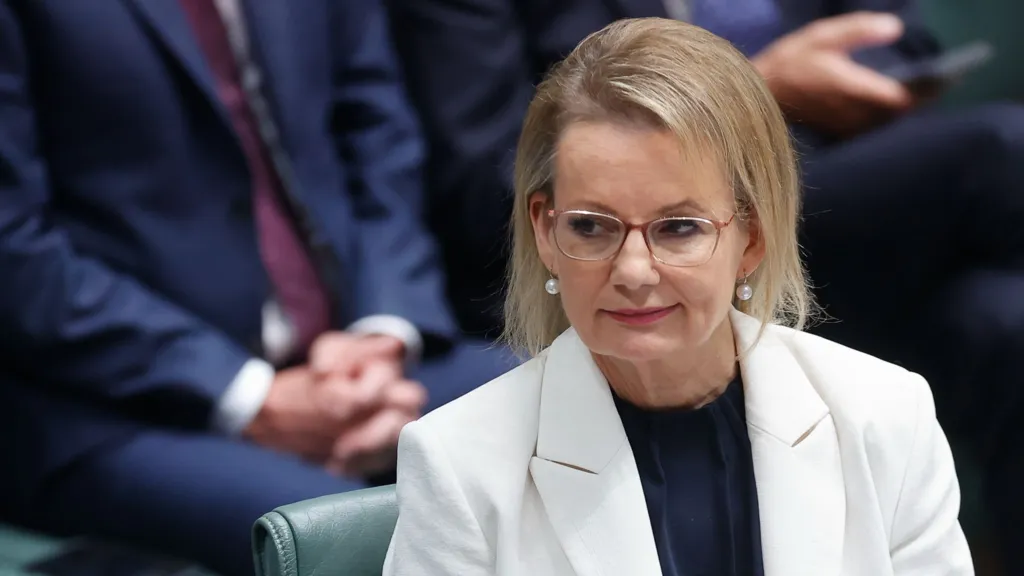
Australian Politics Faces Questions Over Gender Equality Amid Sussan Ley’s Appointment
-
 News5 hours ago
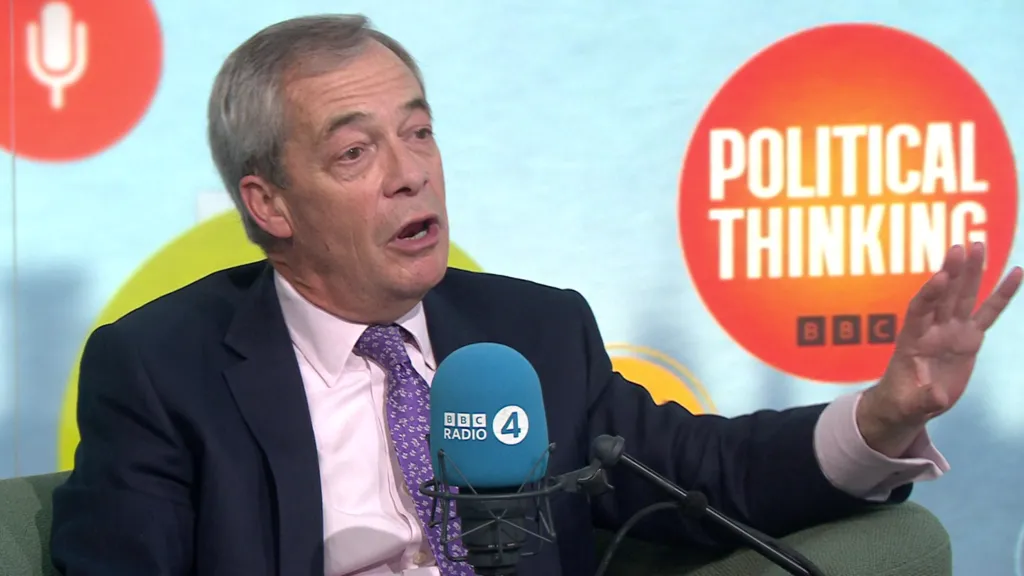
Farage Says Reform to Replace Traditional Tory Party
-
 News5 hours ago
Wrexham Pair Seek Win Against Former Team Ipswich
-
 News11 hours ago
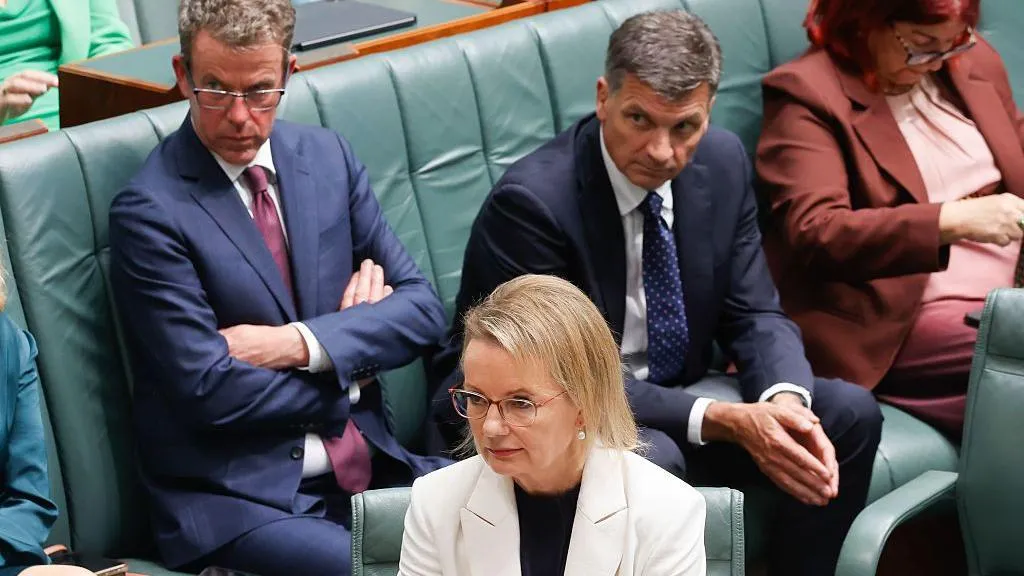
Liberal Party Removes Australia’s First Female Leader
-
 News8 hours ago
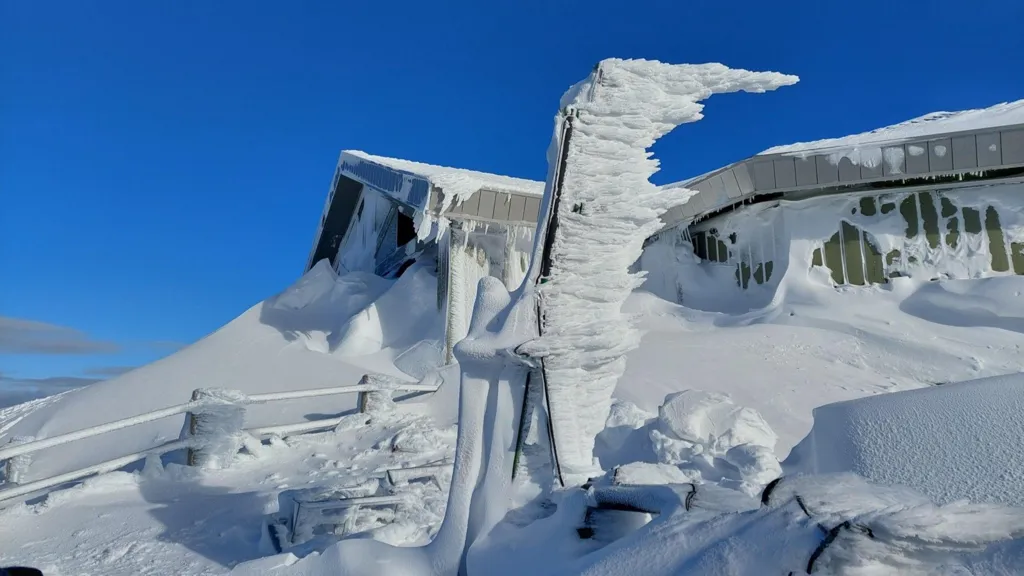
UK Braces for Cold Snap with Snow and Ice Alerts Expected
-
 News5 hours ago
Husband’s alleged £600k theft for sex and antiques blamed on drug side effects
-
 Business11 hours ago
BBC Reporter Exposed to Cyber Attack Due to Vulnerabilities in AI Coding Tool
-
 News8 hours ago
Canadian Town Unites in Mourning After Mass Shooting Leaves Community Reeling