
Middle East
Iran protesters share stories of brutal crackdown
Iranians who are young have shared with the BBC their accounts of witnessing friends and others lose their lives as security forces quelled protests that took place earlier this month.
Many individuals have a personal connection to the recent protests, having lost someone close to them in the violence.
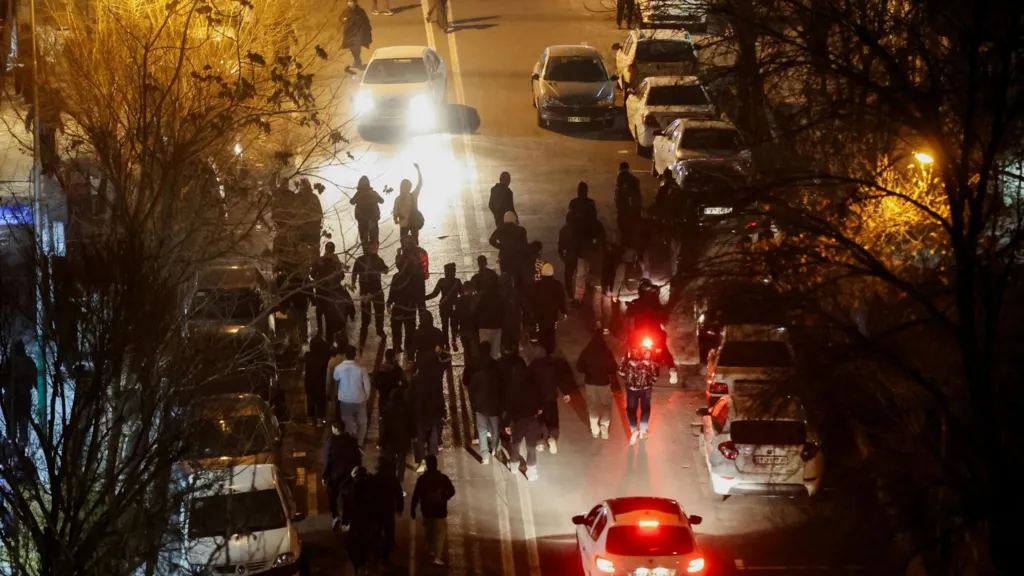
A 29-year-old resident of Tehran, Parisa, described the recent security crackdown in Iran as unprecedented in her experience.
Parisa noted that, in previous instances of widespread protests, she did not personally know anyone who had been killed.
According to Parisa, at least 13 people she knew had lost their lives since the protests began on 28 December, initially sparked by economic concerns in the capital, and subsequently became one of the deadliest periods of anti-government unrest in the Islamic Republic's history.
As a human rights group reports over 6,000 confirmed fatalities, several young Iranians, who spoke to the BBC in recent days despite severe internet restrictions, have shared their personal experiences of loss; their names have been withheld to protect their safety.
According to Parisa, a 26-year-old woman she was acquainted with lost her life in a shower of gunfire during the nationwide protests that unfolded on January 8 and 9, as authorities employed deadly force to quell the unrest.
Parisa participated in a demonstration in northern Tehran on the Thursday in question, describing the gathering as peaceful.
She recounted that the protesters remained calm and did not engage in any altercations with security personnel, yet despite this, authorities still resorted to firing on the crowd the following night.
The acrid scent of gunpowder and bullets permeated the areas where confrontations occurred, leaving a lasting impression.
Mehdi, a 24-year-old from Tehran, shared Parisa's perspective on the scope of the protests and the subsequent violence that erupted.
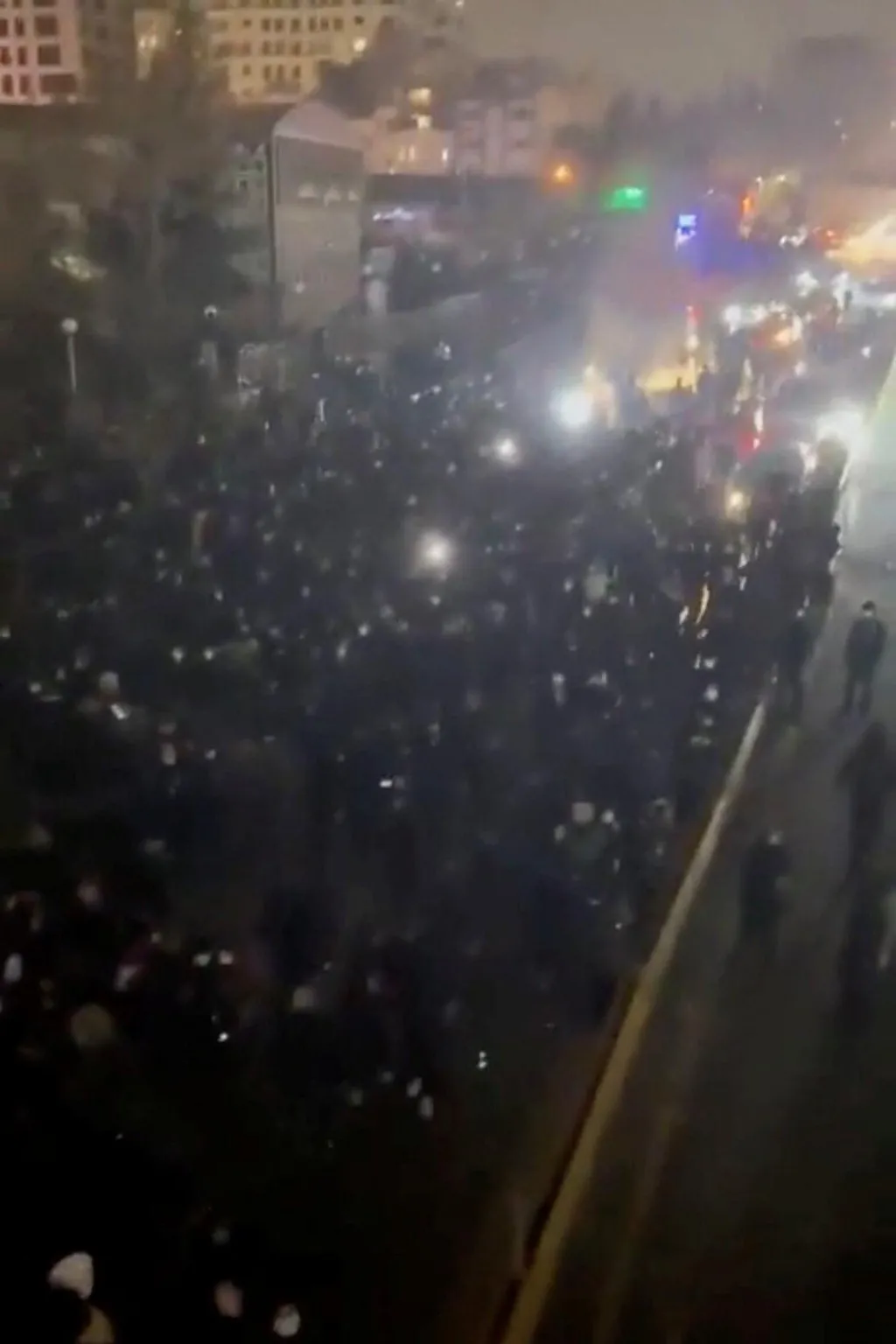
The level of violence and turnout at the scene was unprecedented, according to the witness, who described it as unparalleled in his experience.
On Thursday, 8 January, the security forces' use of lethal force did not deter protesters, who continued to demonstrate on Friday despite the threat of further violence, driven by desperation and a sense of having no alternative.
Mehdi recounted being an eyewitness to the fatal shooting of multiple protesters by security personnel at close proximity.
A young man was fatally shot with two live rounds in an incident that occurred right in front of the witness, who provided a firsthand account of the event.
In another incident, a motorcyclist fired a shotgun at a young man's face at point-blank range, causing him to fall to the ground, from which he did not recover.
According to the Human Rights Activists News Agency (Hrana), a US-based organization, the death toll from the ongoing unrest has reached at least 6,159 confirmed fatalities. This figure includes 5,804 protesters, 92 children, and 214 individuals connected to the government, with an additional 17,000 reported deaths currently under investigation.
A representative from Hrana, Skylar Thompson, informed the BBC that the number of confirmed deaths is expected to increase as more information becomes available.
Hrana is dedicated to providing accurate and detailed reporting, with Thompson emphasizing the importance of verifying each piece of information and attributing it to a specific name and location.
Iran Human Rights (IHR), a Norway-based group, has cautioned that the ultimate death toll could be substantially higher, potentially exceeding 25,000.
In a recent statement, Iranian authorities reported that over 3,100 people had lost their lives, attributing the majority of these deaths to security personnel or bystanders who were allegedly attacked by "rioters".
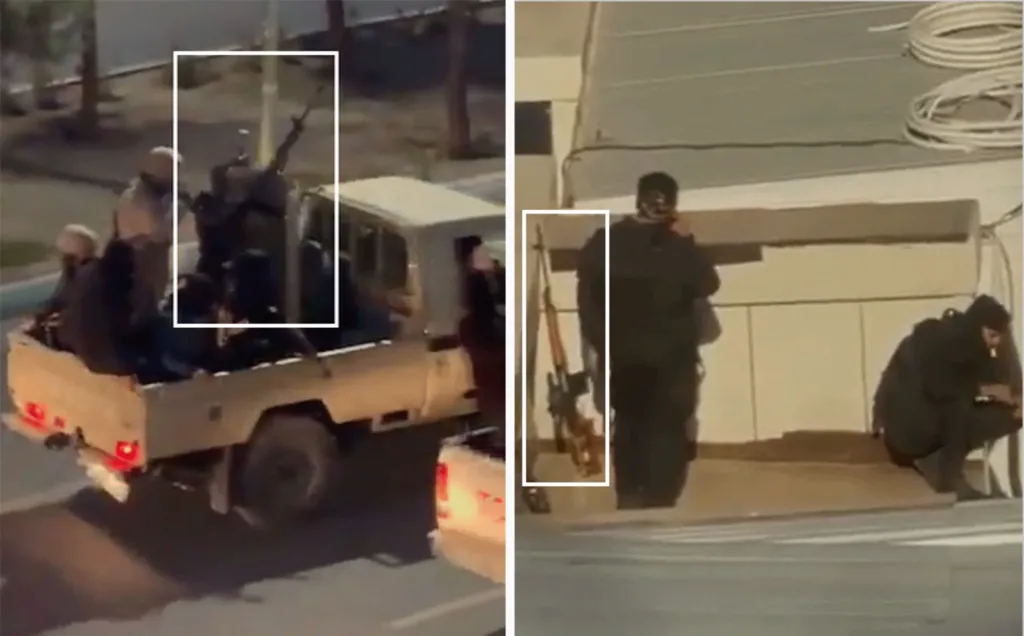
Iran's restrictive visa policies for international news outlets hinder their capacity to report on events within the country. However, the BBC has authenticated footage of security personnel using live ammunition against demonstrators.
A 27-year-old resident of the capital, Sahar, reported knowing seven individuals who lost their lives in the unrest.
Sahar recounted how the security forces' tactics intensified on 8 January, marking a significant escalation in their response to the protests.
As protests continued into the evening of 8 January, Sahar and her friends took shelter in a nearby residence after security forces deployed tear gas.
Sahar recalled a disturbing incident, stating, "One of my friends looked out the window to assess the situation, and he was shot in the neck."
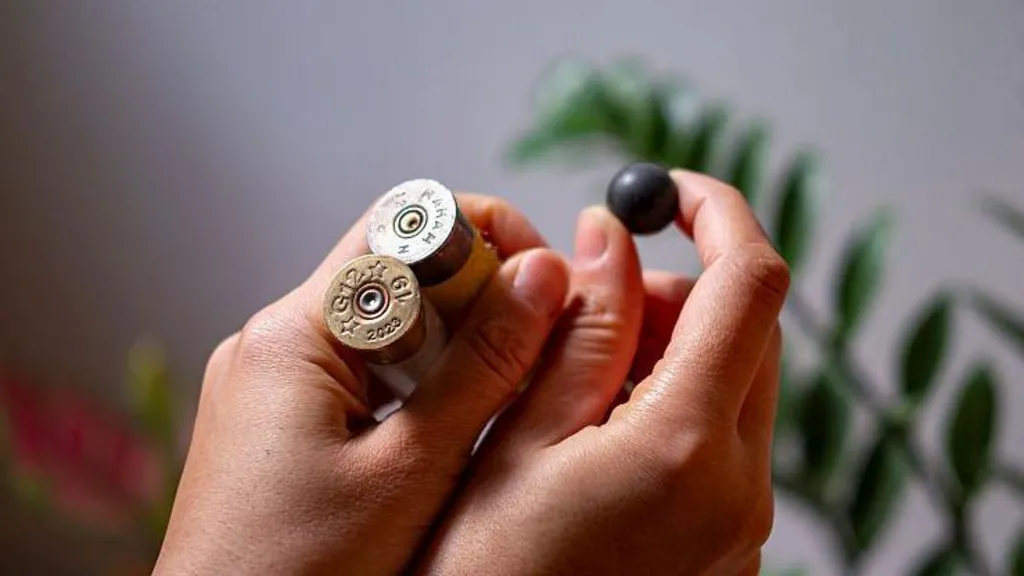
A friend of Sahar's suffered injuries from pellets and ultimately succumbed to blood loss after choosing not to seek medical attention due to concerns about potential detention.
According to Sahar, a third friend lost their life while in the custody of the Islamic Revolution Guard Corps (IRGC).
The family of the deceased was initially instructed to visit the IRGC intelligence office, only to be contacted later and informed that they could collect the body.
Sahar reported that on January 9, security personnel in uniform openly fired live ammunition without restraint.
Sahar described the scene, stating that security forces were using lasers to target individuals, while local residents were providing shelter by opening their car park doors for people to take cover.
The lack of communication exacerbated the distress of those affected.
Sahar expressed frustration, stating, "Currently, we have no access to information." She noted that the absence of internet and phone services made it difficult to gather updates on loved ones, with only sporadic calls yielding fragmented news.
Parham, a 27-year-old, recounted the frequent use of pellet guns by security personnel in Tehran, with a notable pattern of targeting protesters' facial areas, including their eyes.
On January 9, one of Parham's friends, 23-year-old Sina, suffered a gunshot wound to the forehead and eye.
According to Parham, when they took Sina to a hospital, the doctor was only able to provide a prescription and instructed them to depart the premises as quickly as possible.
A steady stream of injured protesters arrived at the eye hospital, according to eyewitnesses.
The frequency of new arrivals was staggering, with someone being brought in for treatment roughly every 10 minutes, having been struck by a pellet.
A cafe worker at the hospital reported witnessing approximately 70 individuals with eye injuries during a single work shift, as noted by Parham.
Sina, who still has pellets lodged behind one eye and in his forehead, explained that he and others had initially avoided a public hospital due to fears of arrest, which would have required providing identification numbers, and instead opted for a private eye hospital.
Sina described himself as fortunate compared to many others he met at the hospital, who had suffered more severe injuries, with pellets embedded in their faces and both eyes.
A medical document obtained by the BBC, bearing Sina's name, indicates the presence of a 5mm metallic object located behind his eye.
The BBC has verified medical records for several protesters who sustained injuries from pellet guns, in addition to Sina's case.
Families of deceased protesters have reported difficulties in obtaining the bodies of their loved ones from the authorities, with some describing a consistent pattern of denial.
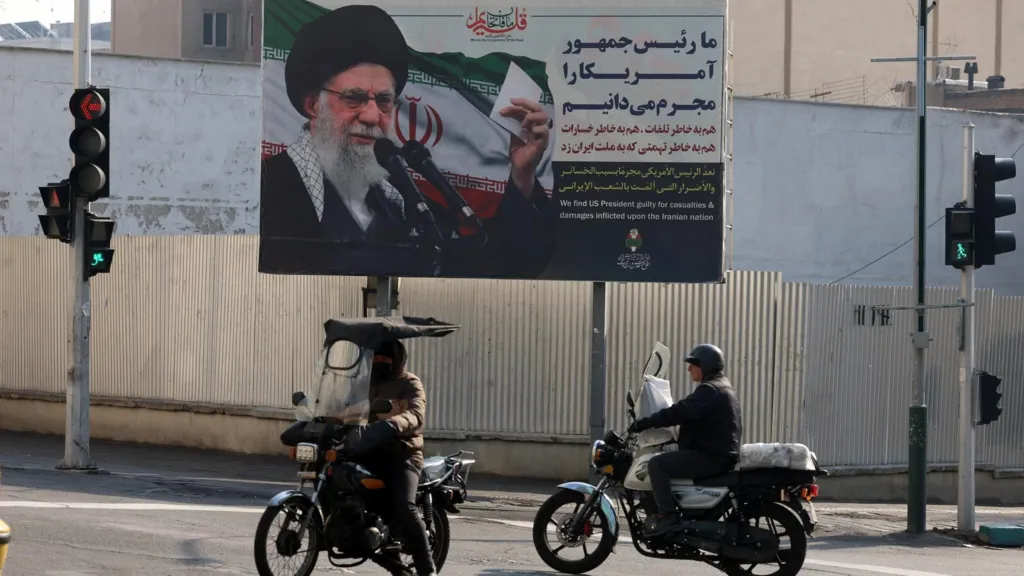
Mehdi recounted an incident involving his friend's cousin, who was fatally injured; according to Mehdi, the family was given an ultimatum by officials to either pay a substantial sum or sign a statement misrepresenting the cousin's affiliation.
As Mehdi recalled, the officials' demand was to pay 1 billion tomans, equivalent to over $7,000 or £5,000, in exchange for the body, or to falsely declare the individual a member of the Basij force who died in the line of duty, supposedly fighting against riots.
A 38-year-old resident of Isfahan, Navid, reported that two of his close friends, who had lost relatives in the unrest, were given an ultimatum by the authorities.
According to Navid's friends, the ultimatum stated that they must either pay a substantial sum, equivalent to several thousand dollars, or accept a Basij card, which would categorize their deceased relatives as members of the security forces.
Organizations advocating for human rights have expressed concern that this tactic is being used to not only penalize the families of protesters but also to conceal the actual number of fatalities.
Middle East
BBC reports from Tehran as Iran commemorates Islamic revolution anniversary
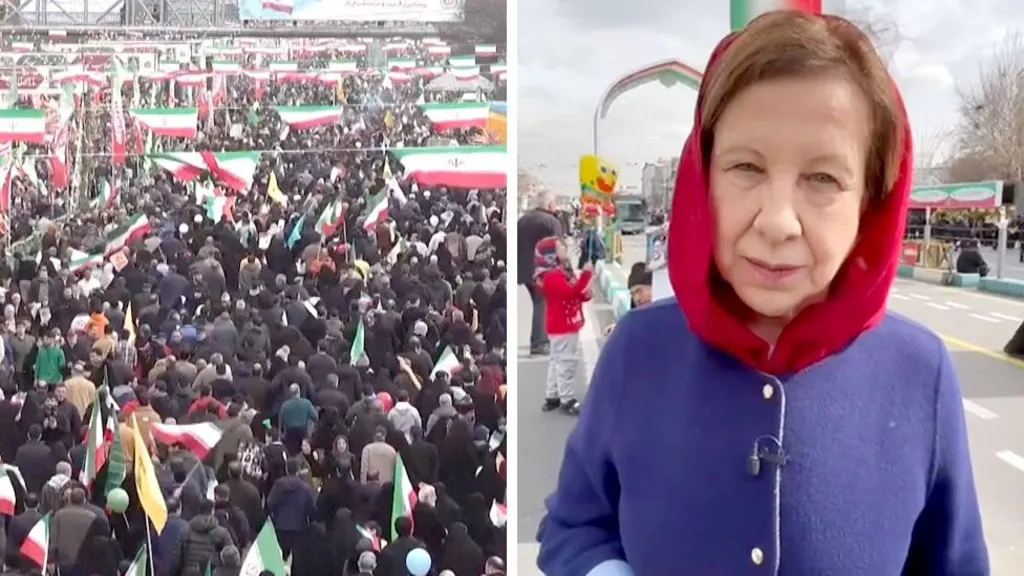
BBC correspondent Lyse Doucet has arrived in Iran, marking her first visit to the country since authorities suppressed widespread demonstrations against the government.
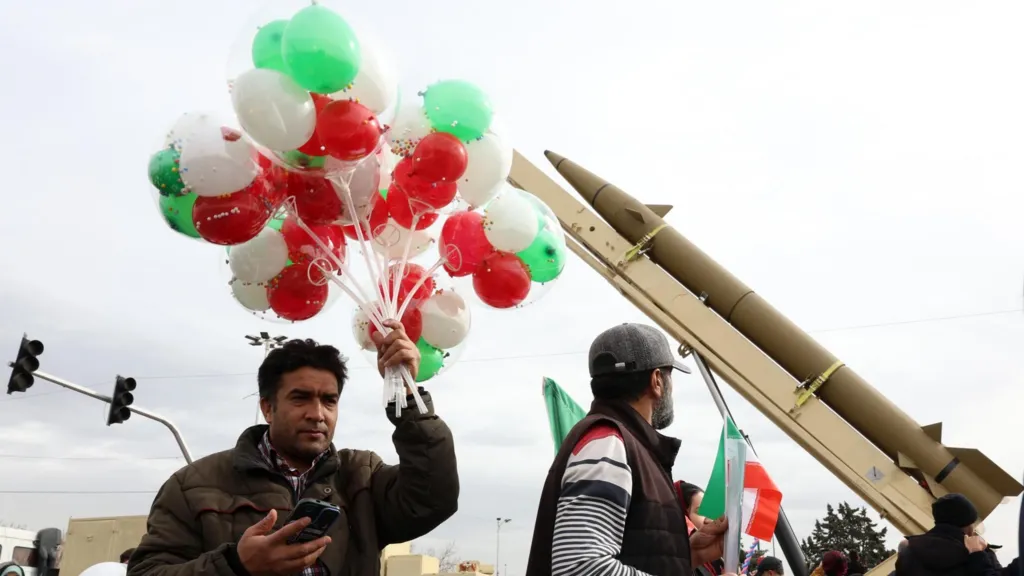
Iran's government has staged a display of strength to commemorate the 47th anniversary of the Islamic revolution, following a period of intense repression of anti-government demonstrations.
The BBC has gained access to Tehran for the first time since the authorities' crackdown on protests, which resulted in the deaths of at least 6,490 people, according to estimates by human rights activists.
Lyse Doucet, the BBC's chief international correspondent, observes that the capital's streets, adorned with festive decorations and filled with crowds of supporters, reflect the government's desired image of a unified nation, with Iranians demonstrating their allegiance to the Islamic Republic and its founding revolution.
Middle East
BBC reports from Tehran for the first time since the protest crackdown
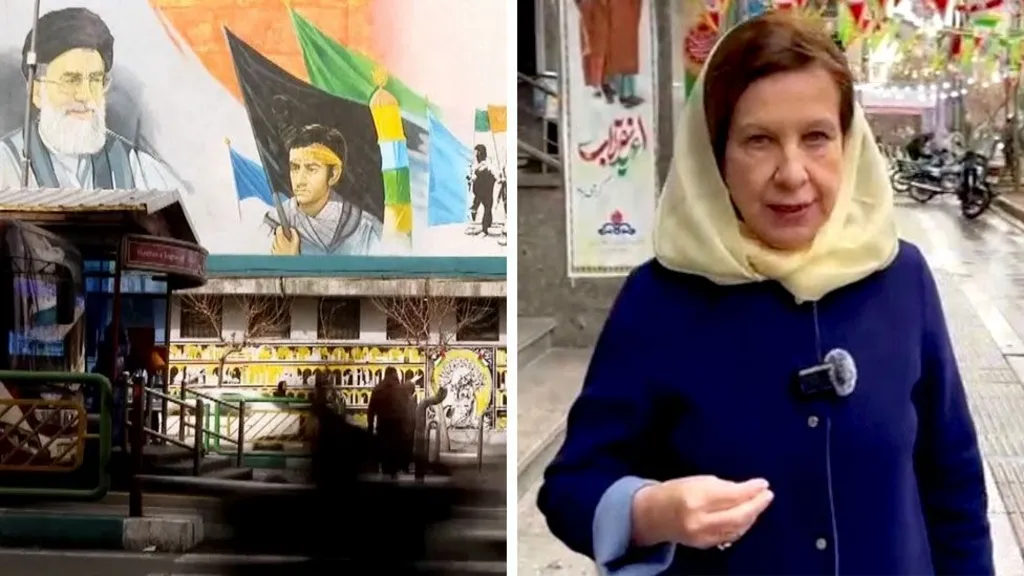
In Iran, the aftermath of the government’s crackdown on protests remains a sensitive issue, with the effects of the unusually strong measures still being felt, according to Lyse Doucet, reporting from the country.
For the first time since a nationwide crackdown on anti-government demonstrations, a BBC team has entered Iran to report on the current situation.
As Iran commemorates the 47th anniversary of the Islamic Revolution, the streets of Tehran are adorned with festive decorations, yet the memory of the recent protests and the subsequent use of force by security personnel remains a sensitive issue.
According to human rights activists, the confirmed number of protester fatalities stands at a minimum of 6,400, although they caution that the actual death toll may ultimately be significantly higher.
Asia
Indonesia plans to deploy up to 8,000 troops to Gaza
As part of the second phase of the ceasefire agreement facilitated by the US in the previous year, this nation would become the first to take such action.
Indonesia is making preparations to deploy a contingent of up to 8,000 soldiers to Gaza, marking the first such commitment under the second phase of a ceasefire agreement facilitated by the United States towards the end of last year.
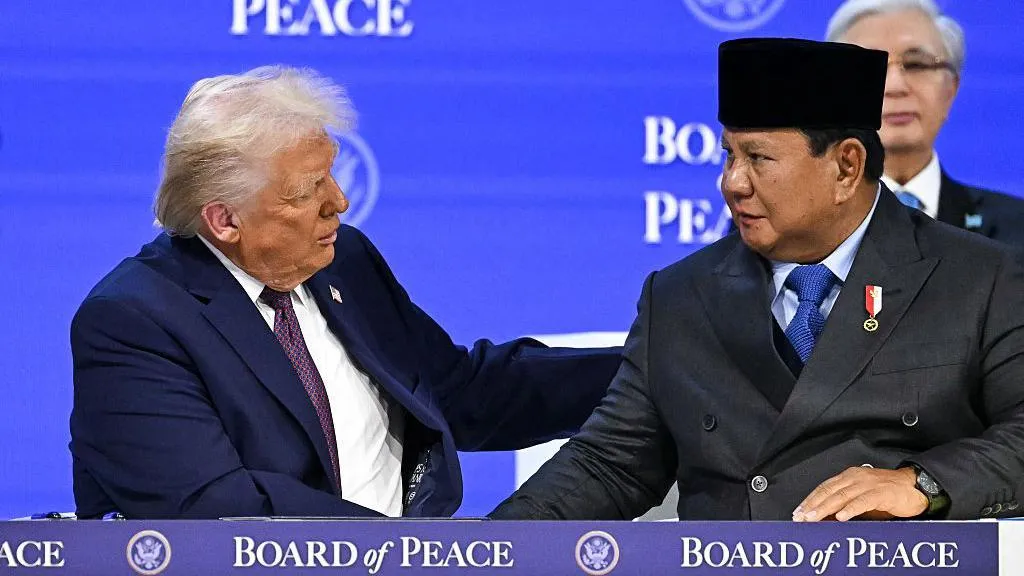
According to General Maruli Simanjuntak, the army's chief of staff, training for these troops is already underway, with a focus on providing medical and engineering support in Gaza.
Indonesia has recently joined the Board of Peace initiated by President Donald Trump, an announcement that was made last month.
The United Nations Security Council has given Indonesia a mandate to establish an International Stabilization Force, tasked with securing border areas in Gaza and overseeing the demilitarization of the territory, including the disarmament of Hamas.
The Board of Peace, scheduled to convene for the first time in Washington on February 19, will also play a role in overseeing the establishment of a new technocratic government in Gaza and guiding post-conflict reconstruction efforts.
While the specifics of the Indonesian troop deployment, including timing and role, have yet to be finalized, it appears that President Prabowo Subianto is moving forward with the plan.
President Subianto's decision to participate in Trump's Board of Peace has drawn criticism from certain Islamic groups within Indonesia, where there is significant public discontent regarding the US role in Israel's military actions in Gaza.
President Subianto has countered that, as the world's most populous Muslim nation, Indonesia has a responsibility to contribute to stabilizing Gaza, with the ultimate goal of achieving a two-state solution to the Israeli-Palestinian conflict.
A report by Israel's public broadcaster Kan indicates that a location in southern Gaza, situated between Rafah and Khan Younis, has been designated for the Indonesian army to construct barracks that will accommodate several thousand troops.
Other Muslim countries, including Turkey and Pakistan, are considering troop deployments as well, but have emphasized that their roles would be limited to peacekeeping and would not involve participation in the planned disarmament of Hamas.
However, given Hamas's refusal to disarm as long as Israel maintains its presence in parts of Gaza, a lasting peace that an international force could support has yet to be achieved.
-
 News10 hours ago
Australian Politics Faces Questions Over Gender Equality Amid Sussan Ley’s Appointment
-
 News7 hours ago
Farage Says Reform to Replace Traditional Tory Party
-
 News7 hours ago
Wrexham Pair Seek Win Against Former Team Ipswich
-
 News12 hours ago
Liberal Party Removes Australia’s First Female Leader
-
 News10 hours ago
UK Braces for Cold Snap with Snow and Ice Alerts Expected
-
 News7 hours ago
Husband’s alleged £600k theft for sex and antiques blamed on drug side effects
-
 News2 days ago
Sunbed ads spreading harmful misinformation to young people
-
 Business12 hours ago
BBC Reporter Exposed to Cyber Attack Due to Vulnerabilities in AI Coding Tool