
News
Sarwar’s election prospects uncertain after recent strategy shift
Earlier this week, the leader of the Scottish Labour party made a significant political move, urging the prime minister to resign.
Anas Sarwar's call for Sir Keir Starmer's resignation has significantly impacted the Scottish Parliament election campaign, introducing a new dynamic to the race.
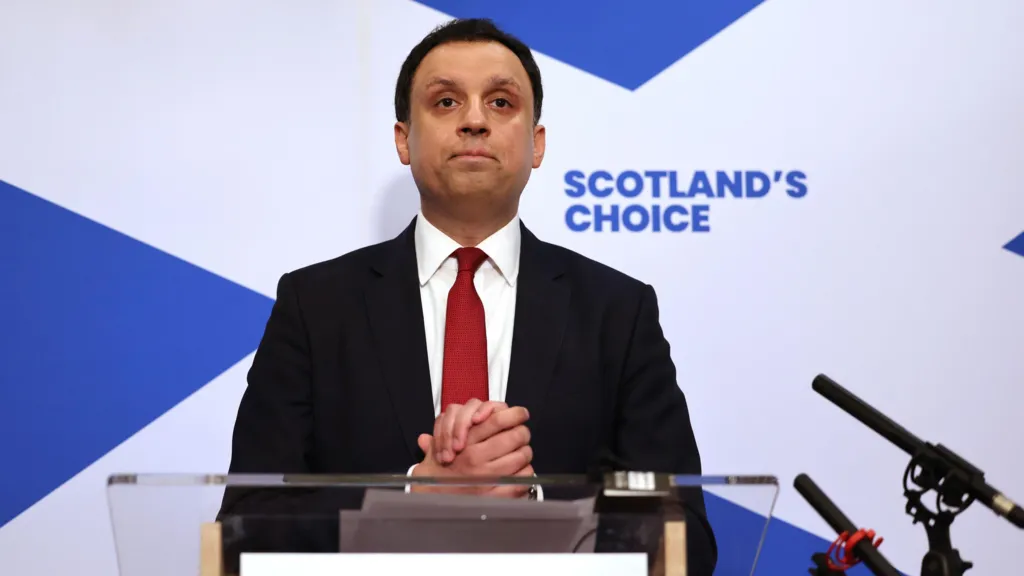
Prior to this development, Scottish Labour's poll numbers had stagnated, leaving the party far from contention for the top spot.
With the election just three months away, Sarwar's move can be seen as a high-stakes attempt to revitalize his party's chances, akin to a last-ditch effort in American football.
This bold strategy marks a turning point in the campaign, where the party must now commit fully to its new direction.
As the election approaches, politicians at Holyrood are assessing the implications of Sarwar's decision and considering how other parties might respond to this shift in the campaign's trajectory.
Immediately following Sarwar's press conference, Starmer's cabinet members took to social media to express their support for the prime minister, demonstrating a coordinated effort to counter Sarwar's move.
In contrast, the response from Scottish Labour members was more subdued, with some offering their backing in a trickle of statements and tweets.
A small group of Sarwar's colleagues attended the press conference, while others later voiced their support when questioned by journalists in Holyrood's garden lobby.
It has become clear that Sarwar's decision was not the result of a carefully planned strategy, but rather a spontaneous move.
The outcome of this move has not prompted any potential leadership challengers to emerge at Westminster, and the Welsh Labour leader ultimately threw their support behind the prime minister.
The aftermath of Sarwar's announcement saw MSPs arriving at Holyrood on Tuesday with a sense of uncertainty.
Sarwar himself was absent, reportedly working in the community, and his colleagues seemed reluctant to engage with the media or draw attention to themselves.
During topical questions, only three Labour MSPs were present in the chamber, although their numbers increased to six later in the day as the parliament debated legislative amendments.
This relatively low attendance is not unusual, given the current practice of contributing and voting remotely, which allows members to spend more time in their constituencies.

Labour's Neil Bibby, for example, shared a photo of himself campaigning in Paisley, highlighting the importance of local engagement.
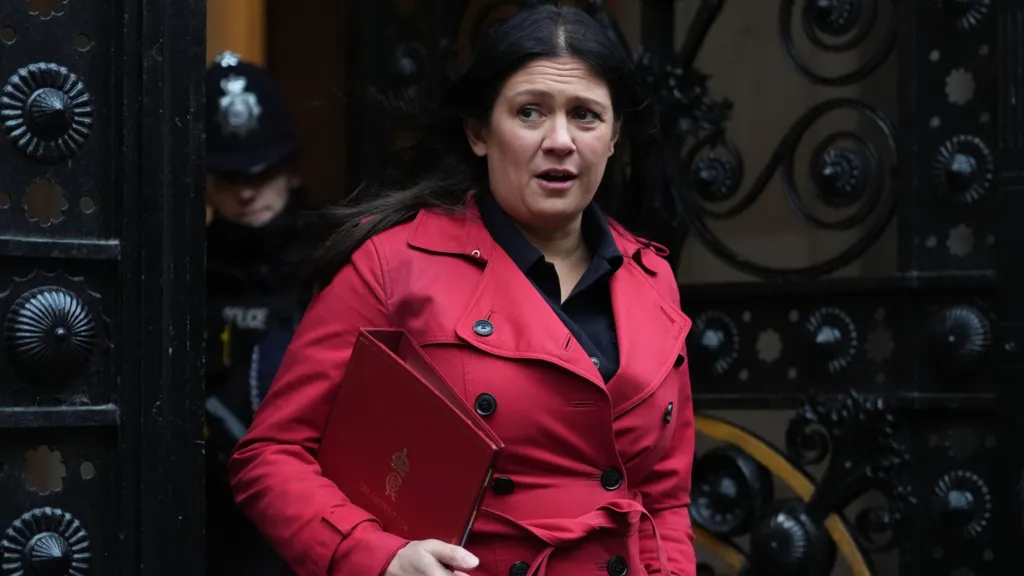
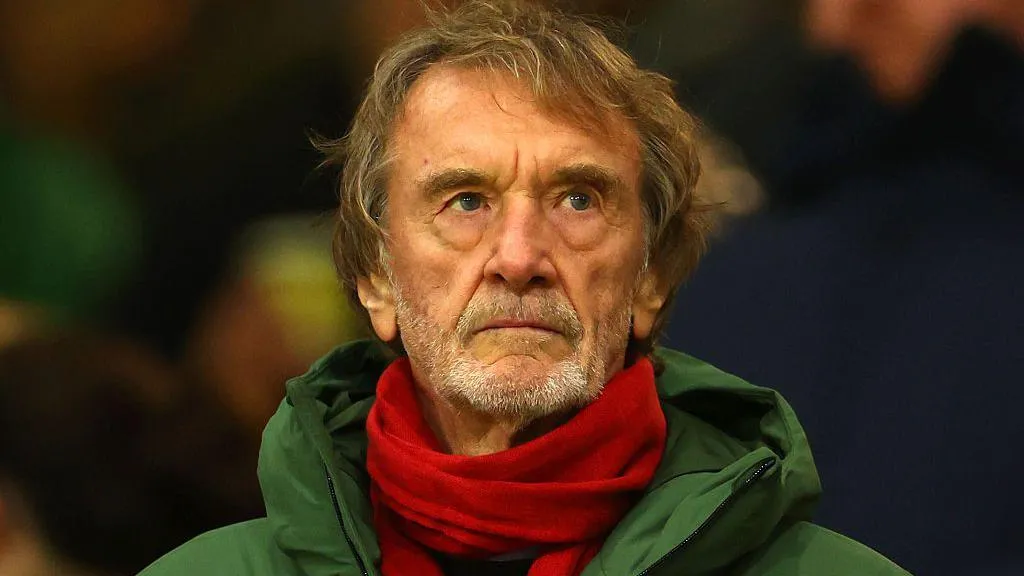
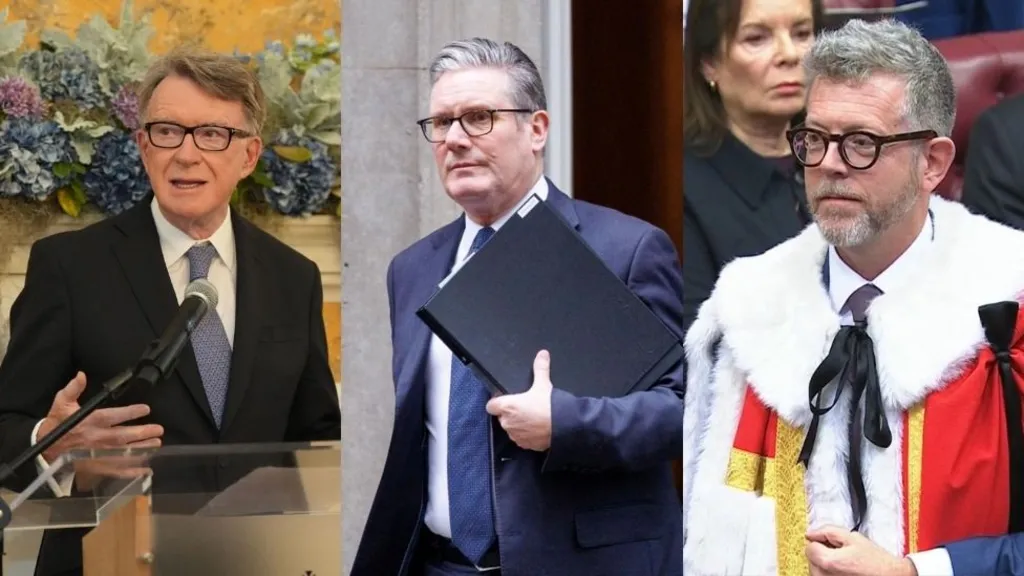
The difficulties faced by Labour canvassers, who have been confronted by voters dissatisfied with the UK government's actions, particularly regarding Peter Mandelson and Jeffrey Epstein, have contributed to Sarwar's decision.
By distancing himself from the UK government, Sarwar appears to be attempting to redirect the focus away from Labour's association with an unpopular administration.
This move may allow Labour to shift the attention of disaffected voters towards the Scottish government, rather than the UK one, potentially creating an opportunity for the party to regain traction.
Labour MSPs were quick to enumerate their grievances with the UK administration, citing issues such as winter fuel payments, welfare reforms, and the treatment of Waspi women.
Prior to Sarwar's announcement, Labour had been struggling to gain momentum, with polls suggesting the party was vying with Reform UK for second place, rather than challenging the SNP for the top spot.
Sarwar released a campaign video on social media, reiterating his commitment to prioritizing the country's interests over party loyalty.
The video's messaging, which emphasized the importance of putting Scotland first, was reminiscent of the SNP's "stronger for Scotland" slogan, and the press conference's backdrop featured a prominent Saltire banner.
It is expected that digital messaging will play a significant role in Labour's campaign strategy going forward.
However, it is worth noting that the UK party has been financing this effort thus far, raising questions about the potential for continued support.
According to Google's Ad Transparency library, the UK party has spent at least £65,000 on Scottish-specific ads over the past couple of months, featuring Sarwar prominently.
In contrast, the Scottish Labour account has only run a single ad during this period, with a maximum spend of £200.
The sustainability of this level of support from the UK party HQ is uncertain, although Sarwar may be counting on the prime minister's vested interest in the election's outcome to maintain funding.
On Tuesday afternoon, the prime minister reaffirmed his support for Sarwar, describing him as an "incredible" potential first minister, despite their apparent differences.
Meanwhile, other parties at Holyrood are observing the developments with interest, sensing potential opportunities in the uncertainty.
Sarwar's move has introduced an element of unpredictability to the campaign, which may have far-reaching consequences.
The SNP, in particular, may find it advantageous to keep the current prime minister in place, as they seek to position themselves as the anti-Starmer vote.
However, the party is increasingly confident that the situation will ultimately benefit them, regardless of the outcome, as a potential leadership vacuum at Westminster could lead to a messy and divisive contest.
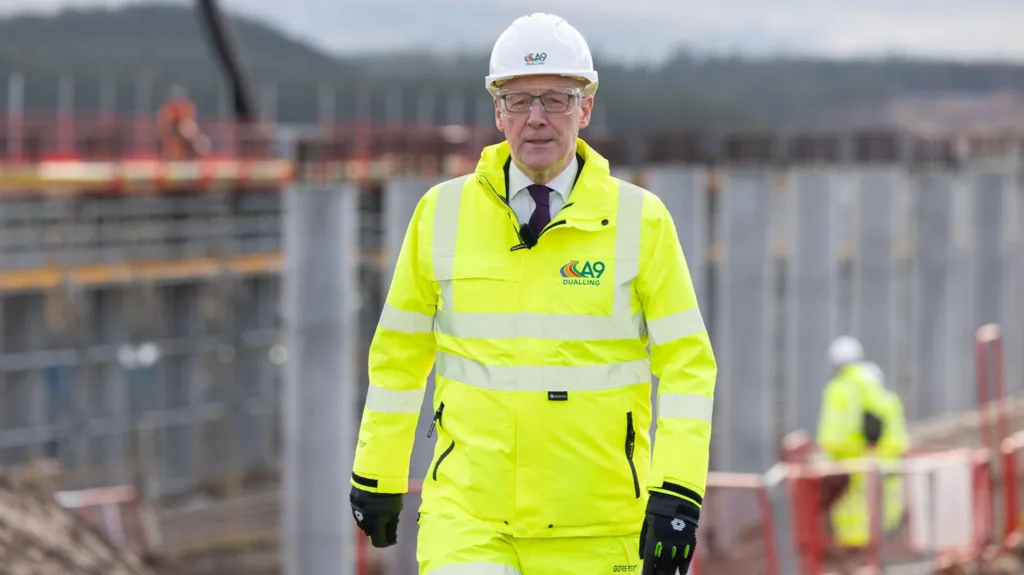
John Swinney has previously adopted a cautious approach, criticizing Starmer without explicitly calling for his resignation.
The first minister has largely maintained a distance from the issue, allowing Westminster leader Stephen Flynn to take on a more confrontational role.
Nevertheless, the SNP's strategy may shift in response to the evolving situation, as senior figures become increasingly confident that Sarwar's move will ultimately backfire.
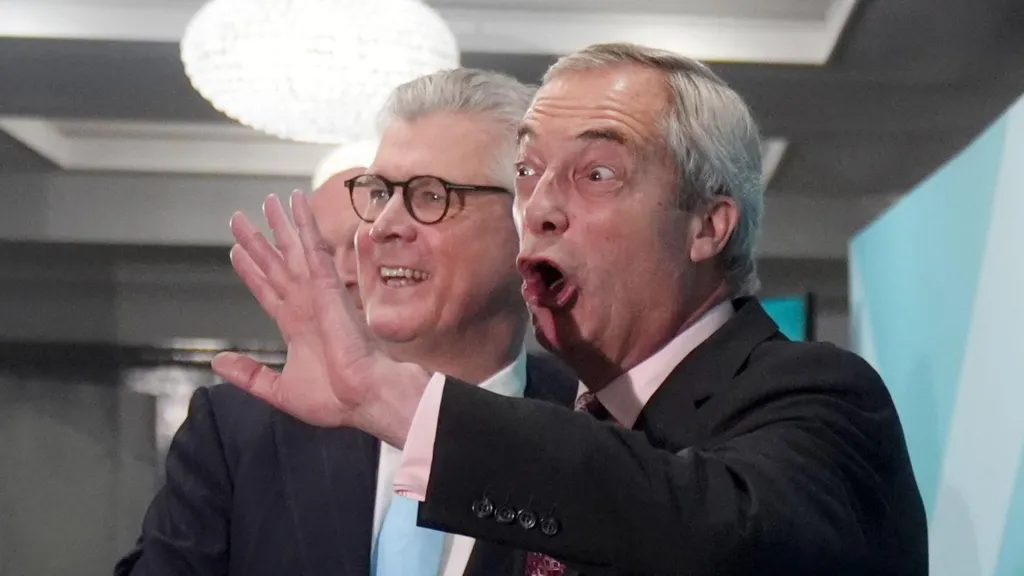
Some within the party are even speculating about the possibility of a "two-horse race" between the SNP and Reform UK, as Labour's fortunes continue to decline.
Nigel Farage's party has recently made gains in areas such as West Lothian, where the Labour vote has collapsed, and has polled strongly in former Labour strongholds in Fife and around Glasgow.
The Scottish Conservatives, meanwhile, are struggling to gain traction, and are eager for any development that might alter the campaign's dynamics.
The Scottish Greens are also seeking to capitalize on the situation, having tabled a Holyrood motion calling for the prime minister's resignation and challenging Labour members to support it.
Scottish Labour's goal is to refocus the campaign on devolved issues, untangling themselves from the perceived liabilities of the UK government, which Sarwar has described as a "distraction."
The party is scheduled to lead two debates in the Holyrood chamber on Wednesday, focusing on the Queen Elizabeth University Hospital and community policing issues.
However, Anas Sarwar's presence at these debates may shift attention away from the topics at hand and towards the recent developments in Westminster, where he has been involved.
Sarwar's strategy likely involves making his move early enough to allow the current discussions to subside by the time the official campaign begins, thereby minimizing the need to defend the UK government's actions.
Alternatively, he may be positioning himself to capitalize on potential future developments, such as the outcome of the Gorton and Denton by-election.
Nevertheless, events can quickly disrupt even the most carefully laid plans, and within a 24-hour period, Sarwar found himself realigning with the UK leadership.
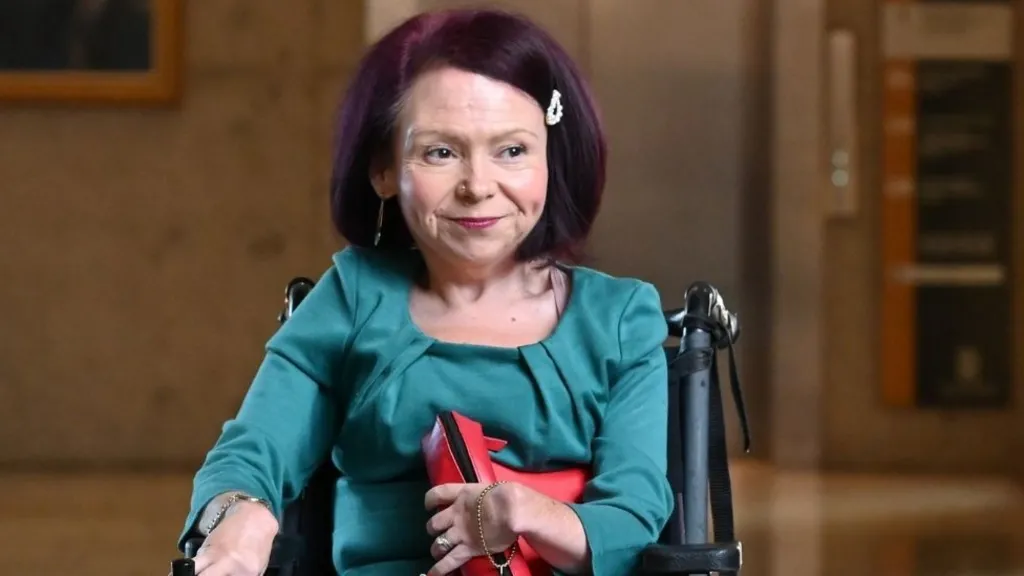
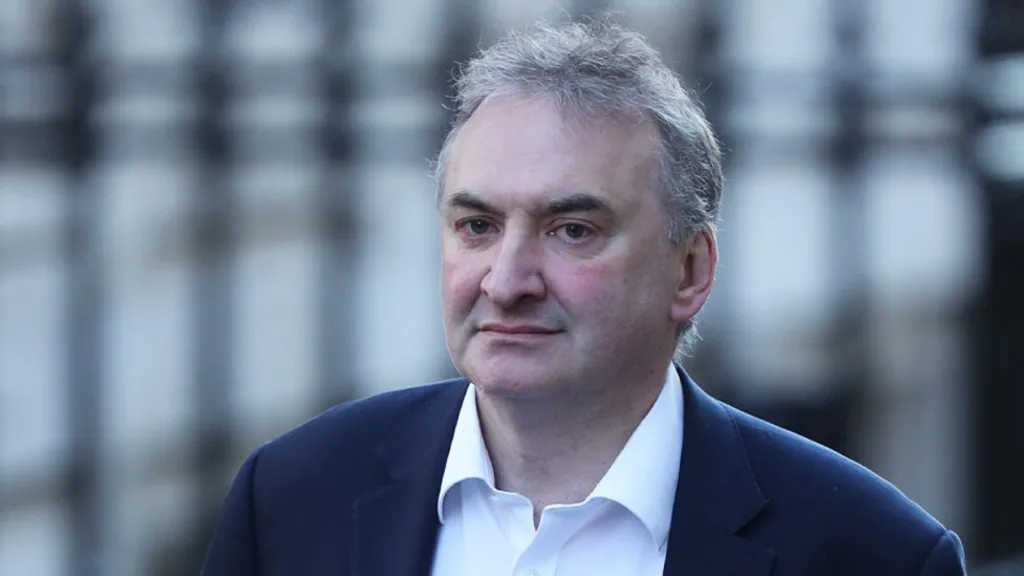
Following months of scrutiny, Labour ultimately withdrew the whip from MSP Pam Duncan-Glancy due to her ongoing association with convicted sex offender Sean Morton, a decision that coincided with similar action taken against Matthew Doyle in the House of Lords.
Despite efforts to distinguish itself, the Scottish Labour party utilizes the same independent complaints process as its UK counterpart, which has led to the suspension of both Duncan-Glancy and Doyle while their cases are investigated.
As the May election approaches, with its focus on Holyrood, it is essential to remember that Westminster events still hold significance.
Voters maintain strong opinions on various issues, including immigration, foreign affairs, and independence, all of which are intertwined with intergovernmental dynamics.
Furthermore, the public will inevitably have an opinion on who should occupy the office of prime minister.
By taking his recent stance, Sarwar aimed to align himself more closely with the views expressed by a significant portion of the electorate in polls and conversations with politicians.
The success of Sarwar's gamble will ultimately be determined when voters cast their ballots in the upcoming election.
News
GB men’s curling team suffers upset defeat to Italy
At the 2026 Winter Olympics, Great Britain’s men’s curling team mounted a comeback against Italy following a disappointing beginning, ultimately falling short in their inaugural match.
Despite a valiant comeback, Team GB ultimately fell short as Italy held their composure to secure the win in the final end.
A dismal start to the match proved costly for Team GB's men, as they suffered their first defeat of the Winter Olympics at the hands of host nation Italy, despite a spirited fightback in the packed Cortina Curling Stadium.
Following victories in their first two matches, including a win over the Swedish rink that beat them in the gold-medal match four years ago, Team GB entered their second high-profile encounter in as many days in a confident position.
However, a disastrous opening end, in which Italy stole four points, left Team GB trailing and facing an uphill battle in front of a boisterous home crowd.
The British team, currently ranked number one in the world, gradually regained their footing and managed to level the score by the ninth end.
Ultimately, Italy maintained their composure in the final end to emerge victorious, winning 9-7 and adding Team GB to their list of scalps, which already included the Swedes.
"We had to dig deep and play some solid curling, but unfortunately, it wasn't enough to get us over the line," Team GB lead Hammy McMillan said in an interview with BBC Sport.
With seven wins from nine round-robin matches guaranteeing a spot in the semi-finals, Team GB remains in a strong position, although fewer wins may still be sufficient to advance.
The women's team is set to take to the ice next, facing South Korea in their second match at 13:05 GMT, while the men will return to action on Saturday against the Czech Republic at the same time.
Team GB is at the forefront of curling's technological advancements.
Embracing what sets you apart can be a powerful asset, according to some athletes.
A daily guide to the Winter Olympics is available for those looking to stay up-to-date with the action.
The looks of shock on the faces of Team GB's curlers told the story of a disastrous opening end.
With a stone in play, Mouat attempted a risky shot in an effort to claim two points, but it backfired, resulting in none of Team GB's stones in the house and four Italian stones in position.
However, the Scottish quartet, ranked number one in the world, quickly regained their composure and got back to their game.
The teams exchanged singles before a impressive final throw by Mouat, aided by a measurement to determine which stone was closest to the button, allowed Team GB to claim two points and narrow the gap to 5-3.
Another excellent team effort, which included a well-judged throw by Mouat, a solid sweep by Hammy McMillan and Bobby Lammie, and Grant Hardie's strategic expertise, forced Italy to concede a point in the fourth end, reducing the deficit to a single point at the break.
Italy blanked the sixth end and added two points in the seventh to rebuild their lead, but Team GB fought back with two points of their own, remarkably levelling the score with one end remaining after a steal.
The match came down to the final end, but Italy held their nerve to secure the win, prompting a deafening roar from the crowd.
"It's an incredible experience, and we need to get used to it," McMillan added, describing the electric atmosphere as "surreal" and "cool," more akin to a football match than a typical curling crowd.
News
Scotland Kicks Off Nations League Against Slovenia
Uefa has released the schedule for the Nations League, with Scotland set to begin their campaign on 26 September with an away match against Slovenia.
Uefa has released the schedule for the Nations League, with Scotland's campaign set to begin on 26 September with an away match against Slovenia.
The team's six group stage games will be played within a three-month period, culminating in a match against Switzerland on 16 November.
The fixture list was announced following Thursday's draw, which placed Scotland in a group with Switzerland, Slovenia, and North Macedonia.
Having been relegated from League A after a play-off loss to Greece last year, Scotland will compete in the second tier of the Nations League this year.
In response to the draw, head coach Steve Clarke noted that the teams in the group appear to be evenly matched.
Clarke reflected on the team's past experience in the competition, stating that it has been beneficial for Scotland.
He emphasized the importance of the Nations League, citing its role in helping the team qualify for Euro 2020, and anticipated a challenging set of matches.
A key matchup in the Nations League will see Scotland face off against Switzerland.
The group stage will determine the teams' fates, with the winner earning promotion, the runner-up entering a play-off, the third-placed team facing a relegation play-off, and the fourth-placed team being relegated directly.
The upcoming group games will mark a reunion for Scotland and Switzerland, who previously drew 1-1 in Cologne at Euro 2024.
Scotland's last encounter with Slovenia was during the 2018 World Cup qualification campaign, when they won 1-0 at home and drew 2-2 away.
The team has not played North Macedonia since the 2014 World Cup qualifiers, when they drew 1-1 at home and won 2-1 away, with goals from Ikechi Anya and Shaun Maloney.
The schedule for Scotland's Nations League campaign begins on 26 September with a match against Slovenia.
The team will then host Switzerland on 29 September, followed by a trip to face North Macedonia on 3 October.
Scotland will then play Slovenia at home on 6 October, before hosting North Macedonia on 11 November.
The final group stage match will see Scotland travel to face Switzerland on 16 November.
The team's home match against North Macedonia is set for 11 November.
The campaign will conclude with an away match against Switzerland on 16 November.
News
Golfer McIlroy Sinks Bunker Shot at Pebble Beach Pro-Am
At the AT&T Pebble Beach Pro-Am in California, Rory McIlroy achieved an eagle on the 14th hole at Spyglass Hill, capping off his opening round with a score of 68.
During the AT&T Pebble Beach Pro-Am in California, Rory McIlroy achieved an eagle on the 14th hole at Spyglass Hill, contributing to his first-round score of 68.
For further information, Rory McIlroy had a solid opening round, while Hisatsune took the lead.
Access to this content is restricted to users in the United Kingdom.
-
 News8 hours ago
Australian Politics Faces Questions Over Gender Equality Amid Sussan Ley’s Appointment
-
 News5 hours ago
Farage Says Reform to Replace Traditional Tory Party
-
 News5 hours ago
Wrexham Pair Seek Win Against Former Team Ipswich
-
 News11 hours ago
Liberal Party Removes Australia’s First Female Leader
-
 News9 hours ago
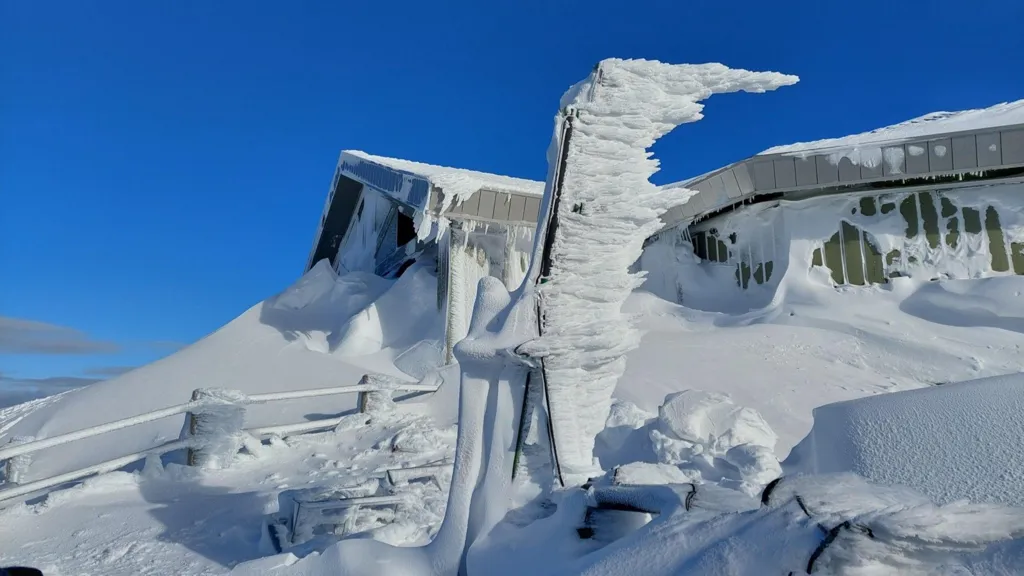
UK Braces for Cold Snap with Snow and Ice Alerts Expected
-
 News5 hours ago
Husband’s alleged £600k theft for sex and antiques blamed on drug side effects
-
 News2 days ago
Sunbed ads spreading harmful misinformation to young people
-
 Business11 hours ago
BBC Reporter Exposed to Cyber Attack Due to Vulnerabilities in AI Coding Tool