
News
Proposal to Lower UK Voting Age to 16 Introduced
A proposal has been put forth by the government to lower the voting age, allowing 16 and 17-year-olds to participate in the upcoming general election.
A new legislative proposal is set to be introduced in Parliament, aimed at granting 16 and 17-year-olds the right to participate in the upcoming general election.
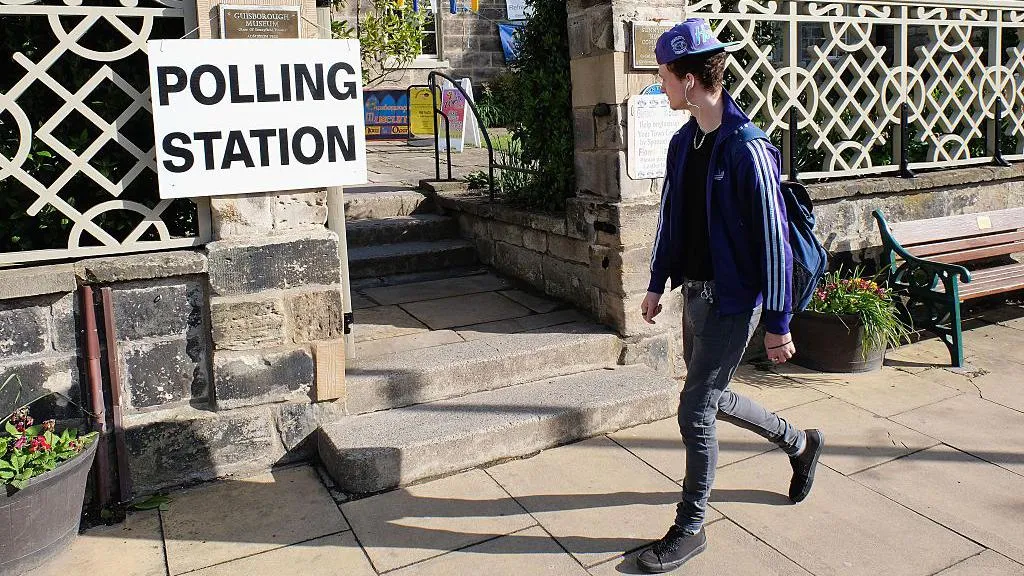
The Representation of the People Bill, scheduled for introduction on Thursday, encompasses a range of measures, including stricter regulations on political donations and enhanced protection against foreign interference in the electoral process.
In a separate development, seven local councils in England have been selected to pilot the use of alternative polling stations, such as train stations and supermarkets, in the May local elections, with the goal of increasing voter accessibility.
According to the government, reducing the voting age would facilitate greater youth engagement in the democratic process, ensuring that the voices of young people are represented.
However, some argue that 16-year-olds may not possess sufficient life experience to make informed voting decisions.
Sir James Cleverly, Shadow Local Government Secretary, stated that the Conservative party believes adulthood, and consequently the right to vote, begins at 18.
In Scotland and Wales, the minimum voting age is already set at 16 for local council elections, as well as elections to the Scottish Parliament and the Senedd.
For other types of elections, including those for the UK Parliament, local elections in England, and all elections in Northern Ireland, the minimum voting age remains 18.
If implemented, the proposed reduction in the voting age to 16 across the UK would constitute the most significant alteration to the electoral landscape since the voting age was lowered from 21 to 18 in 1969.
To become law, the bill must secure approval from both members of Parliament and the House of Lords, a process that can span several months.
The government aims to have the new legislation in place by the time of the next general election, which is scheduled to occur by 2029, although it may be called earlier.
Critics have suggested that the move to lower the voting age is motivated by political opportunism, as younger voters tend to lean towards left-wing parties.
Recent polls indicate that the Labour party's popularity among younger age groups is being challenged by the Green Party, which has gained significant support in recent months.
Given that 16 and 17-year-olds account for only approximately 3% of the population aged 16 and above, researchers believe that the impact of lowering the voting age on overall vote share is likely to be minimal, particularly considering the typically lower turnout rates among younger voters.
Liberal Democrat Cabinet Office spokesperson Lisa Smart expressed support for reducing the voting age to 16, but argued that the bill does not go far enough in addressing the broader issues affecting the democratic system.
Smart advocated for more comprehensive reforms, including the abolition of the current voting system, the democratization of the House of Lords, and the eradication of foreign influence in elections.
The proposed legislation also includes provisions to strengthen regulations surrounding foreign donations to political parties.
Currently, political parties are only permitted to accept donations from individuals registered on the UK electoral roll or from UK-registered companies that operate in the country.
However, concerns have been raised that foreign nationals may be able to circumvent these rules by donating through UK-registered companies with foreign affiliations.
Under the proposed reforms, companies making political donations would be required to demonstrate a genuine connection to the UK, including being headquartered in the country, being majority-owned or controlled by UK citizens or electors, and generating sufficient revenue in the UK to cover the donation.
Local Government Secretary Steve Reed stated that the Representation of the People Bill marks a significant step towards enhancing the security and integrity of the electoral process, while also empowering young people to participate in democracy.
Reed emphasized the need for these reforms, citing the growing threats to electoral security and the importance of engaging young people in the democratic process.
Other measures expected to be included in the government's elections strategy, as part of the bill, involve expanding the types of voter ID accepted in Great Britain to include UK-issued bank cards and implementing automatic voter registration.
For ongoing updates and analysis on the latest developments in Westminster and beyond, subscribe to our Politics Essential newsletter.

Entertainment And Arts
Spielberg Contributes $25,000 to Van Der Beek’s $2 Million Crowdfunding Campaign
The relatives of the deceased actor, known for his role in Dawson’s Creek, have expressed gratitude to those who contributed to the $2m fund.
A donation of $25,000 (£21,000) has been made by film director Steven Spielberg and his wife, Kate Capshaw, to a GoFundMe campaign that has raised over $2m (£1.6m) for the family of late actor James Van Der Beek.
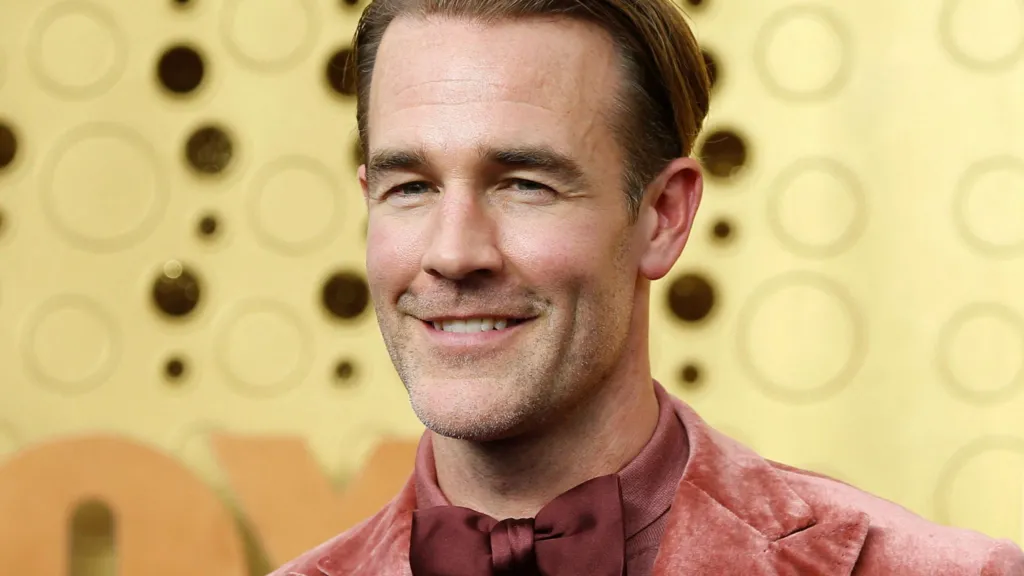
Van Der Beek, who passed away at the age of 48, is survived by his wife Kimberly and their six children, and the crowdfunding effort to support his family has now exceeded its initial target of $2m.
Other notable donors include Oscar-winning actress Zoe Saldana, who contributed $2,500 (£2,108), and director Jon M Chu, who gave $10,000 (£8,432) to the cause.
A statement from the organizers of the fundraiser, Friends of the Van Der Beek family, expressed gratitude to all contributors, stating that their support is deeply appreciated.
The statement highlighted the significance of the donations, saying that the kindness shown by contributors is beyond words.
It also noted that the outpouring of support has been a source of comfort during a difficult time, serving as a reminder of the power of love, community, and the enduring legacy of James Van Der Beek.
Van Der Beek was perhaps best known for his starring role in the popular US teen drama series Dawson's Creek, which aired from 1998 to 2003, although he remained associated with the show until 2023.
Although Van Der Beek and Spielberg never collaborated on a project, the late actor's character in Dawson's Creek was a fan of Spielberg's work, with posters of films like ET and Schindler's List featured in his bedroom.
At a Dawson's Creek cast reunion event last year, Spielberg paid tribute to Van Der Beek by sending a video message.
In the message, Spielberg said, "Dawson, you made it," and jokingly added that he hoped to one day have a room like Dawson's, filled with memorabilia from his films.
Van Der Beek passed away on Wednesday after a battle with bowel cancer.

He had been dealing with the diagnosis since August 2023 and publicly disclosed his condition in November 2024.
The GoFundMe campaign was launched to help the family with medical expenses, which had depleted their funds.
The statement from the organizers concluded by saying that the family is currently taking time to grieve and be together, and thanked everyone for their compassionate and generous support in honoring James Van Der Beek's life.
News
Zimbabwe Shocks Australia with Muzarabani’s Exceptional Performance
Zimbabwe secured a stunning 23-run victory over Australia in the T20 World Cup, with Blessing Muzarabani playing a key role by taking 4-17.
In the current T20 world rankings, Zimbabwe occupies the 12th position.
The Men's T20 World Cup is underway in Group B at Colombo.
Zimbabwe's innings concluded at 169-2 after 20 overs, with Bennett scoring an unbeaten 64 off 56 deliveries, while Green claimed 1-6.
Australia's reply ended at 146 after 19.3 overs, as Renshaw top-scored with 65 off 44 balls, and Muzarabani took 4-17.
The match resulted in a 23-run victory for Zimbabwe.
A standout performance from Blessing Muzarabani, who took 4-17, helped Zimbabwe secure a thrilling 23-run win over Australia in the T20 World Cup.
After being set a target of 170, Australia found themselves in trouble at 29-4, but a 77-run partnership between Matthew Renshaw and Glenn Maxwell for the fifth wicket gave them hope.
With 34 runs needed from the last two overs, Renshaw's dismissal for 65, caught off Muzarabani with eight balls remaining, essentially sealed the game's outcome.
The result has left Group B finely balanced after two matches each, with Australia trailing Zimbabwe and Sri Lanka by two points, ahead of their meeting with Sri Lanka on Monday.
Initially, Zimbabwe's approach to batting first at the R. Premadasa Stadium appeared overly cautious.
Brian Bennett's innings of 64 not out from 56 balls, including seven fours, was played at a strike rate of 114.28, as he anchored the Zimbabwean batting.
In contrast, Tadiwanashe Marumani and Ryan Burl adopted a more aggressive approach, scoring 35 off 21 and 30 balls, respectively.
A late surge from Zimbabwe skipper Sikandar Raza, who scored 25 off 13 balls, including the team's only six on the final ball, provided a boost to their total.
Australia's target seemed achievable, given their total of 182-6 in their previous win against Ireland.
However, the Australian batting line-up was severely dented by the loss of key wickets, including Josh Inglis, Travis Head, Cameron Green, and Tim David, courtesy of Muzarabani and Brad Evans.
A partnership between Renshaw and Maxwell offered some respite, but when Maxwell fell for 31, dragged on to Burl, the pressure mounted on Australia.
Muzarabani's return to bowl the penultimate over proved decisive, as he removed Renshaw, and Zimbabwe subsequently wrapped up the win.
There are calls for the ICC to review the rules regarding 12th men.
For more information, including notifications and social media updates, visit BBC Sport.
A blogger who participates in the FPL is also competing in the T20 World Cup.
News
FA Cup Finalists Outside the Big Six Since 2008
As the FA Cup resumes this weekend, assess your understanding of past finalists that have competed from beyond the Premier League’s top six clubs.
This weekend, the FA Cup resumes with 32 teams remaining in contention for the historic trophy, which has been awarded for 155 years and will be presented to the winner in May.
Historically, the Premier League's top six clubs – Arsenal, Chelsea, Liverpool, Manchester City, Manchester United, and Tottenham – have dominated the FA Cup, claiming 32 titles out of the last 37.
However, in recent years, teams outside of this elite group have experienced some notable victories in the competition.
Since 2008, 10 teams from outside the traditional 'big six' have advanced to the FA Cup final – can you identify all of them?
For more quizzes, visit our Football Quizzes and Sports Quizzes sections, where you can also subscribe to receive the latest quizzes directly on your device.
We have a quiz question tailored to each Premier League team – test your knowledge and see how you score.
Can you recall every team that has won the Women's Champions League?
Which players have made the most appearances in the Premier League – can you name them all?
Explore our Sports Quizzes page for a wide range of challenging and engaging quizzes.
-
 News7 hours ago
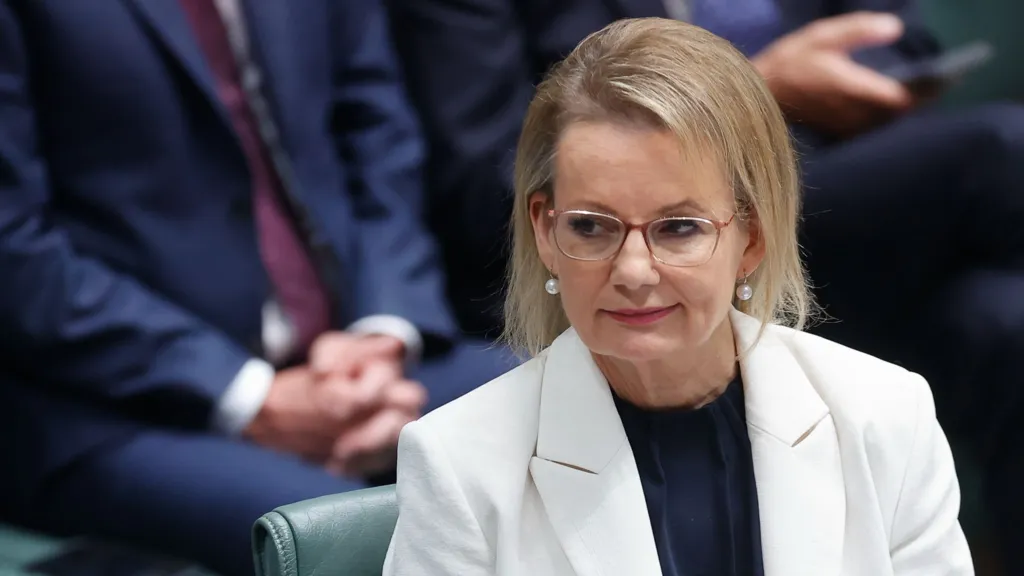
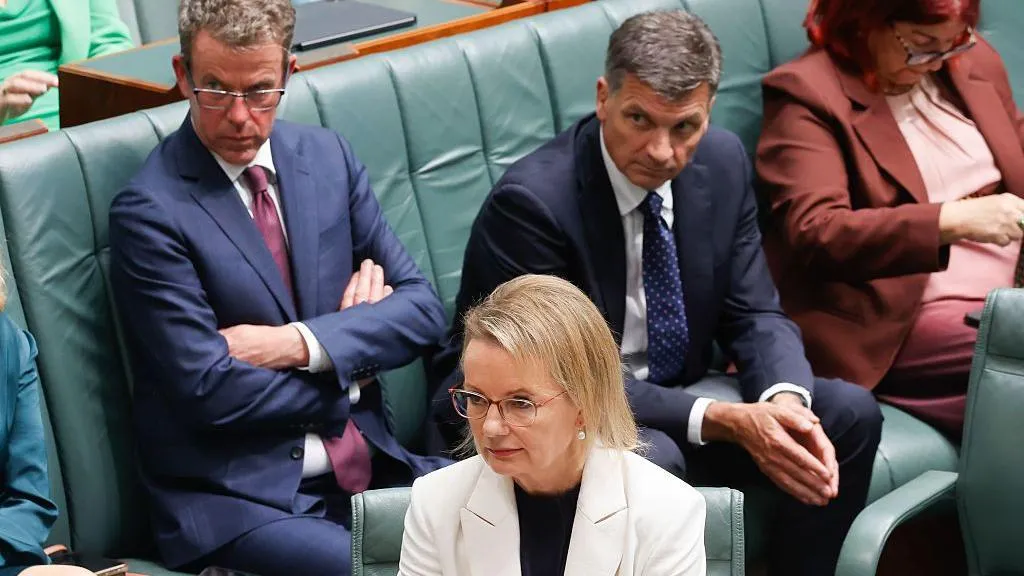
Australian Politics Faces Questions Over Gender Equality Amid Sussan Ley’s Appointment
-
 News4 hours ago
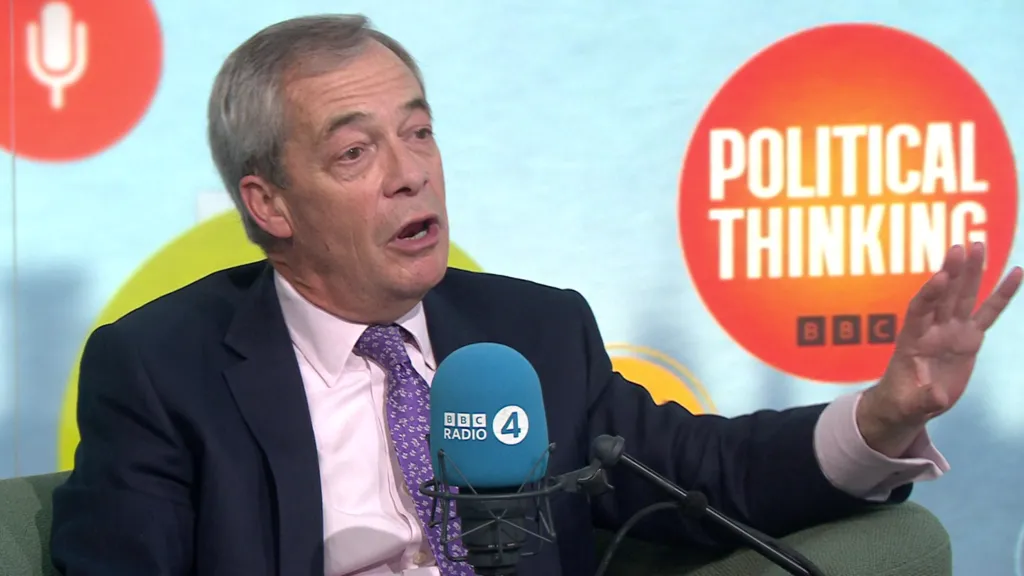
Farage Says Reform to Replace Traditional Tory Party
-
 News4 hours ago
Wrexham Pair Seek Win Against Former Team Ipswich
-
 News9 hours ago
Liberal Party Removes Australia’s First Female Leader
-
 News7 hours ago
UK Braces for Cold Snap with Snow and Ice Alerts Expected
-
 News4 hours ago
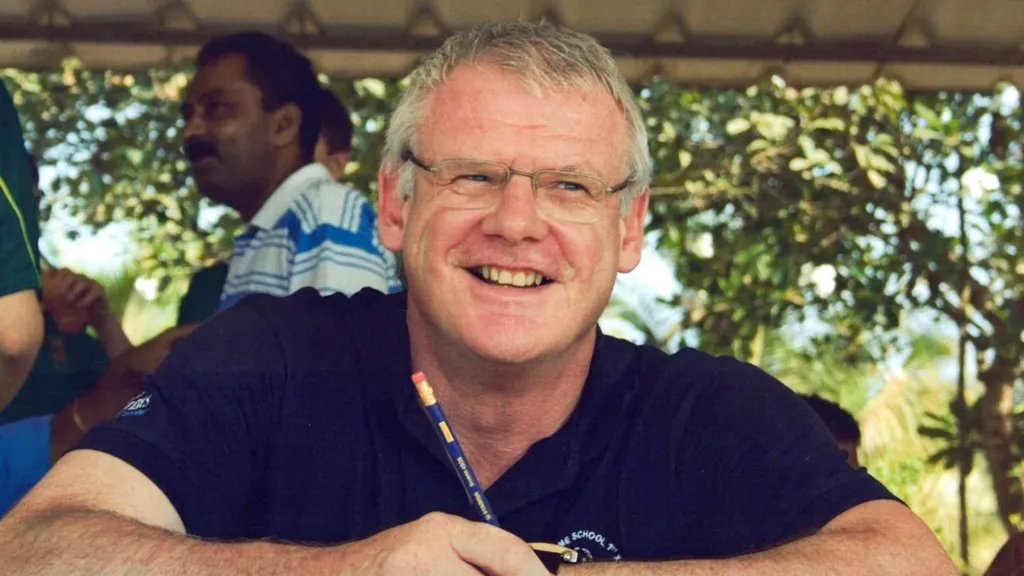
Husband’s alleged £600k theft for sex and antiques blamed on drug side effects
-
 News2 days ago
Sunbed ads spreading harmful misinformation to young people
-
 Business10 hours ago
BBC Reporter Exposed to Cyber Attack Due to Vulnerabilities in AI Coding Tool