
News
Florist Urges Consumers to Rethink Valentine’s Day Rose Purchases
According to Elizabeth Honey of the British Flower Movement, purchasing flowers that are grown locally is recommended.
This Valentine's Day, a florist is promoting an alternative to the traditional red rose, suggesting that consumers opt for locally sourced blooms instead.

According to Elizabeth Honey of the British Flower Movement in Nottingham, red roses are out of season in the UK and most of the world during this time, highlighting the importance of considering seasonal availability when making flower purchases.
Honey describes red roses as having a significant environmental impact, noting that they have the largest carbon footprint among flowers, and recommends exploring other beautiful British-grown options.
However, John Davidson of the British Florist Association notes that domestic production cannot meet the UK's demand for flowers at this time of year, citing the need for a more diversified supply chain.
Honey points out that the British flower industry is currently dominated by imported flowers, which underscores the need for increased support of local growers.
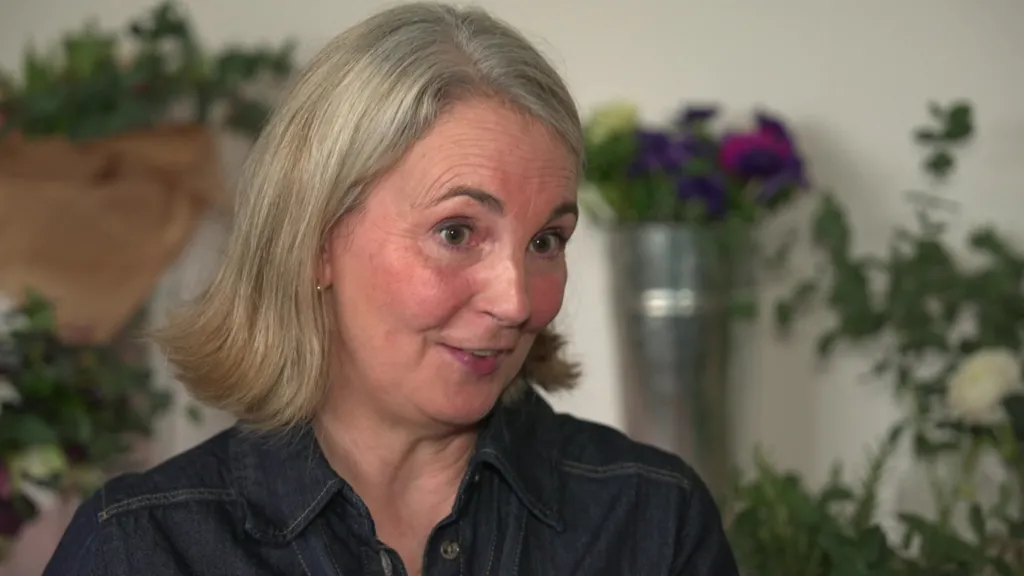
Despite a rise in small, artisanal flower growers in recent years, particularly since the Covid pandemic, Honey acknowledges that these smaller operations cannot compensate for the decline of larger growers.
To revitalize the British flower industry, Honey suggests that supermarkets, which account for a significant share of flower sales, should be encouraged to offer a wider variety of locally grown flowers.
By promoting British-grown flowers, the industry can reduce its environmental impact, as flowers grown in the UK do not incur air miles.
Additionally, Honey emphasizes the environmental benefits of buying locally grown flowers, highlighting the lack of air travel associated with these purchases.
Helen Chambers, a florist and flower wholesaler from Spalding, Lincolnshire, believes that consumers should still be able to purchase roses, provided they are sourced from a reputable supplier.

Chambers' business sells around one million stems annually, with 85% of those being British-grown and 15% imported, demonstrating the potential for a balanced approach to flower sourcing.
Chambers notes that many growers are improving their practices, allowing for a combination of locally grown and imported flowers that prioritize sustainability.
During certain seasons, Chambers aims to source 100% of her flowers from local growers, highlighting the benefits of supporting nearby farms and reducing carbon emissions.
Chambers advocates for a greater focus on domestic flower production, warning that relying heavily on imported flowers can result in a significant carbon footprint.
John Davidson of the British Florist Association, who also serves as the chief financial officer of a major flower wholesaler, recognizes the environmental innovations being implemented by international flower growers.
The British Florist Association supports the growth of UK flower production, but acknowledges that domestic supply alone cannot meet the country's demand during this time of year.
Davidson reiterates that British production is insufficient to meet the UK's flower demand at this time, emphasizing the need for a more nuanced approach to sustainability.
He cautions against oversimplifying the complex global flower supply chain, noting that a blanket criticism of imported flowers may not be entirely accurate.
In some cases, flowers grown in warmer climates or using advanced sustainable technologies can be more energy-efficient than those grown in heated UK glasshouses during the winter months.
Davidson believes that consumers should have access to informed choices, and that the industry functions best when local and global supplies are viewed as complementary rather than competing.
News
Tudor’s Potential Impact on Spurs After Appointment
Following Igor Tudor’s agreement to manage Tottenham for the rest of the season, BBC Sport examines the potential approach his team may adopt under his leadership.
Since his dismissal from Juventus in October 2025, Igor Tudor has been without a managerial position.
With Tudor set to take the reins at Tottenham for the remainder of the season, fans are wondering what to expect from his team's performances.
Tudor's inaugural match as interim head coach will be a high-stakes encounter, as Tottenham hosts Arsenal in the Premier League on 22 February.
The 47-year-old manager will have limited time to implement his tactics, with the players returning to training on Monday, and they may be in for a surprise.
According to George Boxall, a football journalist who covered Tudor's tenure in Marseille from 2022 to 2023, "his approach is characterized by intensity."
Boxall notes that Tudor's teams are known for their tireless work rate, saying, "the players cover a lot of ground, and there's a strong emphasis on pressing."
Boxall believes that Tudor's personality could be a good fit for Tottenham, stating, "he's a strong character who could bring a much-needed spark to the team."
Following his departure from Juventus in October 2025, Tudor is now poised to begin his first managerial stint in England, having previously managed clubs in Italy, France, Turkey, Croatia, and Greece.
Tudor's primary objective is to alleviate Tottenham's relegation concerns, which were exacerbated by a 2-1 loss to Newcastle in Thomas Frank's final match, leaving them just five points above the bottom three.
As a former defender who earned 55 caps for Croatia and made over 150 appearances for Juventus, Tudor has a clear expectation for his players: a high level of physical exertion.
L'Equipe journalist Pierre-Etienne Minonzio recalls Tudor saying in an interview, "if you don't run, you don't play," highlighting the manager's emphasis on work rate.
During his time in Marseille, Tudor consistently employed a 3-5-2 formation, which was entertaining to watch, according to Minonzio.
However, this approach sometimes led to difficulties, as evidenced by the limited playing time given to skilled but less industrious players like Dimitri Payet.
Minonzio jokingly notes that even a player of Lionel Messi's caliber would struggle to earn a starting spot under Tudor if he didn't meet the manager's fitness expectations.
Tudor's sole season in charge of Marseille saw the team finish third in Ligue 1, surpassing their points total from the previous campaign, despite ultimately falling short of the top two spots.
Minonzio praises Tudor's direct and uncompromising approach, saying, "he doesn't try to be liked, and he's very straightforward in his communication."
Tudor maintains a professional distance from his players, with a focus on creating an intense training environment that prepares them for the physical demands of matches.
As a player, Tudor won back-to-back Serie A titles with Juventus in the 2001-02 and 2002-03 seasons and started in the 2003 Champions League final, which Juventus lost to AC Milan.
Tudor began his managerial career with Hajduk Split, before going on to manage Galatasaray, Udinese, Marseille, and Lazio, eventually replacing Thiago Motta at Juventus in March 2025.
Initially appointed as interim head coach, Tudor was given the permanent position after leading Juventus to a fourth-placed finish in Serie A and securing Champions League qualification.
Italian football journalist Daniele Verri describes Tudor as an "aggressive manager" who demands a similar level of intensity from his teams.
Verri notes that Tudor's teams are characterized by their pressing, vertical style of play, and strong defensive presence, with an emphasis on playing on the wings.
According to Verri, Juventus appointed Tudor due to his connection to the club as a former player, hoping to instill a more aggressive and vertical style of play.
Tudor's managerial career has yielded one major trophy, the Croatian Cup, which he won with Hajduk Split in 2013.
However, his tenure at Juventus was marked by tension, particularly after the arrival of general manager Damien Commoli, which ultimately led to his dismissal.
Tudor was sacked after just seven months, following an eight-game winless streak, which left Juventus eighth in Serie A and 25th in the Champions League's league phase.
During his time at Juventus, Tudor achieved a win rate of 47.1% in 17 league games, with eight victories.
Verri attributes the tension between Tudor and Commoli to disagreements over transfer market decisions, including the departure of Kolo Muani, which Tudor had opposed.
Tudor's frequent changes to the starting lineup created uncertainty, and his public criticism of the team's performances and transfer dealings ultimately led to his dismissal.
As Verri notes, the team's poor performance and the fans' dissatisfaction with the results contributed to the decision to part ways with Tudor.
According to Verri, Juventus never felt that Tudor was the right person to take the team to the next level.
Analysis by BBC Sport senior football correspondent Sami Mokbel provides insight into Tottenham's decision to appoint Tudor.
The club's primary objective was to find an interim head coach who could see out the remainder of the season.
Within this context, the Spurs hierarchy sought a manager with top-level experience and a commitment to attacking football.
After evaluating their options, Tottenham concluded that Tudor met their key criteria.
Tudor's experience managing top European clubs and handling high-profile players was seen as a major advantage.
His reputation for aggressive, attacking football was particularly appealing to Spurs, given the criticism of their playing style under Thomas Frank.
Tottenham also admired Tudor's ability to improve teams in the short term, as evidenced by his achievements at Lazio and Juventus.
For instance, his Lazio team remained unbeaten in the league for his first two months in charge, while his Juventus side lost only one of their first nine games under his management.
Although Tudor's tenure at Juventus ultimately ended in disappointment, his initial success, including an eight-game unbeaten streak, demonstrates his potential to make a positive impact at Tottenham.
The club has appointed Tudor as an interim manager, with the understanding that a more permanent solution will be sought after the current season.
A similar situation arose with Michael Carrick at Manchester United, where an initial temporary appointment led to an interesting dilemma when the team performed well, raising questions about the manager's long-term prospects.
During his tenure at Hajduk Split from 2013 to 2015, Tudor oversaw 70 matches, achieving an average of 1.63 points per game, and secured the Croatian Cup title in the 2012-13 season.
At PAOK, where he managed from 2015 to 2016, Tudor was in charge for 45 games, earning an average of 1.51 points per match.
His stint at Karabukspor, which lasted from 2016 to 2017, consisted of 21 matches, with an average of 1.29 points per game.
Tudor managed Galatasaray in 2017, leading the team through 34 matches and achieving a 1.79 points per game average.
In 2018, he had a brief spell at Udinese, managing four matches with an average of 1.75 points per game.
Tudor returned to Udinese in 2019 for a second stint, overseeing 21 matches with an average of 1.33 points per game.
His second tenure at Hajduk Split, which began in 2020, saw him manage 18 matches, earning an average of 1.56 points per game.
From 2021 to 2022, Tudor was at the helm of Hellas Verona, managing 36 matches with a 1.47 points per game average.
At Marseille, where he managed from 2022 to 2023, Tudor led the team through 48 matches, achieving an average of 1.83 points per game.
In 2024, he managed Lazio for 11 matches, earning an average of 1.91 points per game.
Tudor's tenure at Juventus in 2025 consisted of 24 matches, with an average of 1.58 points per game.
For the latest updates, analysis, and fan perspectives on Tottenham, please refer to our dedicated section.
If you have any questions about Tottenham, feel free to ask, and we will do our best to provide you with the information you are looking for.
News
Chris Paul, NBA Veteran, Ends Career at Age 40
Chris Paul, a renowned figure in the NBA, has declared his retirement from professional basketball at the age of 40, bringing an end to his 21-year career, shortly after parting ways with the Toronto Raptors.
Over the course of 21 years, Chris Paul's NBA career took him to seven different teams, showcasing his enduring presence in the league.
Following his release from the Toronto Raptors, NBA veteran Chris Paul has confirmed his decision to retire from professional basketball.
At 40 years old, Paul is widely acknowledged as one of the greatest point guards in the sport, with a impressive record that includes 12 NBA All-Star appearances and the 2006 Rookie of the Year award.
As one of only seven players to have played in the NBA for 21 seasons, Paul also contributed to the United States' Olympic gold medal wins in 2008 in Beijing and 2012 in London.
In a statement posted on Instagram, Paul announced, "After 21 years, I've decided to step away from basketball," marking the end of an era in his career.
Paul expressed his feelings about his retirement, saying, "I'm mostly filled with joy and gratitude, and although my time as an NBA player has come to an end, basketball will always be a fundamental part of my life."
Reflecting on his time in the NBA, Paul noted, "I've spent more than half of my life playing in the league, which has spanned three decades – a fact that's still hard to put into words."
Throughout his 1,370-game career, which began with the New Orleans Hornets in 2005 and concluded with a second stint at the Los Angeles Clippers, Paul averaged 16.8 points, 9.2 assists, 4.4 rebounds, and two steals per game, earning him the nickname 'Point God'.
In addition to playing for the Hornets, Clippers, and Raptors, Paul's career also included time with the Houston Rockets, Oklahoma City Thunder, Phoenix Suns, and Golden State Warriors, although he never secured an NBA championship title.
Paul's closest attempt at a championship was in 2021, when the Phoenix Suns reached the NBA finals but ultimately lost to the Milwaukee Bucks.
Upon his retirement, Paul holds the second position in NBA history for both assists, with 12,552, and steals, with 2,728.
Paul had been inactive since December 1, and his retirement follows a trade from the Los Angeles Clippers to the Toronto Raptors earlier this month.
News
Weston Tops Skeleton Field for Team GB
In the men’s skeleton event, Great Britain’s Matt Weston is currently in the lead after the third run, adopting a strategy that lets the sled take control.
Matt Weston of Team GB is currently in the lead after his third run in the men's skeleton event, where he employed a technique that lets the sled's design and momentum guide his progress.
LIVE UPDATES: Day seven of the Winter Olympics is underway, with ongoing coverage available for those looking to stay informed about the latest developments.
Please note that access to this content is restricted to users based in the United Kingdom.
-
 News17 hours ago
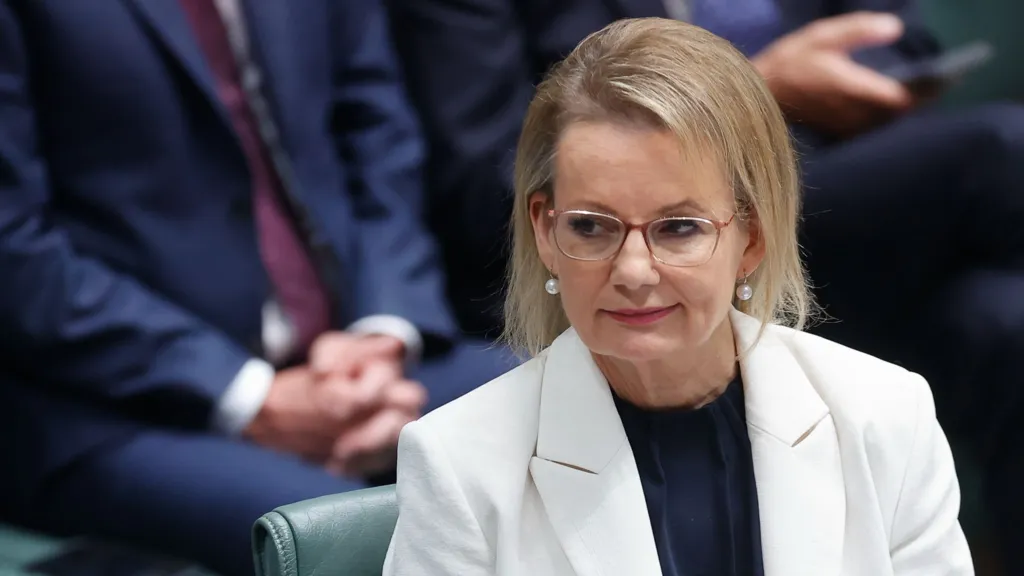
Australian Politics Faces Questions Over Gender Equality Amid Sussan Ley’s Appointment
-
 News14 hours ago
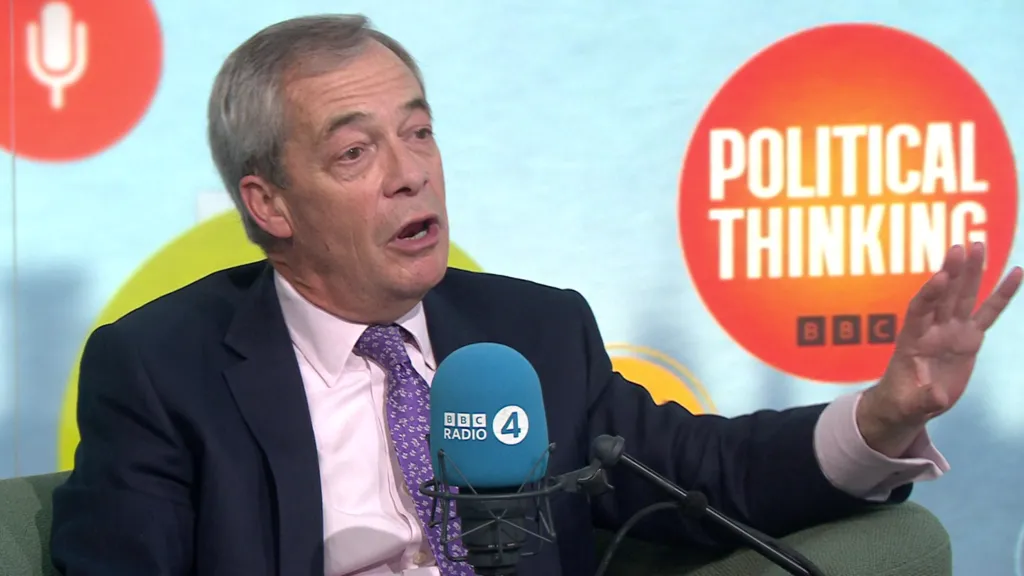
Farage Says Reform to Replace Traditional Tory Party
-
 News14 hours ago
Wrexham Pair Seek Win Against Former Team Ipswich
-
 News20 hours ago
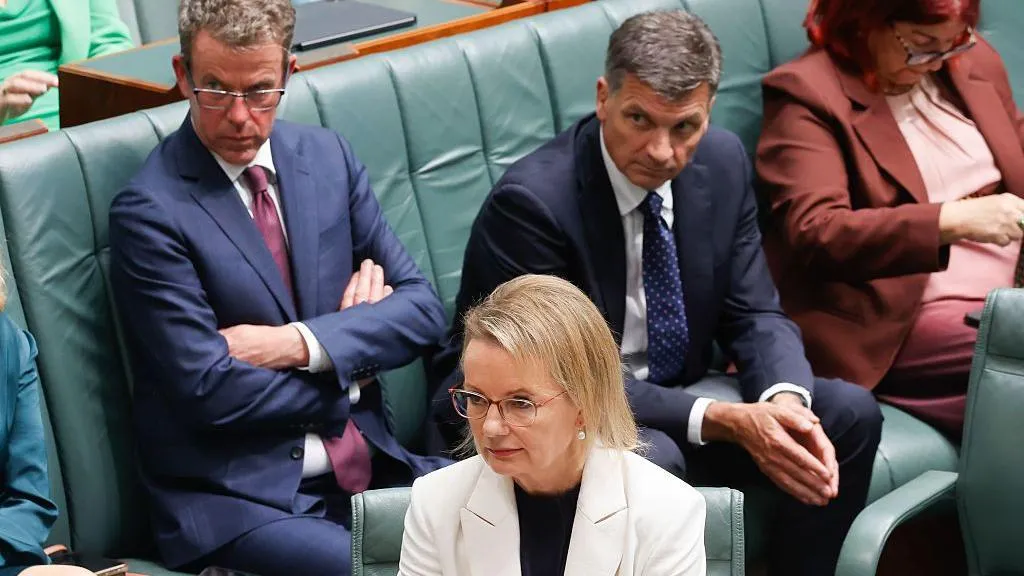
Liberal Party Removes Australia’s First Female Leader
-
 News17 hours ago
UK Braces for Cold Snap with Snow and Ice Alerts Expected
-
 News14 hours ago
Husband’s alleged £600k theft for sex and antiques blamed on drug side effects
-
 News3 days ago
Sunbed ads spreading harmful misinformation to young people
-
 Business20 hours ago
BBC Reporter Exposed to Cyber Attack Due to Vulnerabilities in AI Coding Tool