
Health
Inquests Reveal Widespread Impact of Synthetic Drugs
An investigation by the BBC has found that fatalities linked to nitazene have increased, amid a shift in the illicit drug trade.
Synthetic opioid drugs known as nitazenes have been associated with numerous fatalities in the UK, with experts warning that they can be significantly more potent than heroin.

It has been discovered that some individuals are unknowingly consuming these substances, as they are often mixed with other drugs and sold as cheaper alternatives.
The question remains as to how nitazenes are entering the UK's drug supply chain and whether authorities are taking sufficient measures to combat their spread.
After completing his A-levels, Gus explored various career paths and traveled abroad, eventually deciding to pursue a degree in journalism at a university.
His experiences documenting the effects of climate change while hiking volcanoes in Mexico solidified his decision to apply for the journalism course.
Tragedy struck when Gus's mother, Nicola, found him unresponsive at their home, having accidentally overdosed at the age of 21.
Nicola expressed her profound grief, stating, "I loved him dearly, and his loss is immense. The tragic part is that he seemed to be in a good place in his life."
On the evening of his death, Gus had taken what he believed to be an oxycodone tablet, which he had purchased illicitly, while watching a film and eating a takeaway meal.
However, a post-mortem report received by Nicola three months later revealed that the tablet was actually a type of nitazene.
Despite her background in medicine as a radiographer, Nicola was unfamiliar with these synthetic opioid drugs.
A coroner's investigation later concluded that Gus's death was caused by the substitution of a nitazene for the oxycodone he had intended to take.
Nicola recounted the distressing experience of receiving the post-mortem report, saying, "It was devastating to suddenly learn the cause of my child's death."
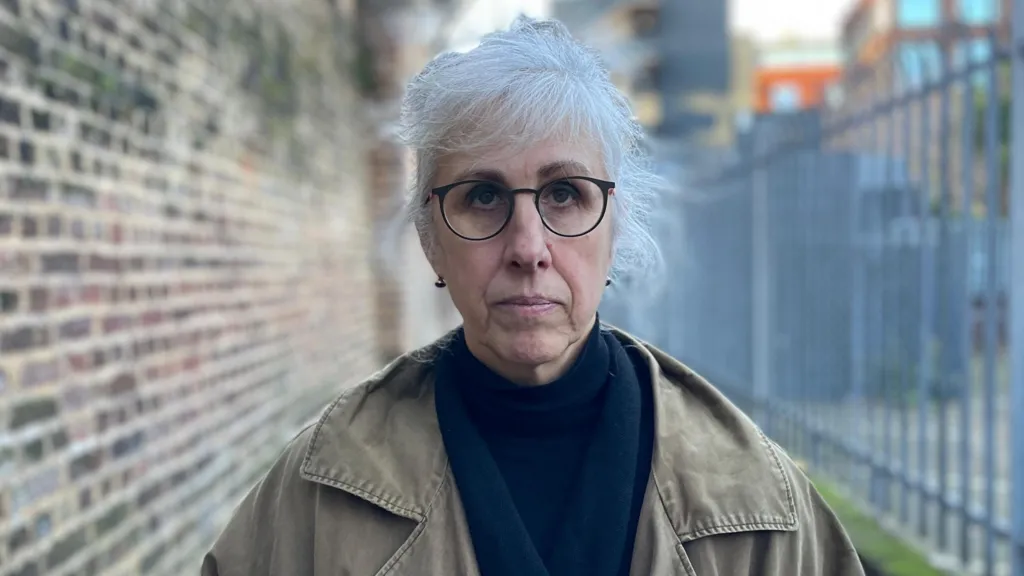
Upon reading the report, Nicola was shocked to discover that the substance responsible for Gus's death was a nitazene, a drug she had never heard of.
Gus is one of hundreds of individuals whose deaths have been linked to nitazenes in the UK since their emergence in 2021.
According to Professor Michel Kazatchkine, a founding member of the Global Commission on Drugs Policy, the UK's nitazene-related death toll surpasses that of other European countries and even Canada.
An analysis of exclusive data from The National Programme on Substance Use Mortality (NPSUM) by the BBC Shared Data Unit has provided insight into the scope of the issue.
The data, comprising voluntary reports from coroners in England, Wales, and Northern Ireland, is not exhaustive due to the time it takes for drug-related deaths to be registered and the fact that not all coroners participate.
By the end of March 2025, the data included 286 inquests involving deaths forensically linked to nitazenes.
Dr. Caroline Copeland, director of NPSUM, noted that the affected individuals often come from marginalized backgrounds.
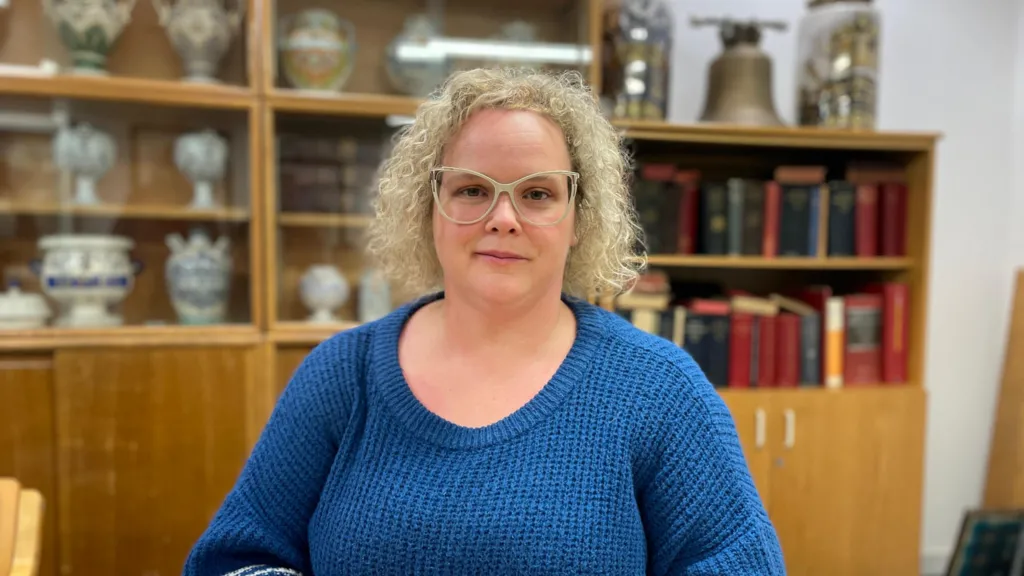
The analysis revealed that over one-fifth of the individuals in the records lacked stable housing, lived in deprived areas with high unemployment and mental health issues.
Further findings include:
Naloxone, a crucial opioid antidote, was found in only one in seven inquest records, highlighting a potential gap in prevention efforts.

In January 2025, a coroner raised concerns about the limited availability of naloxone, citing the case of Joe Black, who died from a nitazene-adulterated heroin overdose.
Joe, a 39-year-old with schizophrenia and substance misuse disorder, was found dead at a hostel in Camden, London.
Neither the hostel nor the mental health NHS Trust treating Joe were permitted to provide naloxone kits to residents or patients who used drugs.
In response, the Department of Health and Social Care initiated a 10-week consultation on proposed legislative changes to expand naloxone access in the UK.
Joe's mother, Jude, remembered her son as a "wonderful, sensitive, caring, intelligent, and talented young man" who deserved to live.
She emphasized that Joe's struggles with illness and addiction made him vulnerable to exploitation and accidental overdose.
Jude criticized the delay in initiating the consultation, stating that it diminished the value of her son's life and the tragedy of his death.
She expressed concern that individuals like Joe remain at risk and continue to die due to the lack of action.
In the West Midlands, the charity Cranstoun is piloting an outreach service to proactively engage with individuals struggling with substance dependence.
Sue McCutcheon, a nurse with over 30 years of experience, is part of the outreach team, providing naloxone and prescribing treatments to those in need.

She emphasized the importance of making naloxone available to those who may not be able to access traditional services.
McCutcheon views providing naloxone as a moral obligation, stating, "If these individuals don't come to our facilities to receive naloxone, where will they obtain it?"
The National Crime Agency (NCA) believes that nitazenes are being smuggled into the UK through postal services, exploiting their potency and small volume.
Although the ban on opium poppy harvesting in Afghanistan has been suggested as a factor, the NCA's Adam Thompson noted that heroin purity has decreased, but there is no evidence of a shortage in the UK.

Thompson attributed the use of nitazenes by organized criminals to greed, as they can purchase potent nitazenes cheaply and mix them with other drugs to increase profits.
The government has pledged to enhance its surveillance and early warning systems to alert the public to emerging drug threats.
According to Thompson, the primary motivation for using nitazenes is financial gain, as they can be used to strengthen the potency of other drugs and generate significant profits.
The government has committed to continuing its efforts to improve surveillance and early warning systems to address the evolving drug landscape.
An examination of inquest records revealed a rising trend of multiple drug use, also known as polydrug use, being implicated in an increasing number of deaths.
Dr Alex Lawson serves as a consultant clinical scientist in toxicology at University Hospitals Birmingham NHS Foundation Trust, bringing expertise to the field.
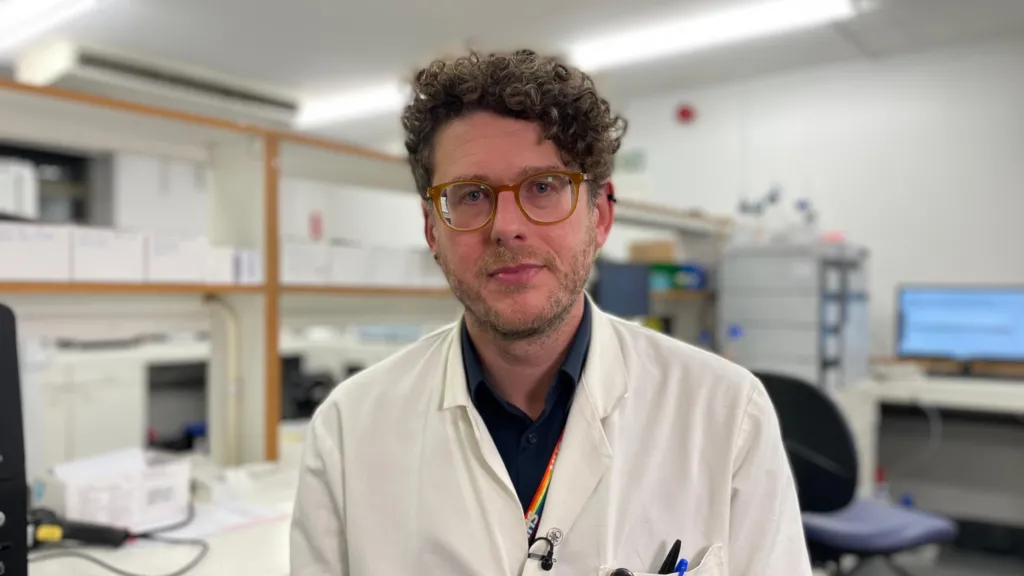
Following a surge in nitazene-related deaths in the city during summer 2023, local agencies shared key lessons to inform contingency plans for potential future outbreaks in other areas.
An analysis of NPSUM records showed that approximately one in seven cases originated from the coroner's area covered by Dr Lawson's team.
The team conducts thorough tests on blood, urine, and other tissues to detect up to 2,500 different types of drugs, although this level of investigation is not uniformly applied across all coroner areas.
According to Dr Lawson, "Progress is being made, but the specific nitazenes being tested for can vary between labs, and not all laboratories can keep pace with the latest nitazenes emerging on the market."
Research co-authored by Copeland, published recently, suggests that nitazene-related deaths may have been underreported by as much as a third.
The study found that these drugs degrade more quickly in post-mortem blood samples than the typical processing time for forensic samples, which may lead to their detection being missed.
The most recent annual report from WEDINOS, the UK's sole national drug-checking service, revealed that over a third of the samples tested contained unexpected substances, while some did not match the intended purchase.
Copeland noted that at the beginning of 2023, nitazenes were primarily found contaminating heroin, but now they are often being used as a complete substitute for other drugs.
Copeland expressed concern about the mis-selling of nitazenes, stating, "The fact that people are unaware of what they're taking means they cannot take necessary precautions, which is a significant concern."
In October 2025, the government launched a new awareness campaign targeting 16 to 24-year-olds and social media users to educate them about the risks associated with drugs, including nitazenes.

The government announced guaranteed funding for council public health schemes over the next three years, allocating £3.4bn for drug and alcohol prevention, treatment, and recovery initiatives.
A government spokesperson declined an interview request but stated that their strategy involves strengthening border security to prevent the entry of "these lethal substances" into the country.
The spokesperson also mentioned that naloxone is now being carried by officers in 32 out of 45 police forces across the UK.
Nicola shared her experience, saying, "You don't want your child to be judged, and there's often a stigma surrounding certain types of deaths, including those related to substances."
Nicola continued, "Initially, I didn't want to disclose anything, but I realized I had to inform my son's friends and others about what happened."
She recalled, "My son had trouble sleeping, and I think he took something to relax, expecting a good night's sleep, but unfortunately, it resulted in his death."
Additional data journalism was provided by Paul Bradshaw.
For more information on this story, please refer to the provided links.
The Shared Data Unit collaborates with news organizations across the media industry, as part of a partnership between the BBC and the News Media Association, to make data journalism accessible.
Further details about the Local News Partnerships can be found on the relevant webpage.
Health
NHS Workers to Receive 3.3% Pay Increase
Labor unions have expressed displeasure, yet the government maintains that its actions showcase a dedication to its workforce.
The government has confirmed that NHS staff in England will receive a 3.3% pay increase in the upcoming financial year.

This pay award applies to approximately 1.4 million health workers, including nurses, midwives, physiotherapists, and porters, but excludes doctors, dentists, and senior management.
Although the Department of Health and Social Care initially proposed a lower figure, it has accepted the recommendation of the independent pay review body to demonstrate its commitment to NHS staff, resulting in a higher pay rise than initially suggested.
However, several health unions have expressed disappointment with the announced pay award.
Prof Nicola Ranger, general secretary of the Royal College of Nursing (RCN), noted that the 3.3% increase falls short of the current consumer price index (CPI) inflation rate of 3.4%, which measures the rise in prices over the past year.
Prof Ranger stated, "A pay award that is lower than the current inflation rate is unacceptable, and unless inflation decreases, the government will be imposing a real pay cut on NHS workers."
She criticized the government's approach, saying, "This strategy of making last-minute decisions is not an appropriate way to treat individuals who are essential to a system in crisis."
Prof Ranger indicated that she would wait to see the pay awards for the rest of the public sector and doctors before deciding on a course of action.
The RCN had previously reacted strongly to the 5.4% pay increase received by resident doctors last year, compared to the 3.6% increase received by nurses, which they described as "grotesque".
Prof Ranger emphasized, "Nursing staff will not accept being treated with disrespect, as has happened in the past when they were given lower pay awards than other groups."
Helga Pile, head of health at Unison, the largest health union, commented, "NHS staff who are already under financial pressure will be outraged by another pay award that fails to keep up with inflation."
"Once again, they are expected to deliver more while their pay effectively decreases, as it falls behind the rising cost of living," she added.
In response, the government argued that the pay award is actually above the forecasted inflation rate for the coming year, which is around 2%.
A spokesperson for the Department of Health and Social Care stated, "This government greatly values the outstanding work of NHS staff and is committed to supporting them."
The pay increase is expected to be implemented by the start of April.
However, the government did not provide a timeline for the announcement on doctors' pay, as the pay review body responsible for making recommendations on their pay has yet to submit its report to ministers.
The government is currently engaged in negotiations with the British Medical Association regarding the pay of resident doctors, previously known as junior doctors.
Members of the BMA recently voted in favor of strike action, granting them a six-month mandate for walkouts, and there have been 14 strikes so far in the ongoing dispute.
Health
NHS Waiting List Hits Three-Year Low
In England, the backlog has fallen below 7.3 million for the first time since 2023, yet worries persist regarding prolonged waiting times in accident and emergency departments.
England's hospital waiting list has reached its lowest point in almost three years, marking a significant milestone in the country's healthcare system.
As of December 2025, the number of patients awaiting treatment, including knee and hip operations, stood at 7.29 million, the lowest figure recorded since February 2023.
However, the latest monthly update from NHS England reveals that long wait times persist in Accident and Emergency departments, with a record number of patients experiencing 12-hour trolley waits.
In January 2026, over 71,500 patients spent more than 12 hours waiting for a hospital bed after being assessed by A&E staff, the highest number tracked since 2010.
This translates to nearly one in five patients admitted after visiting A&E waiting for an extended period.
According to Health Secretary Wes Streeting, while progress has been made, significant challenges still need to be addressed.
Streeting acknowledged that "there is much more to do" and emphasized the need to accelerate progress, but expressed optimism that the NHS is on the path to recovery.
Dr. Vicky Price, representing the Society for Acute Medicine, noted that hospitals are operating beyond safe capacity in terms of emergency care.
Dr. Price highlighted the vulnerability of patients who require admission, often elderly and frail individuals with complex needs, who are at greater risk of harm when care is delivered in corridors and hospitals exceed safe limits.
Duncan Burton, Chief Nursing Officer for England, commended the progress made in reducing wait times, achieved despite the challenges posed by strikes by resident doctors.
Burton attributed this progress to the hard work and dedication of NHS staff, describing it as a "triumph".
Although the waiting list decreased, performance against the 18-week target slightly declined, with 61.5% of patients waiting less than 18 weeks, compared to 61.8% in November, and still short of the 92% target set to be met by 2029.
Rory Deighton of the NHS Confederation, which represents hospitals, welcomed the progress but cautioned that it obscures significant regional variations.
A recent BBC report revealed that nearly a quarter of hospital trusts experienced worsening wait times over the past year.
Deighton emphasized that the NHS is composed of numerous separate organizations, each with unique financial and operational challenges, making it more difficult to address care backlogs in some areas.
According to Deighton, this means that tackling care backlogs will be more challenging in certain parts of the country due to these distinct regional challenges.
Health
Bowel Cancer: Steps to Determine If You Are At Risk
Bowel cancer symptoms and causes can be identified, and there are steps that can be taken to lower the likelihood of developing the disease.
James Van Der Beek, a notable actor from the TV series Dawson's Creek, has passed away at 48 due to complications from bowel cancer.

To better understand this disease, it's essential to examine its primary symptoms and causes, as well as the measures that can be taken to minimize the risk of developing it.
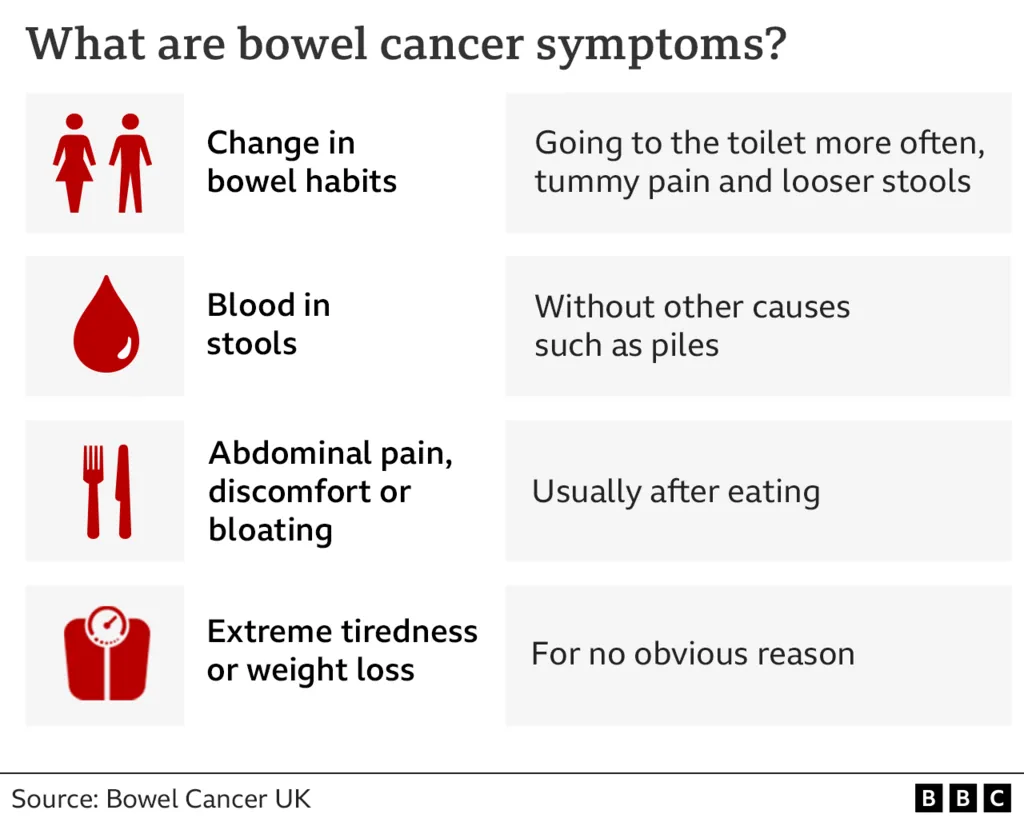
There are several key indicators to be aware of when it comes to bowel cancer, including three primary symptoms.
Additionally, other potential symptoms may arise, such as changes in bowel movements or abdominal pain.
It's crucial to note that experiencing these symptoms does not necessarily mean an individual has bowel cancer, as they can be associated with other conditions.
However, the NHS advises individuals to consult their GP if they notice any unusual symptoms persisting for three weeks or more, or if they have a general feeling of unease.
In some cases, bowel cancer can cause a blockage in the digestive system, leading to severe abdominal pain, constipation, and nausea.
If such symptoms occur, it is vital to seek immediate medical attention from a GP or visit the nearest A&E department.
Individuals should also be vigilant for signs of blood in their stool or rectal bleeding when using the bathroom.

The presence of bright red blood may be attributed to hemorrhoids, but it can also be a symptom of bowel cancer.
Dark red or black blood in stool can be a cause for concern, as it may originate from the bowel or stomach.
Changes in bowel habits, such as looser stools, increased frequency, or a feeling of incomplete evacuation, can also be indicative of bowel cancer.
Bowel Cancer UK recommends maintaining a symptom diary to discuss with a GP, which can help track any changes or concerns.
Individuals should not hesitate to consult their doctor, as medical professionals are accustomed to addressing a wide range of bowel-related issues.
While the exact cause of bowel cancer is unknown, certain factors can increase the likelihood of developing the disease.
Although bowel cancer is not typically hereditary, individuals with a family history of the disease, particularly those with close relatives diagnosed before the age of 50, should inform their GP.
Certain genetic conditions, such as Lynch syndrome, can significantly increase the risk of developing bowel cancer; however, doctors can work with patients to mitigate this risk and ensure early detection.
According to scientists, more than half of all bowel cancer cases could be prevented by adopting a healthier lifestyle.
It is essential to consult a GP with any concerning symptoms and to participate in cancer screening programs when available.
The NHS bowel cancer screening program aims to detect the disease at an early stage, targeting specific age groups across the UK.
However, the screening program is not universally available, as it is primarily offered to age groups with the highest risk, and the test is not 100% accurate, which can lead to unnecessary treatment.
In England, Scotland, and Wales, bowel cancer screening begins at age 50.
In Northern Ireland, screening is available for individuals over 60.
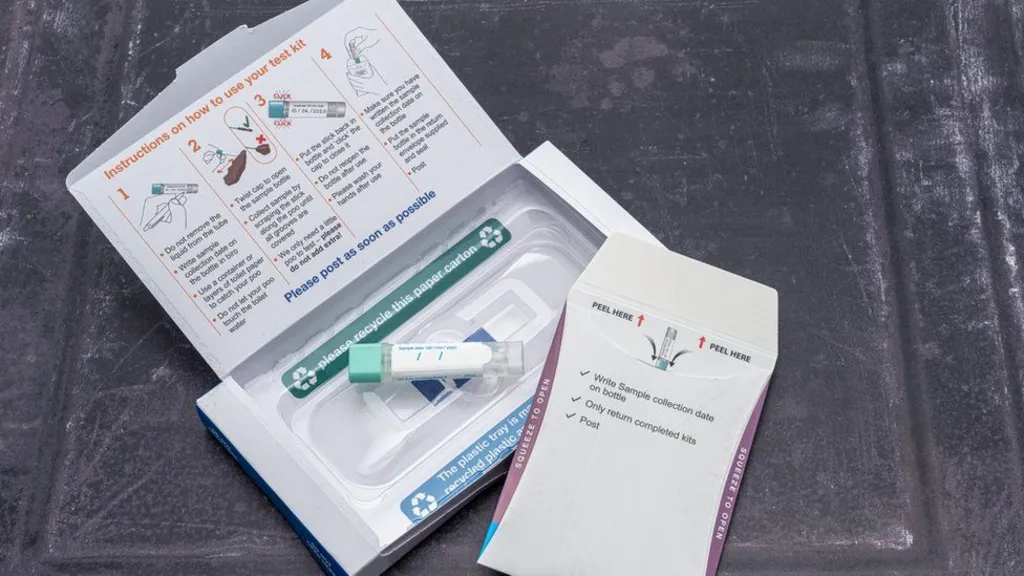
Participants in the screening program will receive a home test kit to collect a stool sample, which is then analyzed for any abnormalities.
Following the analysis, individuals will either receive a clean bill of health or be contacted by their local hospital for further testing.
Additional tests may include a colonoscopy, which examines the entire bowel, or a flexible sigmoidoscopy, which focuses on a specific section.
For individuals under the screening age with symptoms, it is recommended to consult a GP rather than purchasing a self-test kit, as the results can be misleading.
Advances in genetic testing are enabling more personalized treatment approaches, allowing care to be tailored to each individual's unique circumstances.
Although this approach requires further refinement, it has the potential to significantly improve life expectancy for those with cancer.
Regardless of the stage at which the cancer is detected, patients will be informed about the available treatment options.
Treatment may involve surgery, chemotherapy, radiotherapy, or a combination of these, depending on the individual's specific cancer.
Bowel Cancer UK provides guidance on questions to ask during appointments with specialists.
Bowel cancer is curable, particularly when diagnosed at an early stage.
More than 90% of individuals diagnosed with bowel cancer at the earliest stage will survive for five years or more, compared to 44% when diagnosed at a later stage.
Over the past 40 years, the chances of survival in the UK have more than doubled, with over half of patients now surviving for 10 years or more, compared to one in five in the 1970s.
Similar to other types of cancer, individuals between the ages of 15 and 40 tend to have higher survival rates, as cancer is more common and deadly in older populations.
However, overall survival rates for bowel cancer in the UK still lag behind those in other European countries.
-
 News5 hours ago
Australian Politics Faces Questions Over Gender Equality Amid Sussan Ley’s Appointment
-
 News3 hours ago
Farage Says Reform to Replace Traditional Tory Party
-
 News3 hours ago
Wrexham Pair Seek Win Against Former Team Ipswich
-
 News8 hours ago
Liberal Party Removes Australia’s First Female Leader
-
 News6 hours ago
UK Braces for Cold Snap with Snow and Ice Alerts Expected
-
 News3 hours ago
Husband’s alleged £600k theft for sex and antiques blamed on drug side effects
-
 News2 days ago
Sunbed ads spreading harmful misinformation to young people
-
 News14 hours ago
Ukraine Athletes Show Support for Barred Competitor with On-Field Gesture