
News
NHS Trust Faces Scrutiny After Two Baby Deaths
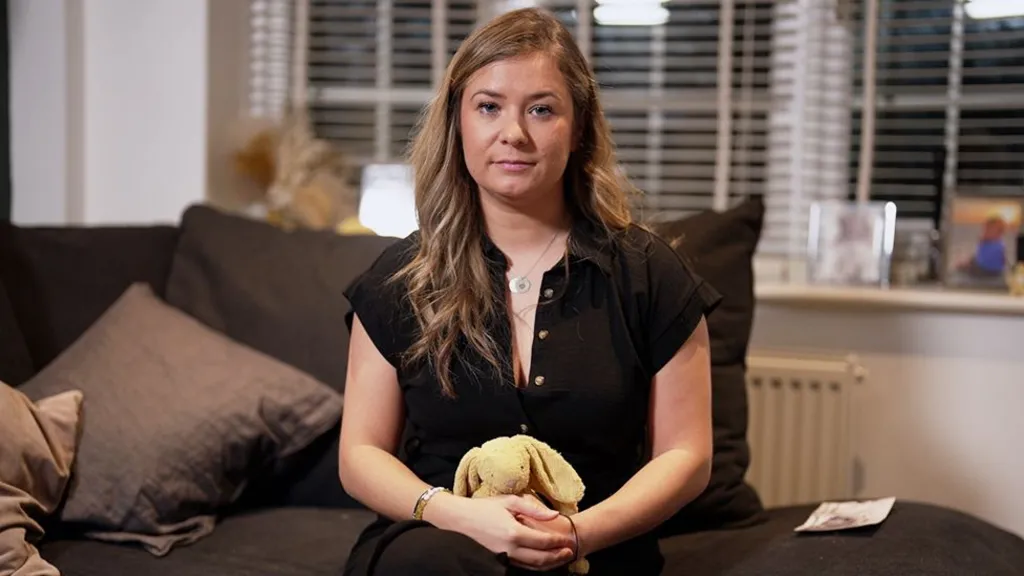
Two women, Beth and Sophie, experienced the loss of their babies while receiving care from the UH Sussex NHS Trust.
In 2022, a group of approximately 10 expectant couples attended antenatal classes at a Sussex golf club, united by their impending parenthood. Among them were Beth Cooper, Sophie Hartley, and their partners, Tom and Joe, who would later experience a tragic turn of events.
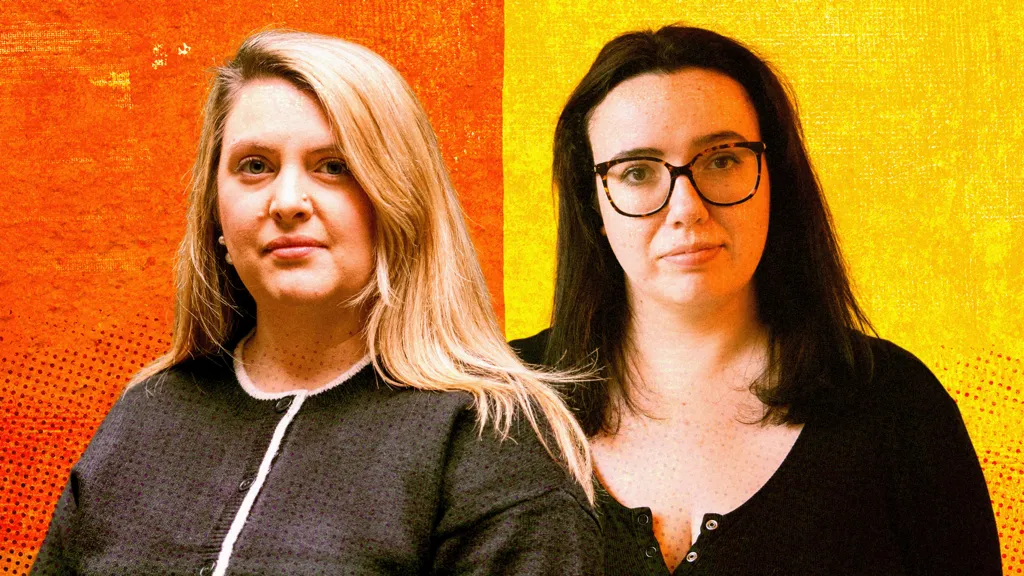
Beth Cooper, Sophie Hartley, and their partners shared a common bond, as both women were carrying sons and had chosen the name Felix. However, their initial excitement would soon give way to devastating loss.
Within a short period, the couples' anticipation turned to grief as they both suffered the loss of their babies while under the care of the University Hospitals Sussex NHS Foundation Trust.
A collaborative investigation by BBC News and the New Statesman into the trust's maternity care has uncovered the stories of these families.
In June of the previous year, Health Secretary Wes Streeting announced an independent investigation into the trust's maternity services, initially focusing on nine cases since the trust's establishment in 2021. It has now been expanded to include 15 families, including the parents of the two babies named Felix.
The investigation has also identified at least eight additional families, not part of the initial inquiry, who have raised significant concerns about the trust's maternity care.
Key findings from the investigation include:
According to Katie Fowler, who lost her daughter Abigail in 2022 due to substandard care and now helps coordinate the Truth for Our Babies support group, "the trust often convinces families that nothing could have been done differently."
Fowler believes that some parents may be unaware that their child's outcome could have been improved with proper care.
An analysis of clinical negligence payments reveals that the trust paid out £103.8m for maternity errors between 2021 and 2025, including £34.3m in 2024/25, the highest amount in England for that year.
For comparison, the Nottingham University Hospitals Trust, which is currently at the center of the NHS's largest maternity inquiry, paid out half the total amount during the same period.
In a statement, the University Hospitals Sussex NHS Foundation Trust claimed that its mortality rates for the past three years were significantly lower than national averages, attributing the higher number of negligence claims to its larger size. The trust stated that its goal is to provide the safest possible maternity care.
Both babies named Felix were born at the Princess Royal Hospital in Haywards Heath, one of the four hospitals operated by the trust.
In the week leading up to her delivery, Beth Cooper visited the hospital three consecutive days, reporting reduced fetal movement each time. Despite her own health concerns, including vomiting and headaches, she was assured that her baby was fine and sent home.
As a neonatal nursery nurse familiar with the Princess Royal Hospital, Beth recognized that something was amiss. She was attached to a CTG machine to monitor her baby's heart rate but was repeatedly told to go home.
Beth recalls that hospital staff often dismissed her concerns, attributing them to first-time mother anxiety.
On Christmas Eve, Beth returned to the hospital for the fourth time, unable to feel any movement. This time, staff were unable to detect her baby's heartbeat, and she was informed that Felix had died.
The experience was traumatic for Beth, who described it as "absolutely horrendous."
Despite initial advice to wait, Beth insisted on delivering her stillborn son via C-section the following day.
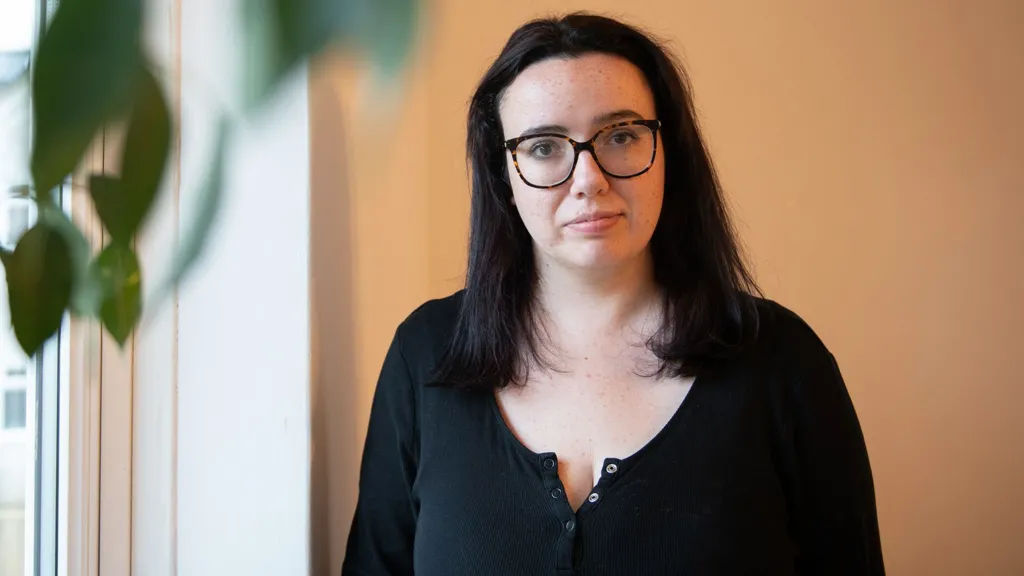
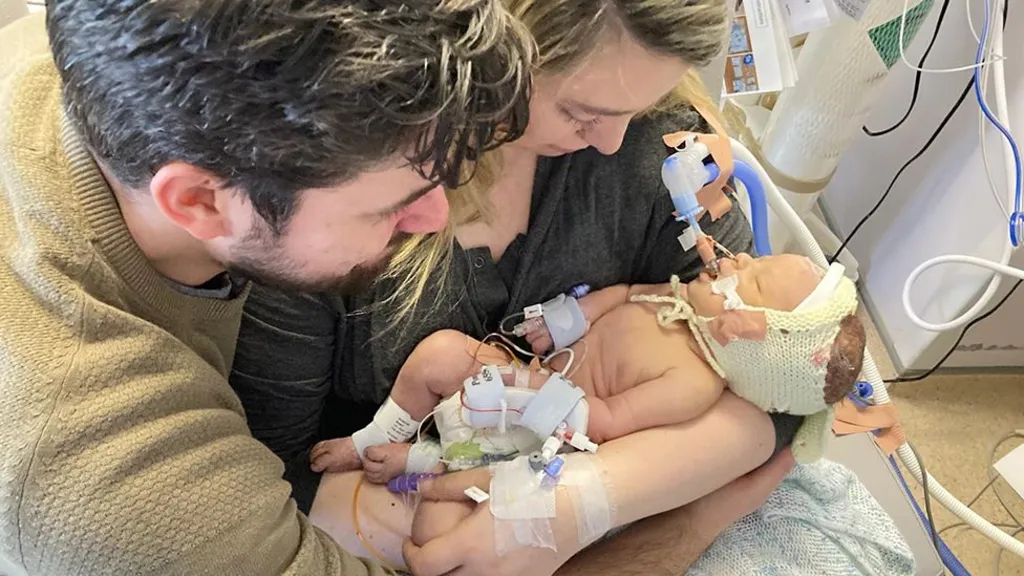
The group of couples from the antenatal classes had formed a WhatsApp group, and Beth shared the news of Felix's death with the others.
Sophie Hartley, another member of the group, was deeply affected by the news and recalled feeling overwhelmed by the photo of Beth and Tom holding their baby's hand.
In February 2023, Sophie, almost 42 weeks pregnant, experienced a dark substance discharge, which she believed was meconium. She contacted the Princess Royal Hospital multiple times before receiving a response.
After finally getting through, Sophie was invited to the hospital, where a midwife performed a well-being check but did not monitor her baby's heart rate. She was then sent home.
By 02:30 the next morning, Sophie had gone into labor and was struggling to cope with the contractions.
When she called the hospital again, a midwife advised her to stay home as long as possible, despite her concerns.
After dozing off and waking up to find her baby was not moving, Sophie immediately contacted the hospital and decided to go in.
Following several delays, hospital staff attempted to find Felix's heartbeat but were unsuccessful. Sophie was given a general anesthetic, and an emergency C-section was performed. Tragically, Felix was not breathing, and resuscitation efforts were unsuccessful.
An inquest into Felix's death found that he had been without a heartbeat for approximately 20 minutes before birth and had contracted an infection that would have impacted his ability to survive without oxygen.
The Healthcare Safety Investigation Branch (HSIB) conducted an independent investigation into the maternity care provided to Sophie.
The investigation uncovered several issues, including the failure of an obstetrician to review Sophie during her pregnancy and critical mistakes in the hours leading up to Felix's birth that could have potentially saved him.
Sophie recalled being told that there was no hope for her son, who had been without oxygen for too long.
The experience was devastating for Sophie, who had just awoken from the operation to be told that her life was being torn apart.
The trust has since introduced a new telephone triage service, staffed by experienced midwives, to improve decision-making on when to bring women into the hospital.
Beth Cooper continues to seek answers about her son's death, three years on. Like several other families, she was discouraged from having a post-mortem, leaving the cause of Felix's death unknown.
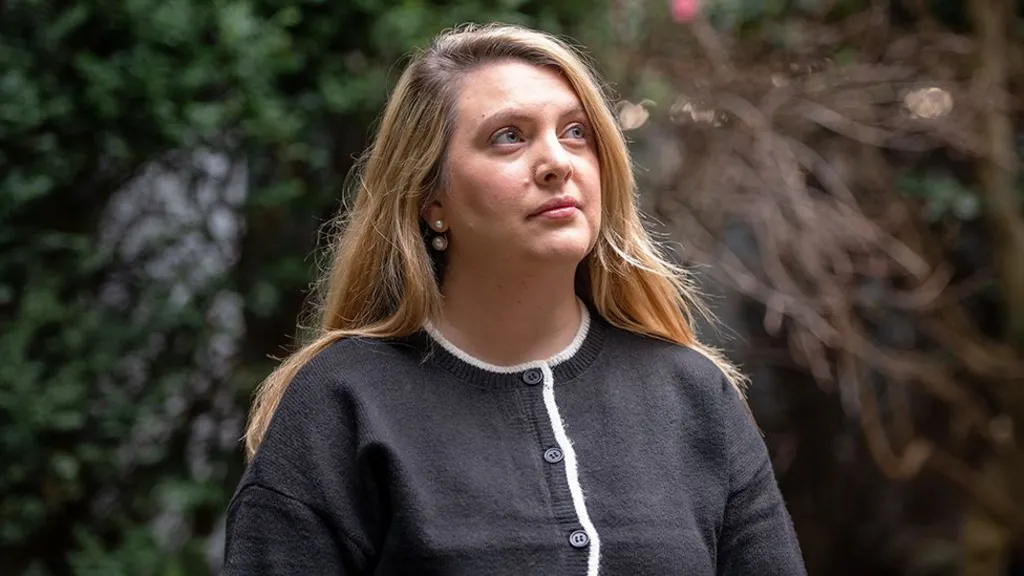
An internal trust review identified some care issues but concluded that they would not have changed the outcome for the baby. Beth hopes that the upcoming investigation will challenge this conclusion.
A Freedom of Information request by Truth for Our Babies revealed that the trust conducted 227 internal hospital reviews into maternity deaths between 2019 and 2023.
At least 55 cases were graded C or D, indicating that different care may or would have likely made a difference to the outcome.
These reviews likely included nine antenatal stillbirths that occurred between July 2021 and February 2022 at Worthing Hospital, also operated by the trust.
A 2022 review of these deaths, obtained through a Freedom of Information request, found "missed opportunities" in all cases.
The review's timeline suggests that it would have included the case of Chloe Vowels-Lovett, whose baby, Esme, was stillborn at 38 weeks' gestation in February 2022.
In the weeks leading up to her delivery, Chloe visited Worthing Hospital multiple times, reporting severe pain and a significant decrease in her baby's movement to the medical staff.
Chloe recalls her experiences, stating, "I took every opportunity to express my concerns and advocate for myself, requesting induction, but my pleas were not taken seriously, with the trust later acknowledging shortcomings in Esme's care.
A recurring issue among the 15 families that comprise Truth for Our Babies is the perceived disregard for maternal concerns by UH Sussex, both during pregnancy and labour.
These families also believe that there was a hesitation to perform C-sections, a concern that some maternity safety advocates attribute to an overemphasis on achieving "normal births," which involve vaginal deliveries without medical intervention.
An investigation by BBC News and the New Statesman has uncovered evidence that, prior to the trust's establishment in 2021, its predecessor organizations, Western Sussex Hospitals and Brighton and Sussex University Hospitals, promoted a policy emphasizing "normal births," a stance also adopted by much of the NHS.
Documents from February 2018 show that Western Sussex NHS Trust directors identified "increasing normal birth" as a key area of focus at the time.
In 2019, the HSIB issued a "Letter of Concern" to Brighton and Sussex University Hospitals, warning about the potential consequences of prioritizing "normality" in births.
According to UH Sussex, the trust has consistently supported mothers' requests for C-sections and boasts a higher caesarean rate than the national average.
The scope and leadership of the government's review into Sussex maternity care, announced by the health secretary, have yet to be determined, with the affected families pushing for senior midwife Donna Ockenden to lead the review, despite opposition from Wes Streeting.
A Department of Health and Social Care spokesperson stated that they are working closely with the families in Sussex to appoint a chair and define the terms of reference for this critical review.
In response to the investigation, UH Sussex Chief Executive Dr. Andy Heeps addressed the families who suffered the loss of a child.
Dr. Heeps acknowledged, "We have not always provided the standard of care that we strive for, and for that, I am truly sorry for the pain and distress caused to these families as the chief executive, I take full responsibility."
The trust has since achieved full recruitment, hiring an additional 40 midwives to bolster its staff.
According to Dr. Heeps, while the trust recognizes that there is always room for improvement, he hopes that the ongoing maternity investigation will provide the affected families with the answers they seek and drive further enhancements to the trust's services.


News
GB men’s curling team suffers upset defeat to Italy
At the 2026 Winter Olympics, Great Britain’s men’s curling team mounted a comeback against Italy following a disappointing beginning, ultimately falling short in their inaugural match.
Despite a valiant comeback, Team GB ultimately fell short as Italy held their composure to secure the win in the final end.
A dismal start to the match proved costly for Team GB's men, as they suffered their first defeat of the Winter Olympics at the hands of host nation Italy, despite a spirited fightback in the packed Cortina Curling Stadium.
Following victories in their first two matches, including a win over the Swedish rink that beat them in the gold-medal match four years ago, Team GB entered their second high-profile encounter in as many days in a confident position.
However, a disastrous opening end, in which Italy stole four points, left Team GB trailing and facing an uphill battle in front of a boisterous home crowd.
The British team, currently ranked number one in the world, gradually regained their footing and managed to level the score by the ninth end.
Ultimately, Italy maintained their composure in the final end to emerge victorious, winning 9-7 and adding Team GB to their list of scalps, which already included the Swedes.
"We had to dig deep and play some solid curling, but unfortunately, it wasn't enough to get us over the line," Team GB lead Hammy McMillan said in an interview with BBC Sport.
With seven wins from nine round-robin matches guaranteeing a spot in the semi-finals, Team GB remains in a strong position, although fewer wins may still be sufficient to advance.
The women's team is set to take to the ice next, facing South Korea in their second match at 13:05 GMT, while the men will return to action on Saturday against the Czech Republic at the same time.
Team GB is at the forefront of curling's technological advancements.
Embracing what sets you apart can be a powerful asset, according to some athletes.
A daily guide to the Winter Olympics is available for those looking to stay up-to-date with the action.
The looks of shock on the faces of Team GB's curlers told the story of a disastrous opening end.
With a stone in play, Mouat attempted a risky shot in an effort to claim two points, but it backfired, resulting in none of Team GB's stones in the house and four Italian stones in position.
However, the Scottish quartet, ranked number one in the world, quickly regained their composure and got back to their game.
The teams exchanged singles before a impressive final throw by Mouat, aided by a measurement to determine which stone was closest to the button, allowed Team GB to claim two points and narrow the gap to 5-3.
Another excellent team effort, which included a well-judged throw by Mouat, a solid sweep by Hammy McMillan and Bobby Lammie, and Grant Hardie's strategic expertise, forced Italy to concede a point in the fourth end, reducing the deficit to a single point at the break.
Italy blanked the sixth end and added two points in the seventh to rebuild their lead, but Team GB fought back with two points of their own, remarkably levelling the score with one end remaining after a steal.
The match came down to the final end, but Italy held their nerve to secure the win, prompting a deafening roar from the crowd.
"It's an incredible experience, and we need to get used to it," McMillan added, describing the electric atmosphere as "surreal" and "cool," more akin to a football match than a typical curling crowd.
News
Scotland Kicks Off Nations League Against Slovenia
Uefa has released the schedule for the Nations League, with Scotland set to begin their campaign on 26 September with an away match against Slovenia.
Uefa has released the schedule for the Nations League, with Scotland's campaign set to begin on 26 September with an away match against Slovenia.
The team's six group stage games will be played within a three-month period, culminating in a match against Switzerland on 16 November.
The fixture list was announced following Thursday's draw, which placed Scotland in a group with Switzerland, Slovenia, and North Macedonia.
Having been relegated from League A after a play-off loss to Greece last year, Scotland will compete in the second tier of the Nations League this year.
In response to the draw, head coach Steve Clarke noted that the teams in the group appear to be evenly matched.
Clarke reflected on the team's past experience in the competition, stating that it has been beneficial for Scotland.
He emphasized the importance of the Nations League, citing its role in helping the team qualify for Euro 2020, and anticipated a challenging set of matches.
A key matchup in the Nations League will see Scotland face off against Switzerland.
The group stage will determine the teams' fates, with the winner earning promotion, the runner-up entering a play-off, the third-placed team facing a relegation play-off, and the fourth-placed team being relegated directly.
The upcoming group games will mark a reunion for Scotland and Switzerland, who previously drew 1-1 in Cologne at Euro 2024.
Scotland's last encounter with Slovenia was during the 2018 World Cup qualification campaign, when they won 1-0 at home and drew 2-2 away.
The team has not played North Macedonia since the 2014 World Cup qualifiers, when they drew 1-1 at home and won 2-1 away, with goals from Ikechi Anya and Shaun Maloney.
The schedule for Scotland's Nations League campaign begins on 26 September with a match against Slovenia.
The team will then host Switzerland on 29 September, followed by a trip to face North Macedonia on 3 October.
Scotland will then play Slovenia at home on 6 October, before hosting North Macedonia on 11 November.
The final group stage match will see Scotland travel to face Switzerland on 16 November.
The team's home match against North Macedonia is set for 11 November.
The campaign will conclude with an away match against Switzerland on 16 November.
News
Golfer McIlroy Sinks Bunker Shot at Pebble Beach Pro-Am
At the AT&T Pebble Beach Pro-Am in California, Rory McIlroy achieved an eagle on the 14th hole at Spyglass Hill, capping off his opening round with a score of 68.
During the AT&T Pebble Beach Pro-Am in California, Rory McIlroy achieved an eagle on the 14th hole at Spyglass Hill, contributing to his first-round score of 68.
For further information, Rory McIlroy had a solid opening round, while Hisatsune took the lead.
Access to this content is restricted to users in the United Kingdom.
-
 News8 hours ago
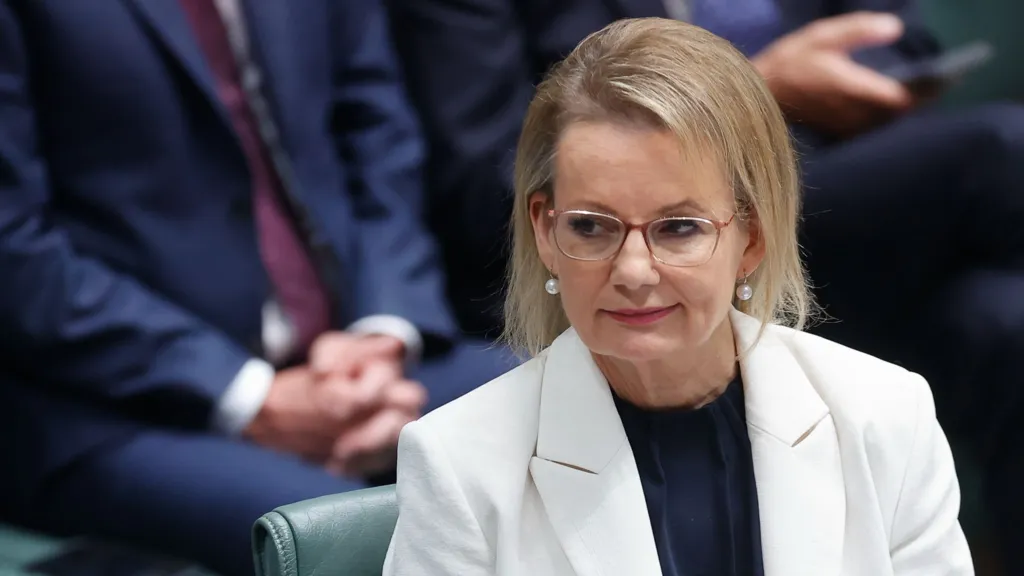
Australian Politics Faces Questions Over Gender Equality Amid Sussan Ley’s Appointment
-
 News5 hours ago
Farage Says Reform to Replace Traditional Tory Party
-
 News5 hours ago
Wrexham Pair Seek Win Against Former Team Ipswich
-
 News11 hours ago
Liberal Party Removes Australia’s First Female Leader
-
 News9 hours ago
UK Braces for Cold Snap with Snow and Ice Alerts Expected
-
 News5 hours ago
Husband’s alleged £600k theft for sex and antiques blamed on drug side effects
-
 News2 days ago
Sunbed ads spreading harmful misinformation to young people
-
 Business11 hours ago
BBC Reporter Exposed to Cyber Attack Due to Vulnerabilities in AI Coding Tool